March 6, 2026
Desperate times
As fuel prices soar due to the Iran-US-Israel conflict, the government implements fuel-saving measures reminiscent of the COVID-19 lockdown. Explore the potential economic impact and international diplomatic efforts.

March 6, 2026

The fuel-saving measures may not go far enough
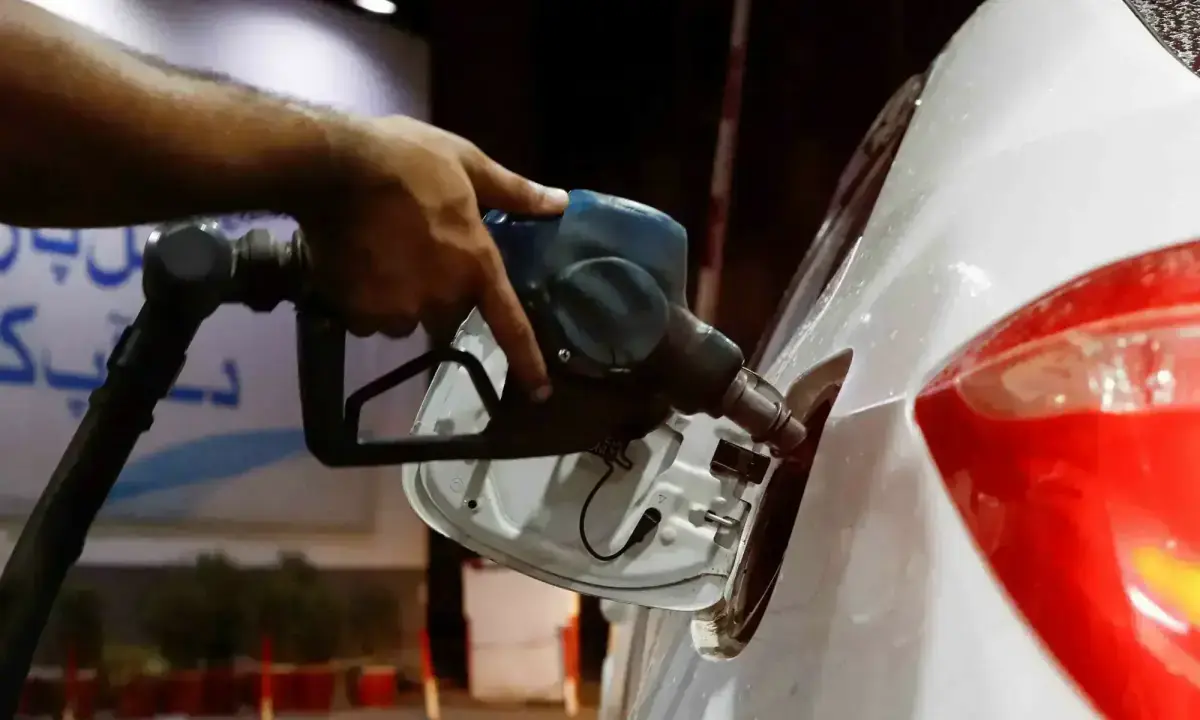
Desperate times call for desperate times, they say, and the government seems to be practising it in the context of the Iran-US-Israel War. The government’s primary problem is how to reduce the use of fuel, which is internationally going through the roof, while petrol pump owners fear that many pumps may be forced to close in coming days because supplies of petrol and diesel have begun to falter. The measures drew heavily on the lockdown for covid-19, when a sharp decline in the consumption of petrol and diesel was reported. No social distancing or area quarantining has been ordered obviously, but online learning has been mandated, as has work-from-home. It has also been decided to reduce the period of fuel price fixation from the current fortnight to a week. The international price hit $86 a barrel, with speculation that $100 was the next stop. The problem is no longer keeping the fragile recovery going, but preventing the economy from taking a huge hit while going into an inflationary spiral from which it had been taken out with great difficulty.
Meanwhile, there seems no way of stopping the conflict, and it was worth noting that Pakistan’s PM Shehbaz Sharif had telephonic calls with Indonesian President Prabowo Subianto and Malaysian Prime Minister Anwar Ibrahim. Apart from briefing them about the conflict with Afghanistan, he also discussed how the Iranian situation was developing. It is worth noting that the span of Pakistani diplomacy is now moving outside the Gulf to the Eastern Islamic countries.Indonesia is friendly enough to the USA to have promised troops for the International Stabilization Force in Gaza, as well as the second-in-command of the ISF. While Malaysia is not that close, it still enjoys good relations with the USA, and is an active member of ASEAN, the regional grouping that succeeded the US-led SEATO Cold War alliance.
Failing actively defending Iran, Muslim countries have to use their good offices with the USA to explain that it cannot expect to join hands with Israel to attack Iran. The USA probably over-estimates the sectarian division within Islam, and is badly wrong if it assumes that Sunnis regard the attack on Iran with any kind of equanimity just because Iran is majority Shia.However, so long as the USA feels it must blindly follow the wishes of the Israeli government, it will probably not try to extricate itself from this misadventure.
The Editorial Department of Pakistan Today can be contacted at: [email protected].
View all articles →0 Comments
No comments yet. Be the first to join the discussion!