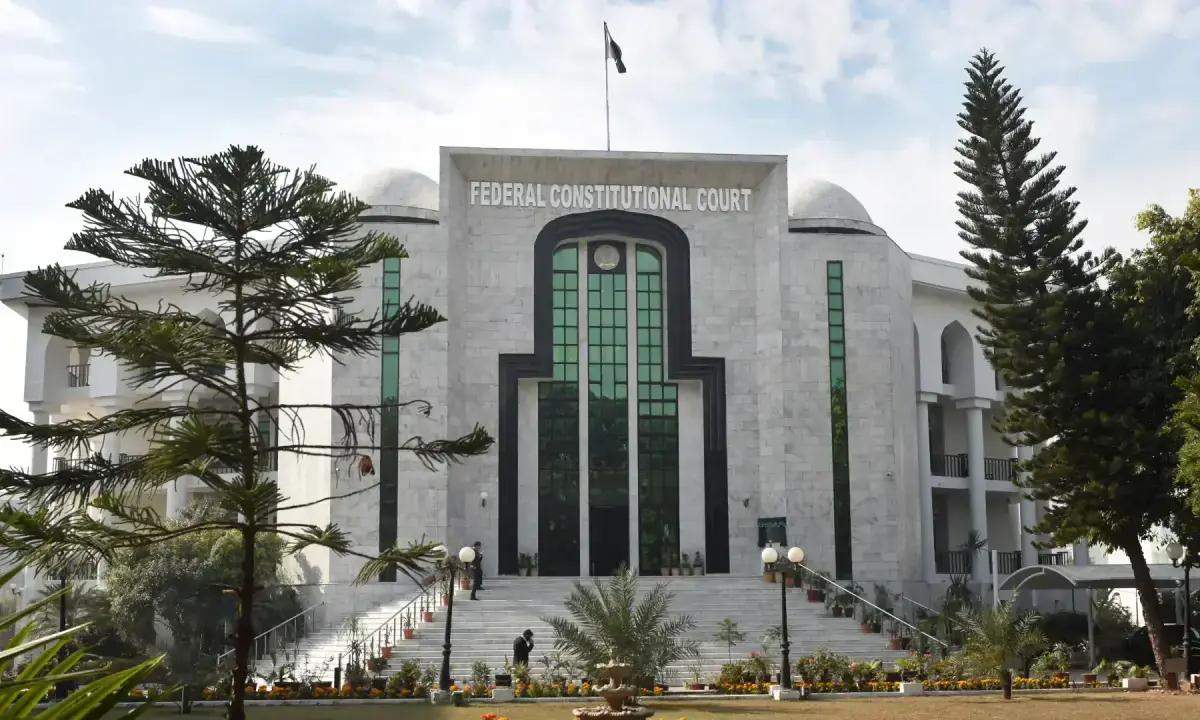
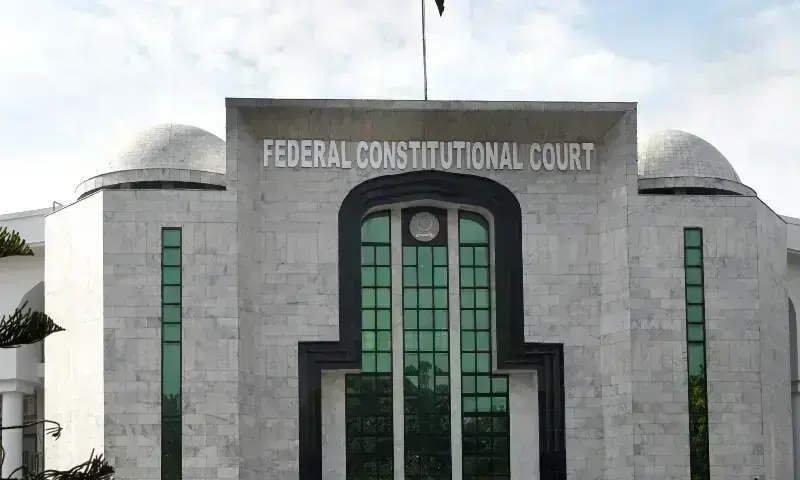
FCC rules against perpetual re-litigation, citing constitutional limits
The FCC has ruled that the Constitution does not allow for perpetual re-litigation, stating that legal matters should not be subject to endless challenges. The decision aims to uphold the finality of judicial decisions.


The Federal Constitutional Court (FCC) has ruled that the Constitution does not allow for endless re-litigation of cases, familiar with the matter. The decision, which was reported on Monday, emphasizes that the legal framework does not envisage the possibility of perpetual litigation.
Court closes door on repeated legal challenges
According to reports, the FCC stated that the Constitution sets clear boundaries regarding the re-litigation of cases. The court's stance is that once a matter has been adjudicated, it should not be subject to repeated legal challenges. This decision aims to uphold the finality of judicial decisions and prevent the legal system from being burdened by continuous litigation on the same issues.
Sources indicate that the court's ruling is based on the principle that the Constitution does not provide for indefinite legal proceedings. The FCC's decision is seen as a move to reinforce the stability and certainty of judicial outcomes.
The Constitution does not envisage perpetual litigation, the FCC stated, according to reports.
Implications for the legal system
Legal experts suggest that this ruling will have significant implications for the handling of future cases, as it sets a precedent against the re-opening of previously settled matters. The decision is expected to streamline judicial processes and reduce the backlog of cases that arise from repeated litigation.
While the details of the specific case prompting this ruling were not disclosed in the reports, the FCC's position is clear in its intent to prevent the misuse of the legal system through endless appeals and challenges.
Observers note that the court's emphasis on constitutional limits reflects a broader effort to maintain the integrity and efficiency of the judiciary. The ruling is likely to be referenced in future cases where the issue of re-litigation arises.
Comments
No comments yet. Be the first to join the discussion!