

Pakistan reaffirms unwavering support for Kashmiris on Right to Self-Determination Day; calls for UN resolutions’ implementation
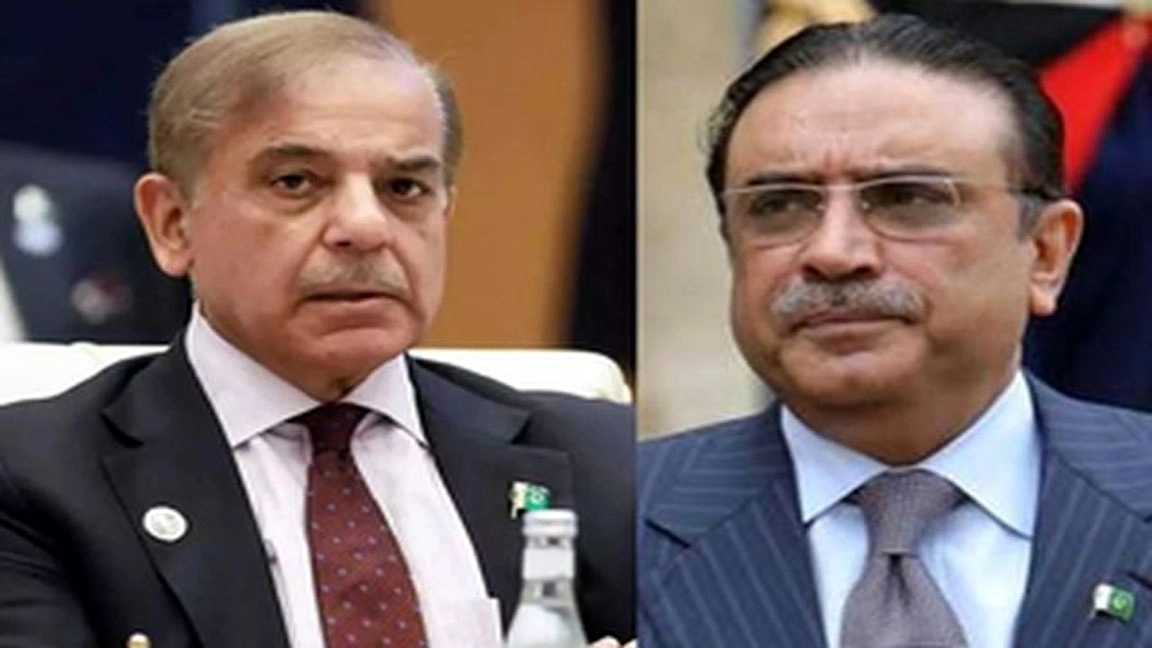
- PM Shehbaz, President Zardari, and national leaders pledge continued moral, political, and diplomatic support at all international forums for people of Jammu and Kashmir
- Urge international community to ensure implementation of UN resolutions
- PM calls for reversal of India’s 5 August 2019 actions and protection of Kashmiri rights
- President Zardari warns of water security risks following India’s suspension of Indus Waters Treaty
ISLAMABAD: Prime Minister Muhammad Shehbaz Sharif, President Asif Ali Zardari, and other national leaders on Sunday reaffirmed Pakistan’s steadfast moral, political, and diplomatic support for the people of Jammu and Kashmir in their struggle for liberation. The leaders also urged the international community to play an effective role in ensuring the implementation of United Nations resolutions on the long-standing dispute.
In his message on Right to Self-Determination Day, observed annually on January 5, Prime Minister Shehbaz Sharif said Pakistan calls upon the international community to demand that India halt widespread human rights violations in Indian Illegally Occupied Jammu and Kashmir (IIOJK), reverse its unilateral and illegal measures of 5 August 2019, repeal draconian laws, and grant the Kashmiri people their right to self-determination as enshrined in UN Security Council resolutions.
“Pakistan will continue to extend unwavering moral, political, and diplomatic support to your cause and serve as your voice at every available platform,” the prime minister added. He underscored that January 5 serves as a powerful reminder of the international community’s historic commitment, codified in the 1949 UN Security Council resolutions, to uphold the right to self-determination for the people of Jammu and Kashmir.
The prime minister recalled that the UN Commission for India and Pakistan (UNCIP) resolution of January 5, 1949, had stipulated that the final disposition of Jammu and Kashmir would be decided through a free and impartial plebiscite under UN auspices. “Sadly, this commitment remains unfulfilled to this day, due to India’s illegal occupation of the territory,” he said.
Highlighting the ongoing human suffering, he noted that the people of IIOJK have endured nearly eight decades of oppression, which has intensified since August 2019 through systematic attempts to alter the demographic and political landscape. He pointed to the imprisonment of thousands of political activists, the banning of sixteen political organizations, restrictions on media, arbitrary detentions, and routine cordon-and-search operations.
In his separate message, President Asif Ali Zardari said Pakistan stood in solidarity with the people of Jammu and Kashmir, commemorating the adoption of the 1949 UN resolution that affirmed their right to self-determination. He stressed that the passage of more than seven decades had neither weakened the validity of UN resolutions nor diminished the legitimacy of the Kashmiri people’s demands.
President Zardari also expressed concern over India’s unilateral suspension of the Indus Waters Treaty, warning that such moves could threaten livelihoods, food security, and regional stability, effectively weaponizing water against millions dependent on shared resources. He reaffirmed that the Kashmir dispute is rooted in the aspirations of its people and cannot be resolved through force or unilateral actions, emphasizing that lasting peace in South Asia requires dialogue and the implementation of UN Security Council resolutions.
Speaker National Assembly Sardar Ayaz Sadiq described Kashmir as the unfinished agenda of the subcontinent’s partition and stressed that a just resolution in line with UN resolutions is essential for lasting regional peace. He condemned systematic human rights violations by Indian forces, including extrajudicial killings, detentions, curbs on fundamental freedoms, and demographic engineering.
Deputy Speaker Syed Ghulam Mustafa Shah highlighted the Kashmiri struggle as an example of courage, sacrifice, and perseverance, calling for global recognition of their cause. He reiterated that Pakistan’s Parliament stands in full solidarity with the Kashmiri people, pledging continued political, moral, and diplomatic support.
Both leaders urged the international community to take immediate action to uphold the rights of Kashmiris and ensure the implementation of UN-mandated self-determination, marking Right to Self-Determination Day as a solemn reminder of Pakistan’s enduring support.
Comments
No comments yet. Be the first to join the discussion!


