

Climate Change: A Growing Threat to Pakistan's Agriculture

Pakistan, heavily reliant on agriculture for its economy and food security, is increasingly facing the devastating impacts of climate change. Rising temperatures, shifting rainfall patterns, and more frequent extreme weather events are wreaking havoc on the country's agricultural sector, threatening the livelihoods of millions.
The most immediate impact of climate change on Pakistan's agriculture is the decline in crop yields and quality. Higher temperatures are accelerating crop maturation, leading to reduced grain filling and lower yields.
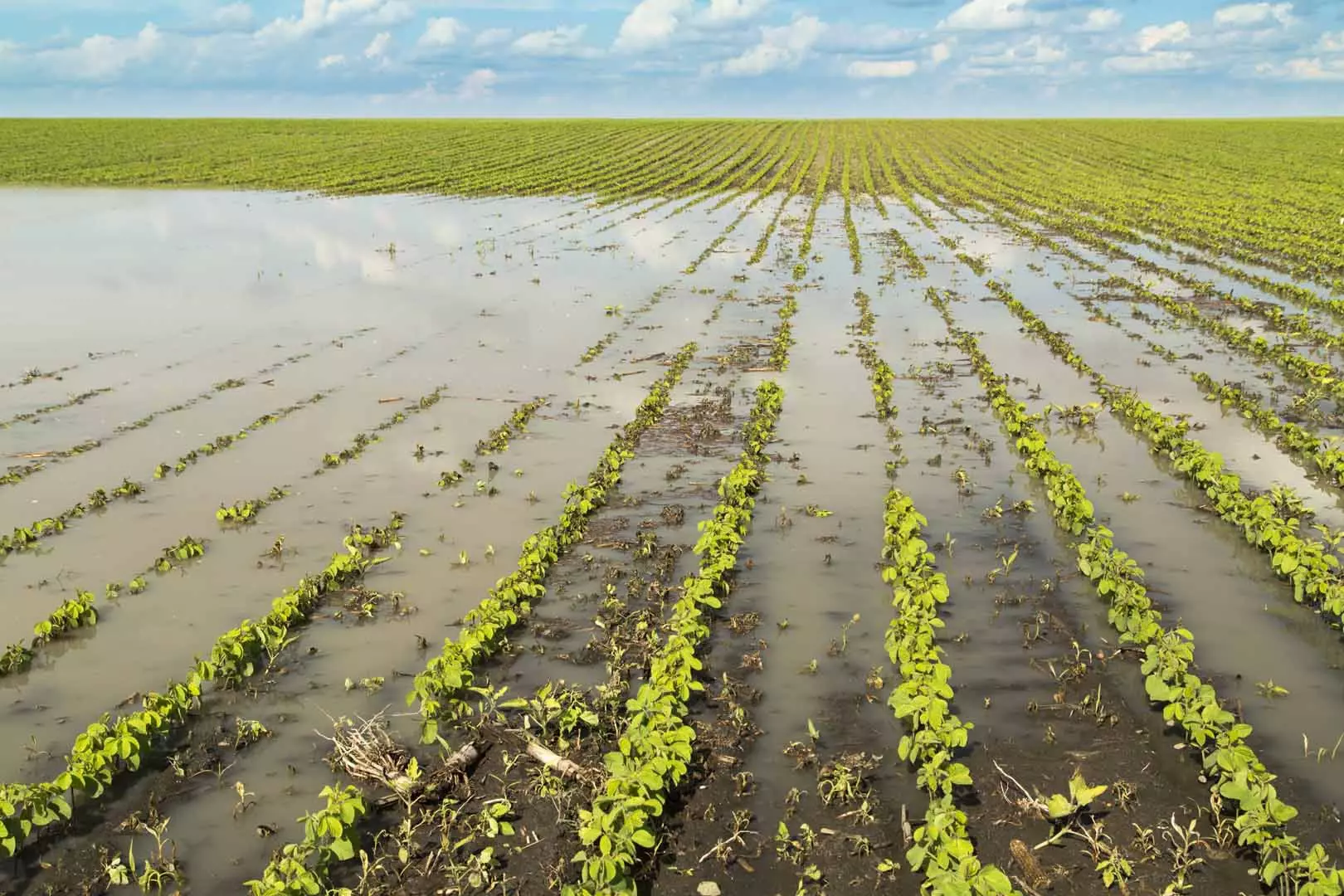
Moreover, changes in rainfall patterns are causing water shortages in some regions while leading to excessive flooding in others. This erratic rainfall disrupts planting and harvesting cycles, further impacting agricultural productivity.
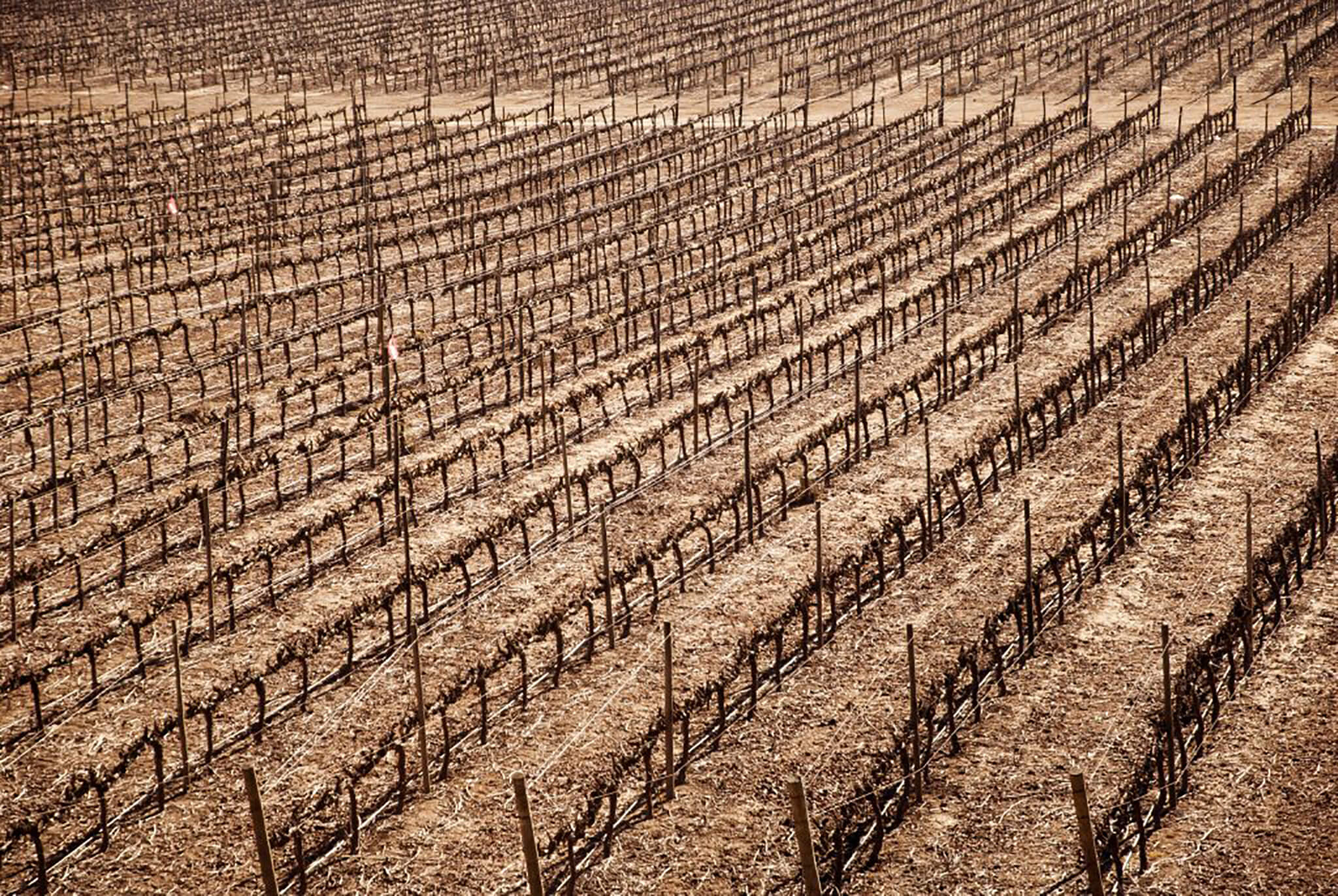
Extreme weather events, such as floods and droughts, are also posing significant challenges to Pakistan's agriculture. Floods can destroy crops, livestock, and agricultural infrastructure, while droughts can lead to severe water scarcity and land degradation. The frequency and intensity of these events are increasing due to climate change, making it difficult for farmers to adapt and recover.
Pakistan's dependence on agriculture for food security and livelihoods makes it particularly vulnerable to the impacts of climate change. The sector employs a significant portion of the population and contributes substantially to the country's GDP. Climate change threatens the food security of millions of Pakistanis, especially those living in rural areas.
To address the challenges posed by climate change, Pakistan must implement comprehensive adaptation and mitigation strategies. This includes investing in climate-resilient agricultural practices, such as drought-tolerant crop varieties, efficient irrigation systems, and sustainable land management techniques. Additionally, the government needs to strengthen early warning systems to provide farmers with timely information about impending extreme weather events.
Furthermore, Pakistan can benefit from promoting sustainable agricultural practices that reduce greenhouse gas emissions. This includes promoting agroforestry, which involves planting trees on agricultural land to provide shade, improve soil health, and sequester carbon. Additionally, adopting organic farming practices can reduce the use of chemical fertilizers and pesticides, which contribute to climate change.
International cooperation is also essential for addressing the impacts of climate change on Pakistan's agriculture. Developed countries must provide financial and technological support to developing countries like Pakistan to help them adapt to and mitigate the effects of climate change. Global efforts to reduce greenhouse gas emissions are also crucial for limiting the severity of climate change in the future.
In conclusion, climate change is a growing threat to Pakistan's agriculture sector, with far-reaching implications for the country's economy, food security, and livelihoods. By implementing effective adaptation and mitigation strategies, promoting sustainable agricultural practices, and seeking international cooperation, Pakistan can build resilience to climate change and ensure a sustainable future for its agriculture sector.
The writer is a student at Aitchison college currently completing his A levels.
View all articles →28 Comments
No comments yet. Be the first to join the discussion!


