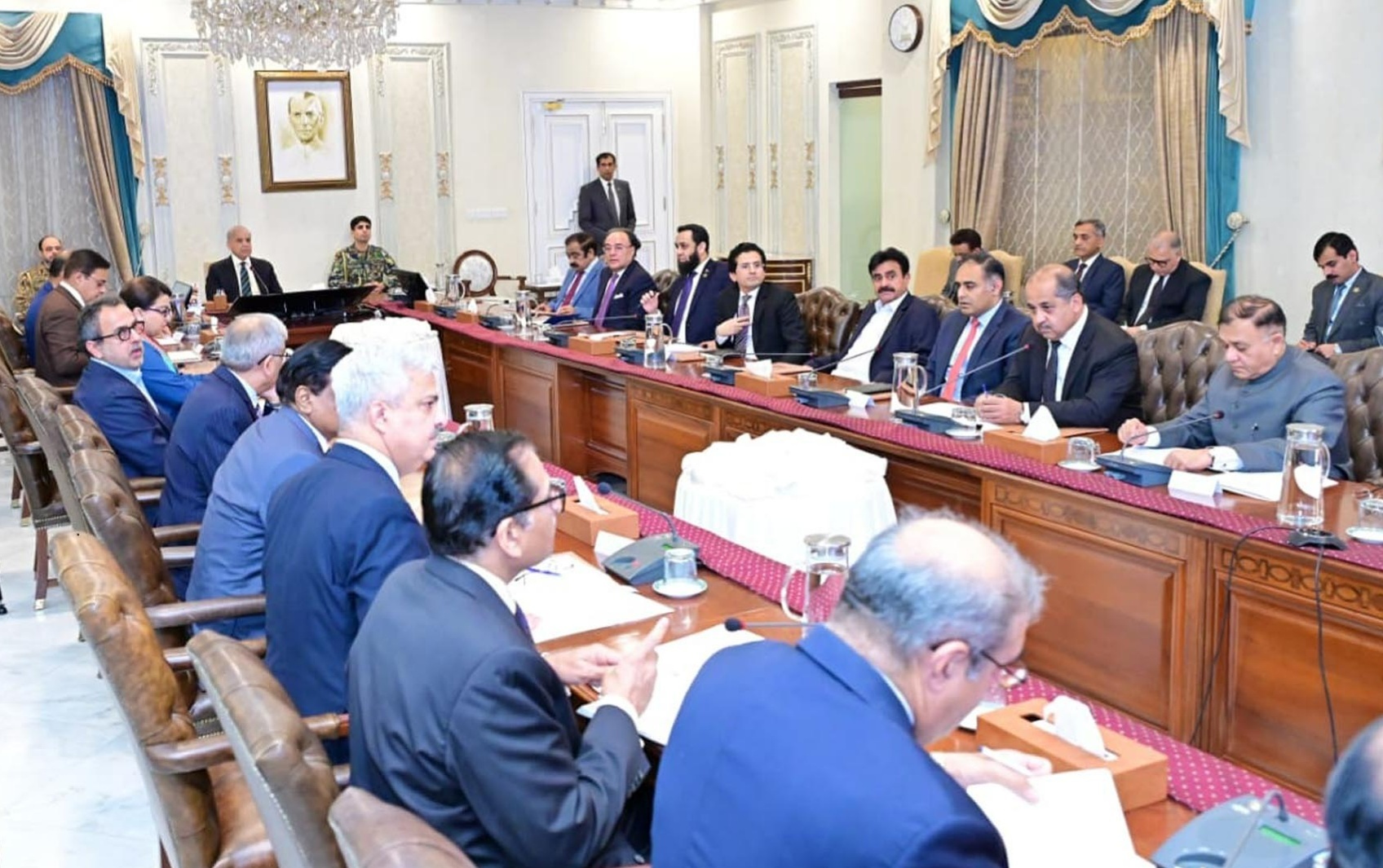
Shehbaz to review refinery policy changes amid dispute over tariff protection
Prime Minister Shehbaz Sharif is due to review proposed amendments to the Brownfield Refinery Policy at the Cabinet Committee on Energy. Refiners oppose a plan to retrospectively cut deemed duty protection from 7.5% to 5%.

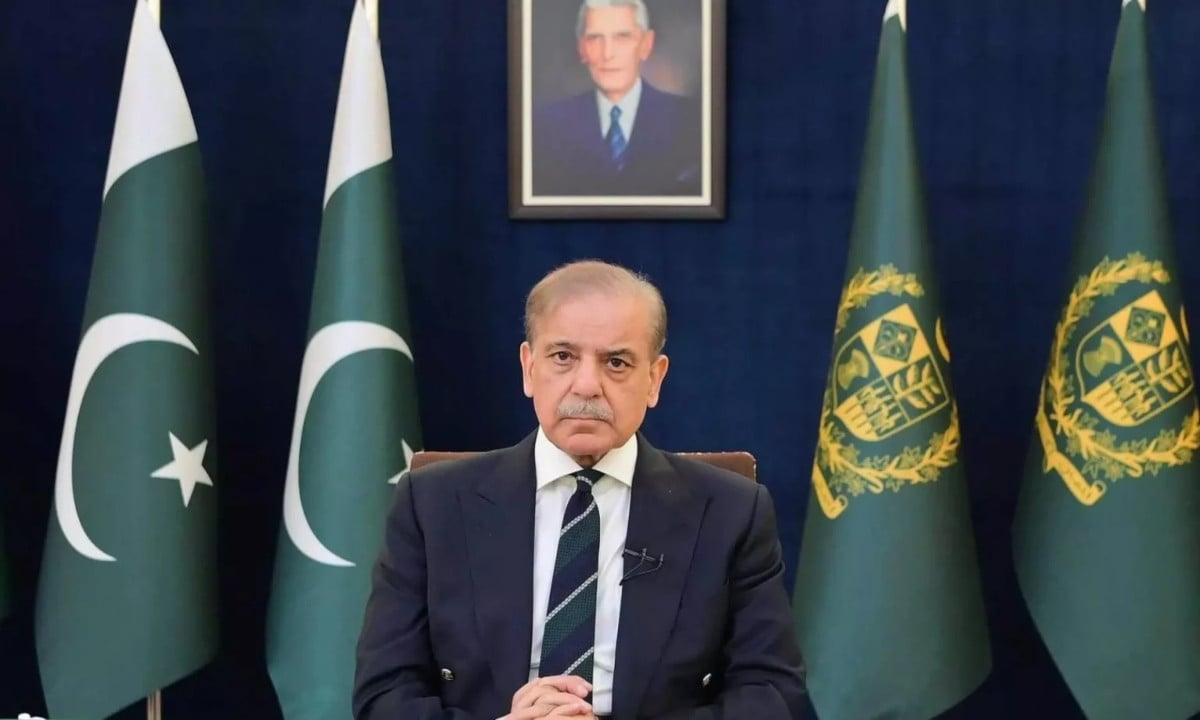
ISLAMABAD: Prime Minister Shehbaz Sharif is set to review proposed changes to the Brownfield Refinery Policy at a meeting of the Cabinet Committee on Energy on Tuesday, as the government weighs amendments that could affect billions of dollars in planned refinery upgrades.
At the centre of the dispute is a proposal to cut deemed duty protection for existing refineries from 7.5% to 5% with retrospective effect, a move that has alarmed the refining sector. Industry representatives argue the reduction would penalise companies for delays they say were caused by the government rather than the refineries.
A senior industry official said, "The agreements were never delayed because of the refineries." He said the industry had completed its part of the process, accepted the draft Upgrade Agreement in 2024 and repeatedly asked the Petroleum Division, the Oil and Gas Regulatory Authority and other forums to move towards formal execution.
The Brownfield Refinery Policy, approved in August 2023, was designed to support refinery modernisation, including production of Euro-V compliant fuels, lower furnace oil output and improvements in the country's fuel mix. Refinery stakeholders say the 7.5% tariff protection mechanism has been in place for more than two decades and that reducing it now would be both unprecedented and unfair.
The government’s position is that refineries did not sign Upgrade Agreements within the required timeframe. Refinery officials reject that argument, maintaining that the draft agreements had already been accepted and that the formal signing process remained pending on the government side.
Tax changes added to industry concerns
The policy dispute has been compounded by tax changes introduced through the Finance Act 2024, which shifted major petroleum products from the zero-rated regime to the exempt sales tax regime. That change deprived refineries of input tax adjustment and increased unrecoverable sales tax costs.
The Petroleum Division has acknowledged that the tax changes hurt the economics of refinery upgrades and contributed to delays in implementing the policy. It has proposed limited amendments aimed at operationalising the framework while preserving its original objectives.
Among the recommendations under consideration is the formation of a committee comprising the secretary petroleum, secretary law, the OGRA chairman and a representative of the Special Investment Facilitation Council to finalise the Upgrade Agreement template.
OGRA role under question
Another unresolved issue is OGRA’s place in the upgrade agreements. Masroor Khan has raised reservations about the regulator remaining a signatory, arguing that OGRA’s function should be limited to regulation rather than participation as a contractual party in commercial agreements.
The refining industry is looking to the committee meeting for a decision that removes implementation hurdles without changing the incentive structure retrospectively, saying policy consistency is essential for unlocking long-delayed investment in refinery upgrades and supporting Pakistan’s energy security.
Comments
No comments yet. Be the first to join the discussion!