

Pakistan carries 13.8 million chronic hepatitis cases, PMA warns
Pakistan ranks fifth globally for total viral hepatitis burden, with 13.8 million people living with chronic infection, the PMA said on World Hepatitis Day. The association said more than 37,000 deaths occur annually from related complications.

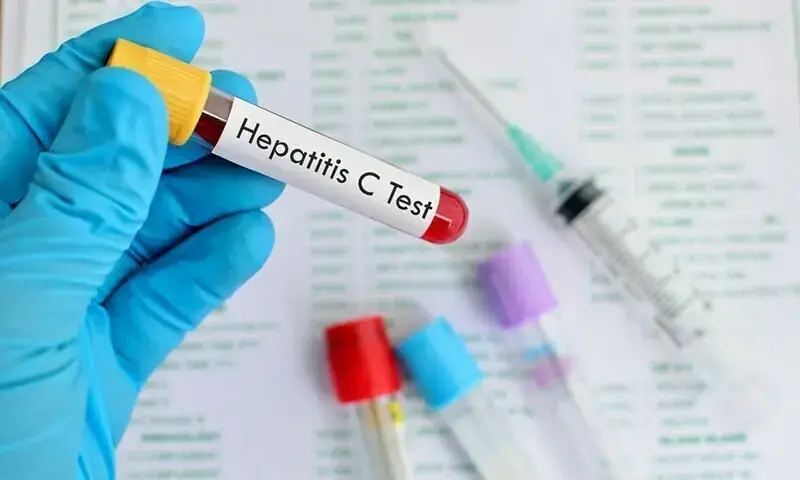
ISLAMABAD: Pakistan is carrying one of the world’s heaviest viral hepatitis burdens, with 13.8 million people living with chronic Hepatitis B or C and more than 37,000 deaths linked each year to complications including liver cirrhosis and liver cancer, the Pakistan Medical Association said on World Hepatitis Day.
PMA Secretary General Dr Abdul Ghafoor Shoro said Pakistan ranked fifth globally for total viral hepatitis burden, behind China, India, Indonesia and Nigeria. He said the country had 10 million chronic Hepatitis C Virus cases and an estimated 3.8 million people living with Hepatitis B.
According to the PMA, Hepatitis C prevalence in Pakistan ranges from 4.8pc to 7.5pc, while Hepatitis B affects between 1.1pc and 1.7pc of the population. Dr Shoro said roughly 110,000 new infections occur in the country each year, with 62pc linked to unsafe medical procedures, including unscreened blood transfusions, and 38pc associated with injection drug use.
He said World Health Organisation data showed Pakistan accounted for nearly 44pc of all new global Hepatitis C infections caused by unsafe medical injections. Dr Shoro said transmission in Pakistan was largely driven by the reuse of non-sterile syringes, contaminated medical equipment and intravenous drips, unscreened or improperly screened blood transfusions, unsafe surgical and dental practices, body and ear piercing, tattooing, shaving with non-sterilised razors at barber shops, quackery and low coverage of the mandatory Hepatitis B birth-dose vaccine administered within 24 hours of delivery.
Calls for prevention and regulation
In his message for the day, President Asif Ali Zardari said hepatitis remained one of the country’s most significant public health challenges but was preventable and treatable through early detection, timely treatment and sustained action.
He said, "Pakistan bears one of the highest Hepatitis C burdens in the world, affecting millions of individuals and placing a considerable strain on our healthcare system, economy and society." The president called for strict regulation and enforcement against unsafe healthcare and commercial practices, alongside mass public awareness campaigns.
National Assembly Speaker Sardar Ayaz Sadiq said hepatitis could pose a grave threat to life if left undiagnosed or inadequately treated. He said prevention, early diagnosis, access to quality treatment and public awareness were among the government’s foremost public health priorities, and reaffirmed parliament’s commitment to strengthening the public health system and promoting preventive healthcare.
Deputy Speaker National Assembly Syed Ghulam Mustafa Shah said public awareness, early diagnosis and equitable access to treatment were essential to preventing hepatitis.
Comments
No comments yet. Be the first to join the discussion!


