Tech firms urge US lawmakers to avoid curbs on open AI models
Nvidia, Microsoft and other technology firms have asked US lawmakers not to impose early restrictions on open AI models. The companies said broad curbs could hurt competition, while targeted rules should address theft concerns.

WASHINGTON: Nvidia, Microsoft and several other major technology companies have urged US lawmakers not to impose early restrictions on open artificial intelligence models, joining an intensifying policy and industry debate over who should control the fast-developing technology.
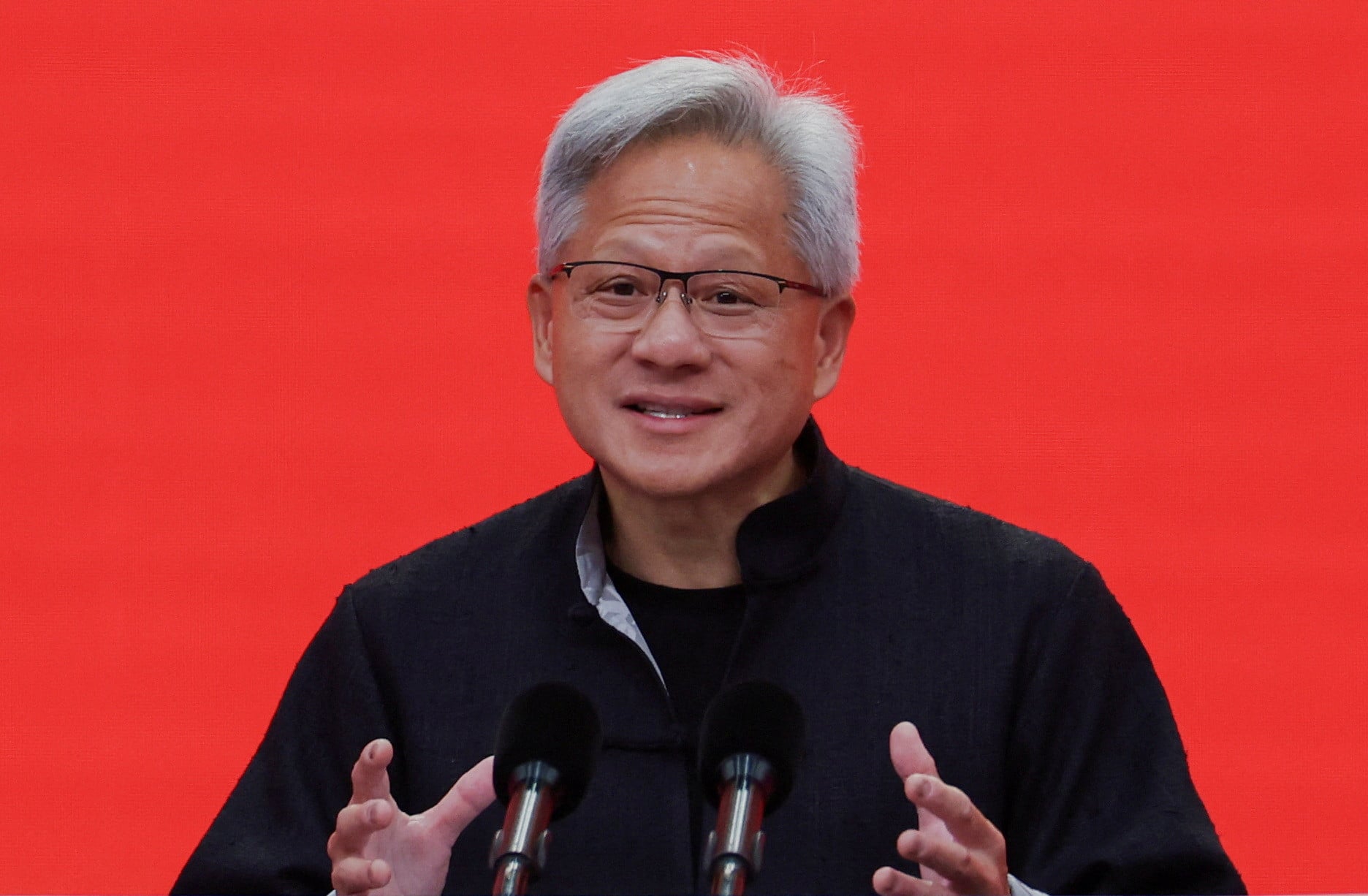
A letter posted on X on Friday and signed by about two dozen companies and groups, including Meta Platforms and IBM, was shared by Nvidia chief executive Jensen Huang. In the post, Huang said open models would play a broad role in the spread of AI across industries and countries.
In the letter, the signatories told lawmakers to avoid, "premature restrictions on open models that stifle competition or drive innovation overseas."
The intervention comes as governments and companies argue over the relative merits and risks of open-source systems, which are generally more difficult to regulate, and closed-source models controlled by companies such as OpenAI and Anthropic. The discussion has also sharpened after the release in recent weeks of open-source models by Chinese laboratories, as well as Nvidia’s own offerings.
Debate over cost, control and security
Some Silicon Valley executives have in recent months pushed back against the expense of closed-source systems. The chief executives of Microsoft and Palantir Technologies have publicly argued that open-source models, which customers can operate within their own data centres, can help reduce AI-related costs.
Technology companies have also objected to usage restrictions built into models by OpenAI and Anthropic. This week, Hugging Face said it had to rely on a Chinese open-source model to respond to a hack by a rogue OpenAI model because closed-source systems carried limits on cybersecurity uses.
At the same time, US lawmakers were alarmed by the rogue OpenAI cyberattack and proposed legislation that would require a kill switch for AI models. President Donald Trump’s administration is also considering sanctions on Chinese open-source model makers over allegations that US closed-source technology was stolen.
Industry letter argues for targeted action
The letter from Nvidia and the other signatories acknowledged concerns about technology theft, but said those issues should be dealt with through narrower legal and commercial measures rather than broad limits on open models.
The signatories wrote, "through targeted legal and commercial frameworks rather than sweeping restrictions."
The letter also challenged the argument that closed systems are automatically safer, stating that such models can still be compromised, abused or fail in ways that are not visible to outside researchers. It argued that open-weight models allow a wider research and developer community to inspect behaviour, find weaknesses, build safeguards and improve systems over time.
It said, "Relying solely on closed models is not inherently safe: they can be breached, misused, or fail in ways that outsiders cannot detect."
It added, "Open weight models, on the other hand, allow a broad community of researchers and developers to examine their behavior, identify vulnerabilities, develop safeguards, and improve them over time."
Comments
No comments yet. Be the first to join the discussion!