Punjab and Sindh seek wheat releases as prices rise
Punjab and Sindh have sought wheat releases from federal reserves as prices climb across the country. The federal government reviewed import options but deferred a decision pending final provincial demand estimates.

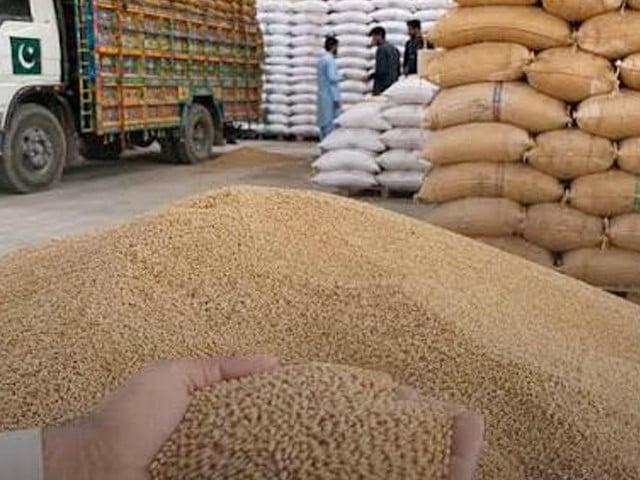
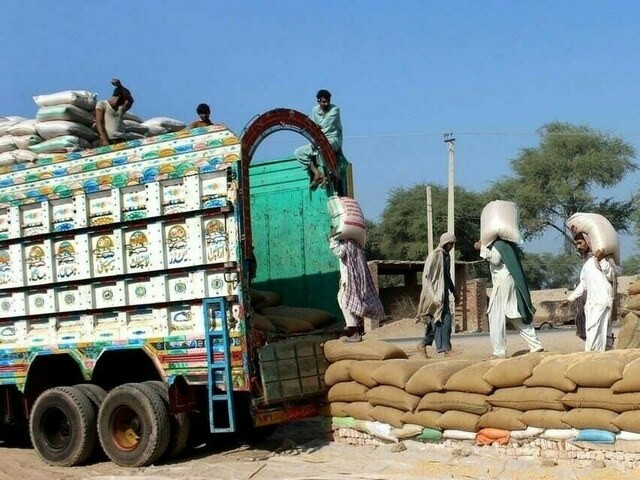
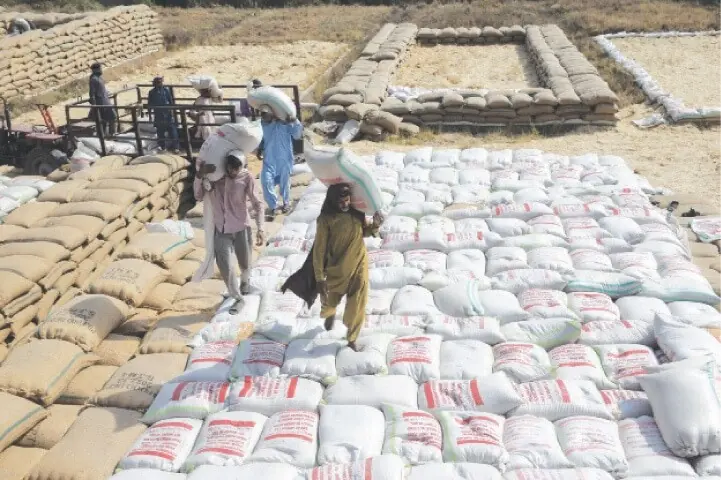
ISLAMABAD: The federal and provincial governments held another meeting on Monday to address mounting concerns over wheat availability after Punjab and Sindh, the country’s two biggest wheat-producing provinces, sought supplies from federal reserves amid rising prices.
Officials who attended the meeting said Punjab asked the federal government for 1 million tonnes of wheat, while Sindh requested at least 220,000 metric tonnes from federal stocks stored in provincial warehouses. According to officials, the issue has been linked to the end of the wheat support price two years ago, imposed by the International Monetary Fund as a condition, without what they described as a credible replacement mechanism, as well as to this year’s failure by both provinces to procure enough wheat from farmers.
The meeting was chaired by Economic Affairs Minister Ahad Cheema and reviewed the option of importing wheat, though no final decision was taken. A statement issued by Cheema’s office said, "The meeting also reviewed the option of importing wheat to strengthen strategic reserves, if necessary".
The statement added that any decision on imports would follow a full assessment of domestic market conditions.
Cheema said the interests of local farmers and growers would remain the government’s top priority and that no decision would be taken at their expense. This was the second meeting in five days between federal and provincial representatives, and another was expected within the next 24 hours as wheat and flour prices climbed by 6%.
Provincial demands and stock position
A senior government functionary said that if the federal government met provincial requests from the 1.7 million tonnes held by the Pakistan Agriculture Storage and Services Corporation, its own stocks would be exhausted. He added that the government might need to import between 500,000 and one million tonnes to manage any adverse situation.
According to officials, Punjab sought one million tonnes from PASSCO, Sindh asked for 220,000 to 700,000 tonnes from Punjab, and Khyber-Pakhtunkhwa requested about 100,000 tonnes for the public sector and another 700,000 tonnes for the private sector. Khyber-Pakhtunkhwa also sought local wheat. Officials said Sindh asked Punjab to ease border controls to help it secure supplies, but Punjab did not agree, citing its own supply management difficulties. Cheema asked all provinces to submit their final written requirements.
According to food ministry figures, the country produced 29.78 million metric tonnes of wheat this year and also had two million tonnes of carryover stocks from the previous year. Estimated national requirements stand at 31.66 million tonnes, leaving available stocks higher by 125,000 tonnes. Even so, officials said Punjab had been unable to trace about four million tonnes of wheat it believed had been hoarded. Punjab also fell short of its procurement target of three million tonnes, buying only 480,000 tonnes from farmers, while Sindh procured a little more than 200,000 tonnes.
Government position and market trends
A handout issued by the Ministry of Economic Affairs said representatives of all provinces "informed the meeting that the wheat market remains stable across the country, with no immediate shortage or crisis".
The statement also said provinces reported that action against hoarding and market manipulation was continuing to prevent artificial shortages and unjustified price increases.
Official data showed wheat prices rose nationwide between June 11 and July 9. In Punjab, the price increased from Rs4,188 to Rs4,423 per 40 kg. In Sindh, it rose from Rs4,188 to Rs4,625 per 40 kg. In Khyber-Pakhtunkhwa, the price moved from Rs4,947 to Rs5,100, while in Balochistan it increased from Rs4,760 to Rs4,800 per 40 kg. Flour prices reached Rs142 per kg in Rawalpindi, Islamabad, Peshawar and Karachi, while Gujranwala recorded flour at Rs130 per kg.
Khyber-Pakhtunkhwa Finance Adviser Muzzammil Aslam said, "This is the first time a serious wheat crisis is brewing within four months of harvesting."
He added that Punjab had been expected to buy three million tonnes but had failed to purchase even 500,000 tonnes. Aslam further said, "Provincial reserves are at extremely low levels. Availability is a major concern and the only possible way to reduce prices is to import wheat."
Cheema said wheat stocks would be released to provinces under memorandums of understanding signed with PASSCO and assured them that more wheat would be provided if needed to meet emerging demand. Federal Minister for National Food Security Rana Tanveer Hussain told the meeting that PASSCO was extending full support to provincial governments for wheat supply and stock management, according to the official handout. Cheema also said the federal and provincial governments were coordinating closely to ensure uninterrupted availability, market stability and protection for both consumers and farmers.
Comments
No comments yet. Be the first to join the discussion!