PFMA urges federal government to import wheat amid shortage fears
The Pakistan Flour Mills Association has urged the federal government to approve wheat imports, warning of possible flour shortages by December. It said Punjab’s release of official stocks may ease prices but would not be enough on its own.

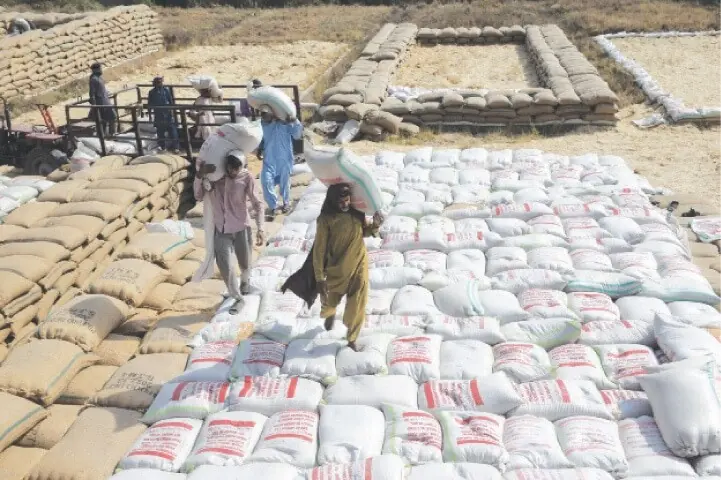
LAHORE: The Pakistan Flour Mills Association has asked the federal government to immediately approve wheat imports, warning that the country could face a flour shortage by December if timely steps are not taken, even as the Punjab government moves to release wheat from official stocks to calm the market.
In a statement issued on Tuesday, PFMA Chairman Asim Raza said wheat prices in Punjab were currently ranging from Rs4,300 to Rs4,500 per maund. He said the increase was driving up flour and bread prices and adding to pressure on consumers.
Raza welcomed the Punjab government’s decision to release wheat from its stocks, calling it a positive step aimed at bringing stability to the market and discouraging speculative activity. He said the move would improve supplies and help address shortages linked to hoarding if implemented effectively. In his words,
“The release of government wheat will improve market supplies and help eliminate the artificial shortage created by hoarding,”
Import decision sought alongside stocks release
While supporting the provincial decision, Raza cautioned that the release of Punjab’s stocks alone would not be enough to guarantee uninterrupted supply in the coming months. He urged the federal government to simultaneously take a decision on imports to cover an expected shortfall, saying delays could trigger another flour crisis by December.
Warning against postponement, he said,
“If import decisions are postponed, the country may once again face shortages and sharp price increases later this year,”
The warning comes amid continued uncertainty in the wheat market after a major reduction in public procurement this year. Unlike previous years, provincial governments made only limited wheat purchases, leaving procurement and storage largely in private hands.
Concerns over market dependence on private inventories
Agriculture experts have repeatedly said that although the market-led approach has reduced the fiscal burden associated with maintaining large official wheat stocks, it has also made the market more dependent on private inventories. According to those assessments, that has left prices more exposed to speculation and supply disruptions.
Pakistan harvested what was described as a relatively healthy wheat crop this year after favourable weather conditions. However, analysts have said that the absence of substantial government buffer stocks could create supply management difficulties later in the marketing season if demand rises or private stocks are held back.
The country has switched between exporting and importing wheat in recent years depending on domestic output and policy choices. Market observers have stressed that any import decision needs to be made well in advance because international buying, shipping and inland distribution can take several months.
Raza said timely imports, together with the release of official stocks and strict action against hoarding, would help preserve price stability and shield consumers from another rise in flour prices during the winter months.
Comments
No comments yet. Be the first to join the discussion!