SHC acquits man convicted in 2017 Sindh University student suicide case
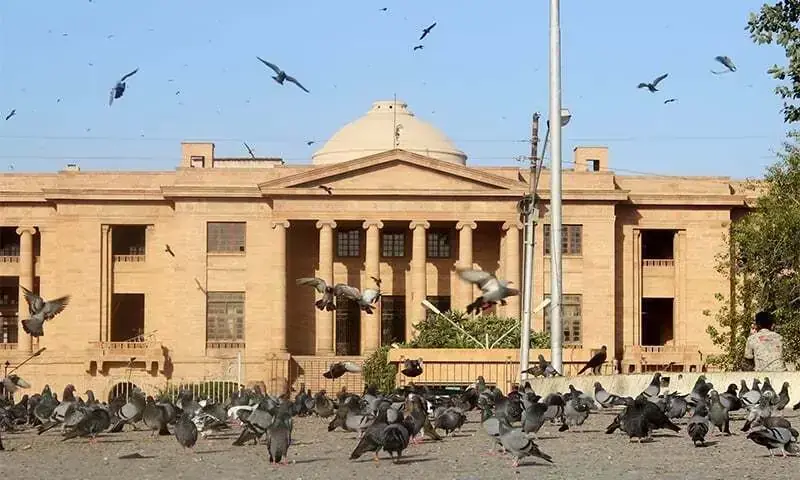
The Sindh High Court has acquitted a man previously sentenced to life imprisonment in the 2017 suicide case of Sindh University student Naila Rind. The court said the prosecution failed to prove the charges beyond reasonable doubt.

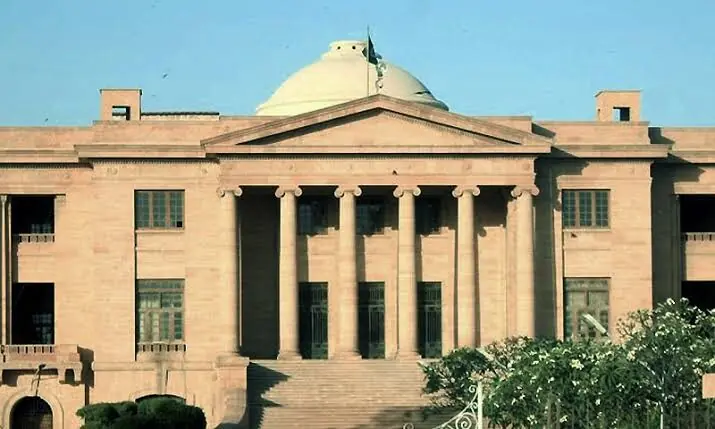
HYDERABAD: The Sindh High Court (SHC) has acquitted a man who had been sentenced to life imprisonment three years ago in connection with the 2017 suicide case of a Sindh University student.
The case relates to the death of Naila Rind, a final-year student of the university’s Sindhi department, whose body was found hanging from the ceiling fan in her room at Marvi Hostel in Jamshoro on Jan 1, 2017.
Police had arrested Anees Khaskheli, a private school teacher, a few days later after examining data recovered from Naila’s mobile phone, which, showed frequent contact between the two.
In January 2023, an anti-terrorism court had convicted Anees under Section 7-A of the Anti-Terrorism Act, 1997, read with Section 321 of the Pakistan Penal Code relating to qatl-bis-sabab. He was also held guilty under Sections 21(b) and 21(c) of the Prevention of Electronic Crimes Act, 2016, concerning cyberstalking.
The same year, Anees challenged his conviction before the SHC. On Monday, a two-member bench comprising Justice Omar Sial and Justice Mohammad Abdur Rahman issued its written ruling for proceedings held on April 18.
According to the judgment, a copy of which was available to Dawn, the bench found that the offence under the Anti-Terrorism Act had not been established. The court said the prosecution had not proved that any photographs were disseminated or publicly displayed, and it also found that blackmail had not been proven.
"No dissemination or public display of photos was proved. Blackmail was not proved,"The bench further held that no unlawful act on the part of the accused had been established and said the prosecution had failed to make its case beyond reasonable doubt.
In its ruling, the court also pointed to issues in the handling of documentary material during the trial. The investigation officer had produced photocopies of the documents relied upon by the prosecution and stressed that trial courts must record reasons when admitting secondary evidence.
Comments
No comments yet. Be the first to join the discussion!