Former FIFA referees question uneven sanctions in two World Cup red-card cases
Former FIFA referees have questioned why Jarell Quansah received a two-match World Cup ban while Folarin Balogun's one-match suspension was suspended. The contrasting disciplinary outcomes have fuelled criticism of FIFA's consistency.

CAPITAL CITY: Two former FIFA referees have publicly challenged football's governing body over what they described as inconsistent punishment in separate World Cup dismissals involving England defender Jarell Quansah and United States forward Folarin Balogun.
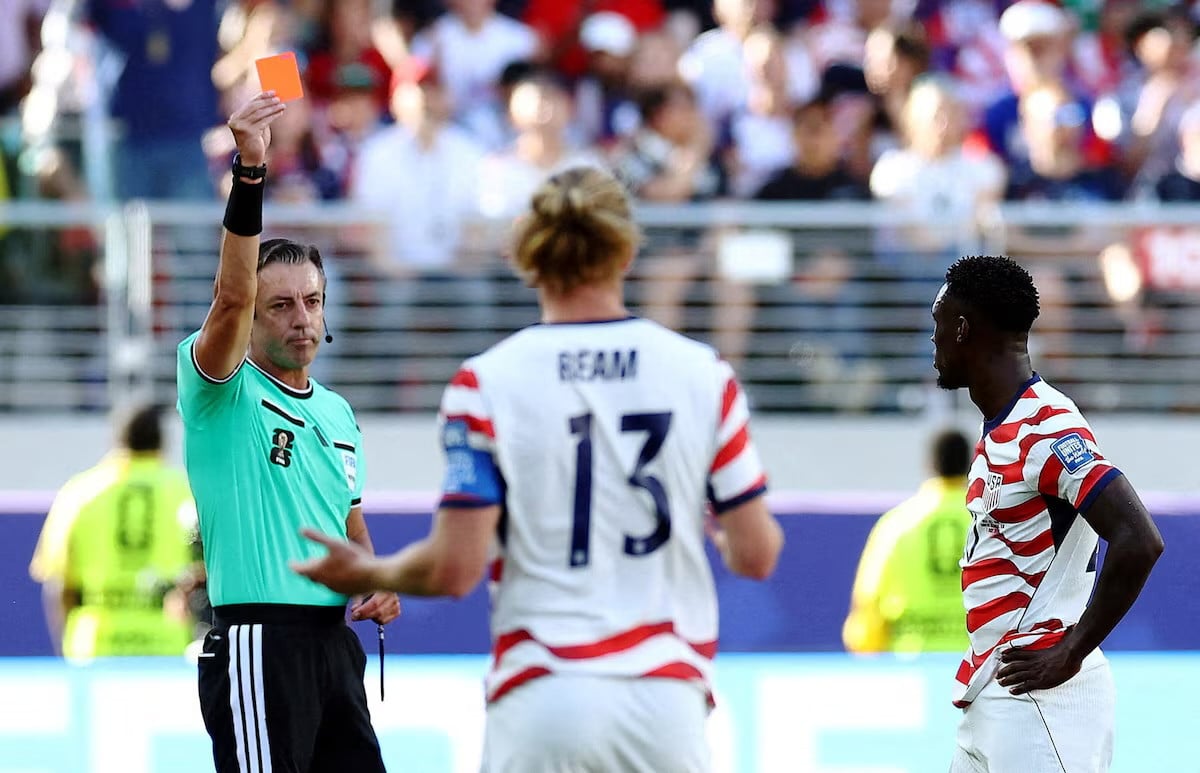
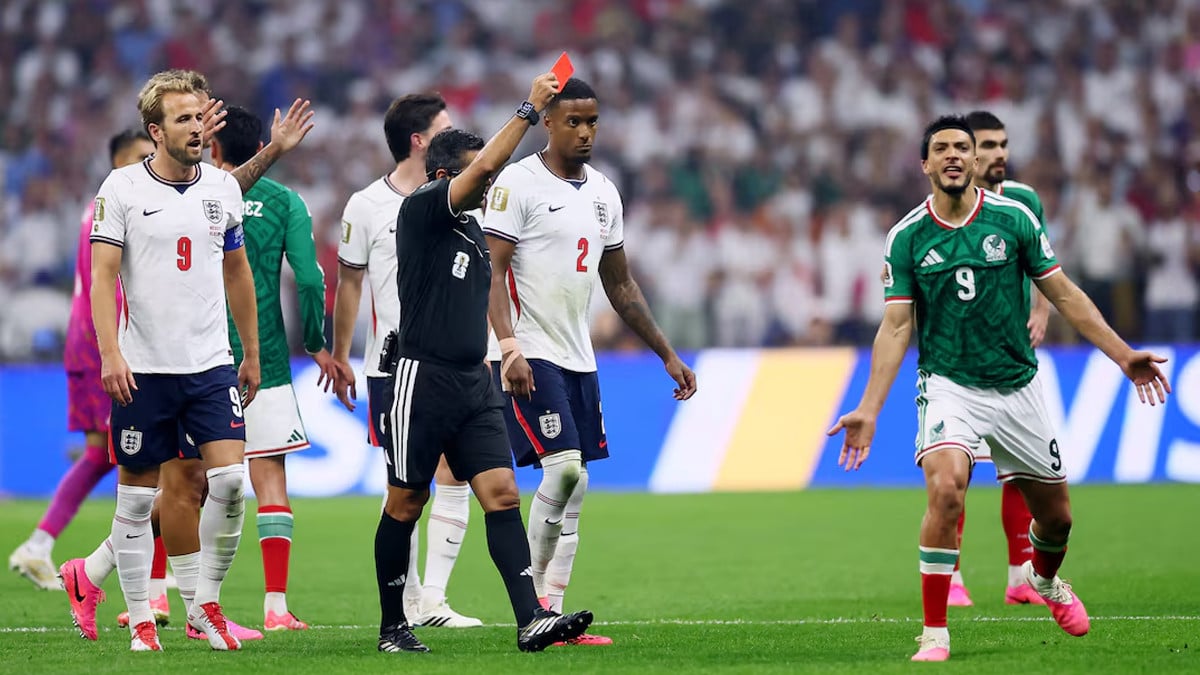
The scrutiny intensified after Quansah, who was sent off in England's last-16 win over Mexico following a video review, received a two-match suspension for a studs-up sliding tackle judged to be serious foul play. England's Football Association said the sanction could not be appealed.
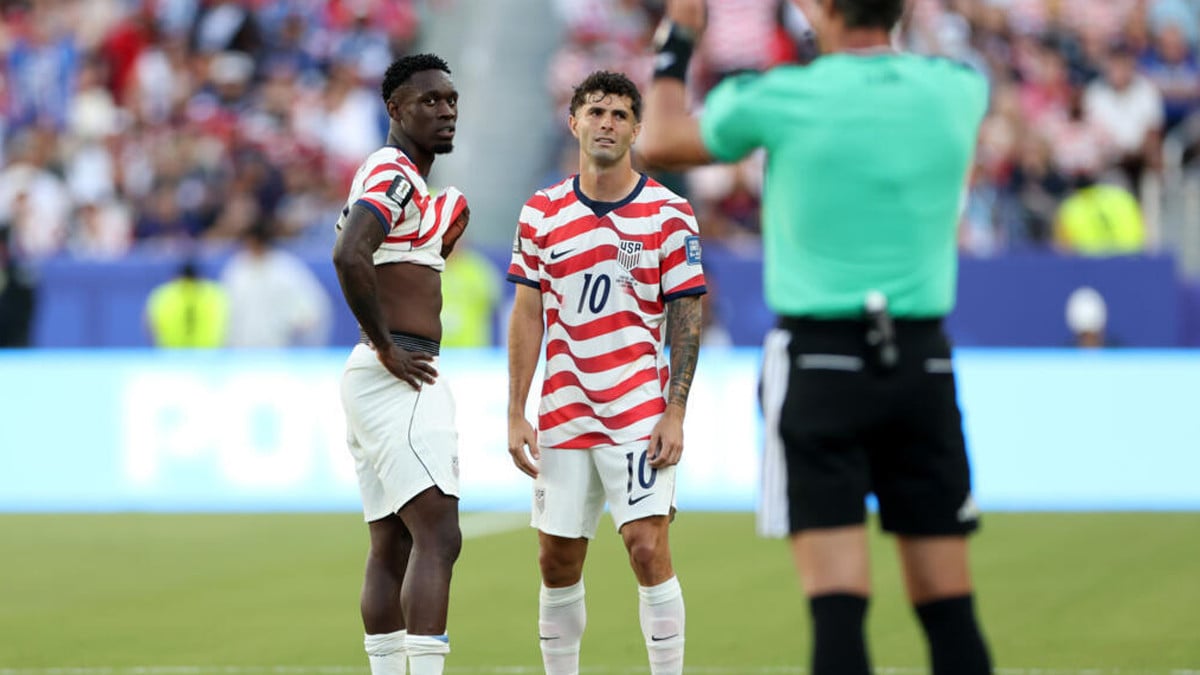
Balogun, meanwhile, was dismissed in the United States' round-of-32 victory over Bosnia but did not end up serving an immediate ban. FIFA said his one-match suspension was put on hold for a year under Article 27 of its disciplinary code. The governing body has not publicly set out why it considered that outcome suitable in his case.
Calls for consistency
Former referee Jonas Eriksson, who worked as a FIFA official for 16 years from 2002, said the two incidents appeared comparable in force and aggression, making the difference in punishment difficult to understand. Speaking to Reuters, he said that if Balogun's case merited a one-match suspension, Quansah's should have been treated the same way.
Eriksson said consistency matters as much as the accuracy of individual decisions, arguing that players and teams should expect equal treatment in similar situations. He also said FIFA had not properly clarified whether Balogun's case involved a mistaken refereeing decision or an incorrect application of the laws.
What everyone wants from referees, they want the correct decisions, yes, but more important always is consistency
Eriksson told Reuters the lack of explanation had left outsiders guessing about FIFA's reasoning.
That you identify, okay, player A gets the same sanction as player B. Team A gets the same sanction as team B. You know, that's what you expect. And this is not the case when it comes to Quansah and Balogun.
He added that the suspension of Balogun's ban had never been adequately explained and called Quansah's red card and subsequent suspension a mystery.
Political angle adds to controversy
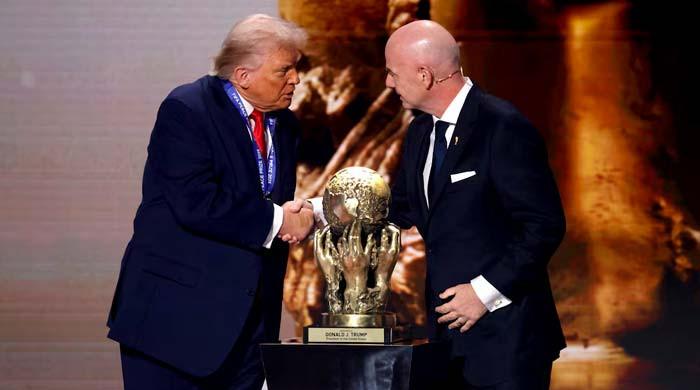
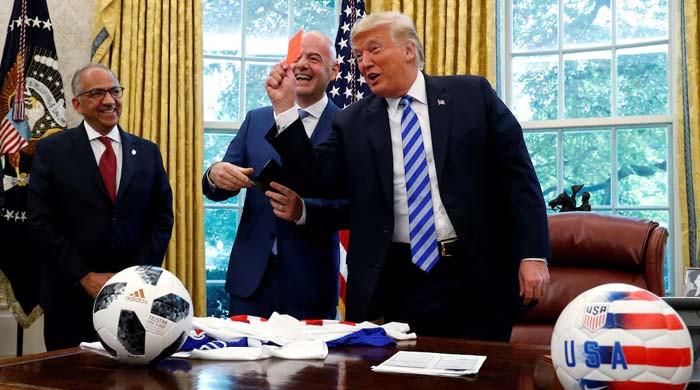
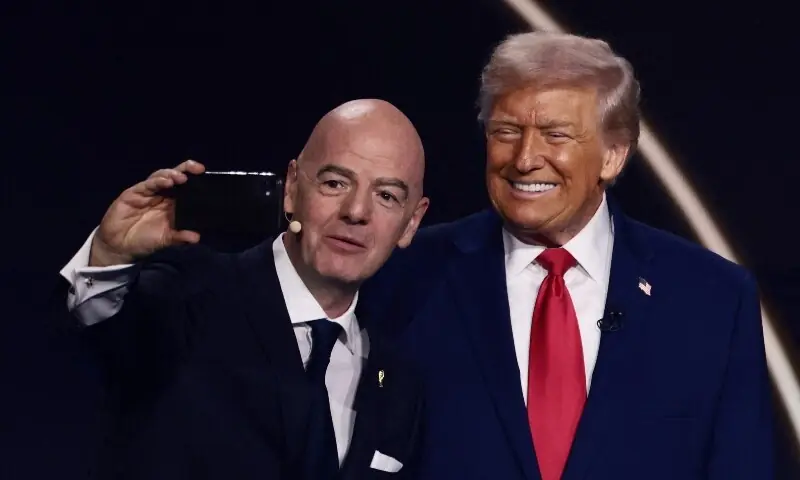
The episode drew further attention because U.S. President Donald Trump had personally asked FIFA President Gianni Infantino to look again at Balogun's case. FIFA has maintained that the exchange had no bearing on the final decision, but the contact added to criticism around the process.
Former international referee Keith Hackett wrote on social media on Thursday that FIFA had fallen short in how it handled the matter and said the body had permitted outside interference. He also said both incidents involved serious foul play deserving red cards.
FIFA have failed in their duty towards the game after they delayed the ban for Balogun. They allowed outside interference by the president
British media also highlighted the contrast between the two cases. The Independent carried the headline: FIFA confirms Jarell Quansah ban just days after Folarin Balogun reprieve.
The Balogun issue had already featured in a formal challenge during the tournament. Belgium contested the striker's eligibility before its round-of-16 win over the United States, but that effort was unsuccessful. FIFA has still not publicly detailed why it chose to suspend Balogun's one-match ban under Article 27.
Comments
No comments yet. Be the first to join the discussion!