

Reported Jamaat-ul-Ahrar split from TTP highlights renewed questions over internal rifts
Jamaat-ul-Ahrar has reportedly split from the TTP for a third time, reviving questions over internal differences within the militant network. The reported move follows a history of breakaways, reconciliation and tensions over leadership and operational strategy.

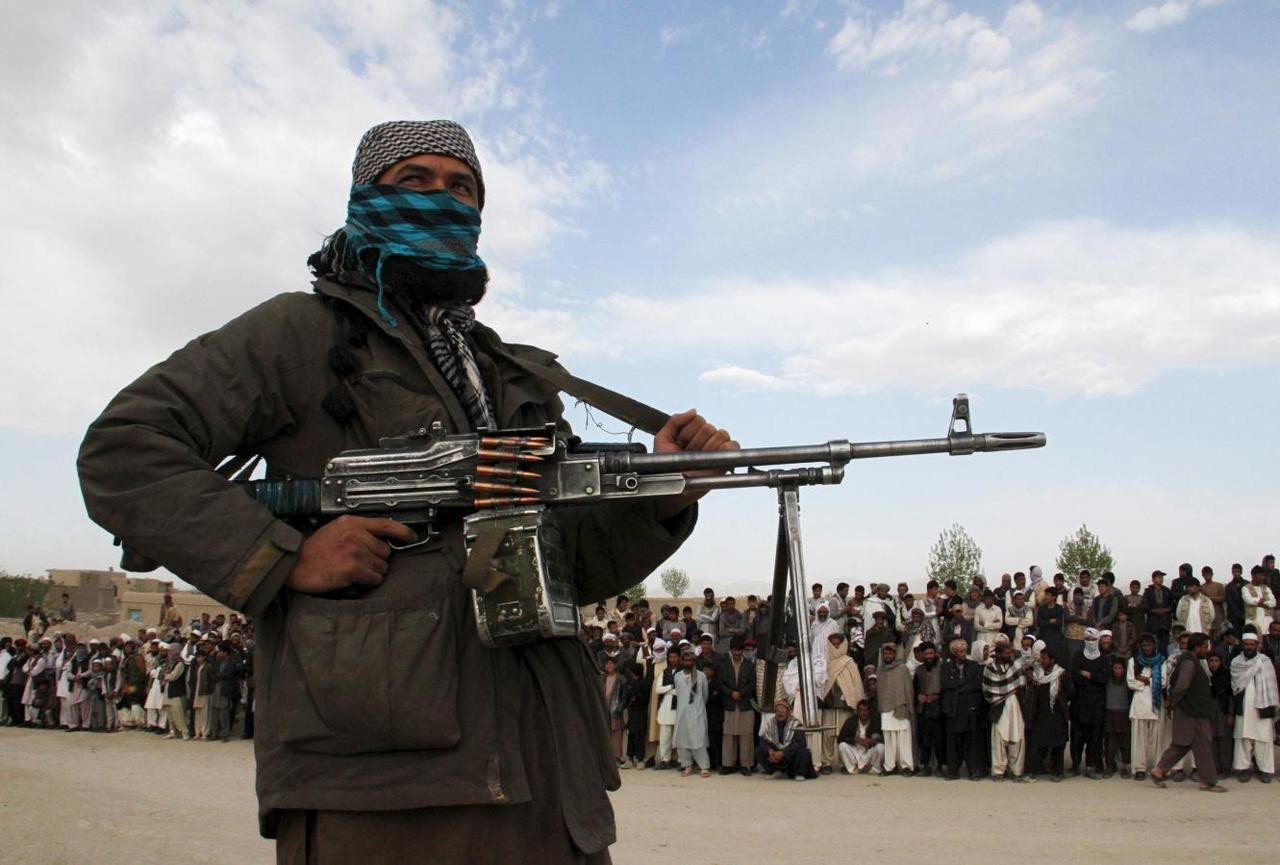
ISLAMABAD: Jamaat-ul-Ahrar, regarded as one of the most prominent and deadliest factions within the Tehrik-e-Taliban Pakistan, has reportedly broken away from the outfit for a third time, raising fresh questions about whether the move reflects another internal reorganisation or deeper strategic and ideological disagreements.
The faction has had a substantial footprint in Malakand Division, Mohmand, Bajaur, Peshawar and nearby districts, while also building networks in urban centres including Karachi and Lahore. Jamaat-ul-Ahrar is considered second in influence within the TTP only to the Hafiz Gul Bahadur group.
History of earlier splits and reunification
Jamaat-ul-Ahrar first surfaced in 2014 after formally separating from the TTP. It was headed by Omar Khalid Khorasani, while Ehsanullah Ehsan acted as a leading spokesman. The break was driven mainly by opposition to the selection of Mullah Fazlullah as TTP chief, with JuA figures objecting that the appointment of a non-tribal leader from Swat had been made without sufficient consultation with senior commanders and that their group had been left out of the process.
After almost a year of mediation involving local Taliban figures and the Afghan Taliban, the two sides reconciled and Jamaat-ul-Ahrar rejoined the TTP in 2015. Sirajuddin Haqqani, now Afghanistan’s interior minister, played an important part in those efforts.
Even after the reunion, ties between the two sides remained uneasy. Jamaat-ul-Ahrar commanders reportedly faulted Fazlullah’s leadership for what they saw as a lack of strategic clarity, although both sides followed the same school of thought. Differences also emerged over operational policy, with Jamaat-ul-Ahrar and the Hafiz Gul Bahadur group at times claiming attacks that the TTP leadership did not publicly acknowledge, describing that silence as a strategic approach.
By 2017-18, the two sides were effectively operating separately despite no formal public declaration. Following Fazlullah’s death, TTP chief Mufti Noor Wali Mehsud brought Jamaat-ul-Ahrar back into the organisation, where it stayed until the latest reported split.
Questions over motive and operational direction
The current separation is linked to disagreements over TTP policies and concerns about the organisation’s alleged increasing closeness to hardline factions. These claims have not been independently verified.
Security observers said the reported split may indicate that Jamaat-ul-Ahrar wants to follow a wider operational approach, treating all of Pakistan as its theatre of operations instead of confining activities to the former tribal areas or Khyber Pakhtunkhwa. Analysts referenced recent attacks claimed by the group, including one in Karachi, as signs of a broader geographical focus.
Some analysts also believe that a more aggressive operational posture could help the faction draw new recruits, though such views remain analytical assessments rather than independently established facts.
If confirmed, the latest split would mark another important development in Pakistan’s militant landscape and could affect the TTP’s internal cohesion and future direction. Jamaat-ul-Ahrar is believed to have developed links with Balochistan separatist groups, and analysts suggest it may in future claim attacks in Balochistan.
Comments
No comments yet. Be the first to join the discussion!


