

June 29, 2026
Flood-hit families remain vulnerable ahead of monsoon, survey finds
A survey by Pattan Development Organisation and Coalition-38 says many families hit by last year’s floods in Punjab and KP remain far from recovery. The findings point to uneven compensation, weak preparedness and rising vulnerability ahead of the monsoon.

June 29, 2026
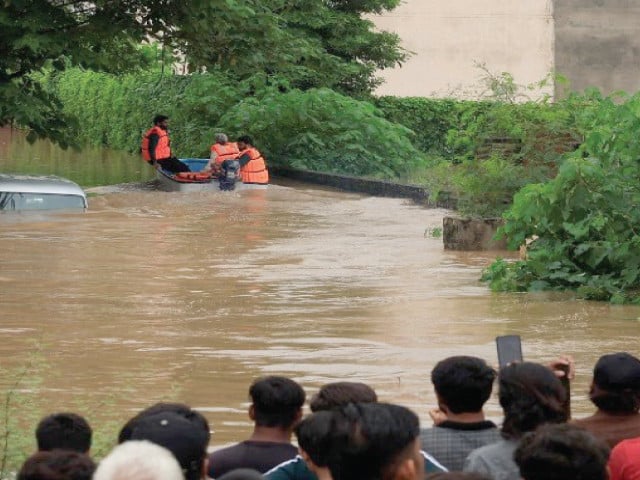
ISLAMABAD: A survey by Pattan Development Organisation and Coalition-38 has found that many families affected by last year’s floods in Punjab and Khyber Pakhtunkhwa are still struggling to recover as Pakistan approaches another monsoon season.
The survey examined rehabilitation, disaster preparedness and public perceptions of official policies in flood-affected communities. It covered 140 households across 35 severely affected settlements in Punjab and Khyber Pakhtunkhwa, most of them located near rivers and repeatedly exposed to flooding over the past 15 years.
Many commitments related to restoring livelihoods, rebuilding homes and repairing community infrastructure have yet to be fulfilled. This has left survivors facing deeper economic insecurity, weaker resilience and greater exposure to future climate-related shocks.
Uneven recovery and limited support
The survey found sharp disparities in the recovery process. While a small number of households were reported to have received sufficient compensation and managed to rebuild, most respondents said they were still dealing with damaged homes, lost livelihoods, rising debt and depleted assets. Many also alleged that compensation was distributed on the basis of political influence and local connections rather than actual need.
Post-disaster rehabilitation and reconstruction efforts may also have increased the influence of local elites, with better-off and more connected groups appearing to benefit more than poorer families. Those left behind continue to face unemployment, insecure housing, shrinking assets and restricted access to basic services.
More than three-quarters of respondents said they had received little or no meaningful help from government institutions. Of the 140 households surveyed, only 20 reported receiving government compensation. Nearly 79% said they were poorer than before the floods, while fewer than 7% said their homes, livelihoods or assets had been fully restored.
The data also showed that more than two-thirds of families were unable to properly repair or rebuild their homes. Some 57% said there had been no recovery in lost livelihoods, while 42% reported no meaningful recovery from their overall losses. More than 40% estimated it would take between five and ten years to return to their pre-flood economic position.
Preparedness gaps and climate concerns
The survey found that more than 90% of respondents viewed climate change as a major reason behind increasingly frequent and severe flooding. At the same time, most participants expressed dissatisfaction with the government’s preparedness and adaptation measures aimed at reducing climate risks.
It also pointed to a near absence of community-level disaster preparedness. The researchers found little sign of functioning early warning systems, evacuation planning or local disaster risk reduction arrangements, with respondents saying such measures were either unavailable or ineffective when the floods struck.
Beyond rehabilitation, the research highlighted concerns over safe drinking water, environmental degradation and declining public trust in state institutions. Many flood survivors said they depended more on relatives, friends and local social networks during crises than on government bodies or international organisations.
Recommendations in the report
The surveyors recommended stronger community-based disaster preparedness programmes, greater transparency in compensation and relief distribution, and digital systems to reduce opportunities for corruption. They also called for stronger social accountability mechanisms, more empowered local governments and renewable energy measures as part of broader climate resilience efforts.
One year after the floods, many affected families remain caught in poverty, debt and uncertainty, entering the new monsoon season without adequate support or visible preparedness measures in vulnerable areas.
0 Comments
No comments yet. Be the first to join the discussion!


