June 28, 2026
LPG shortage hits Hyderabad’s bangle industry
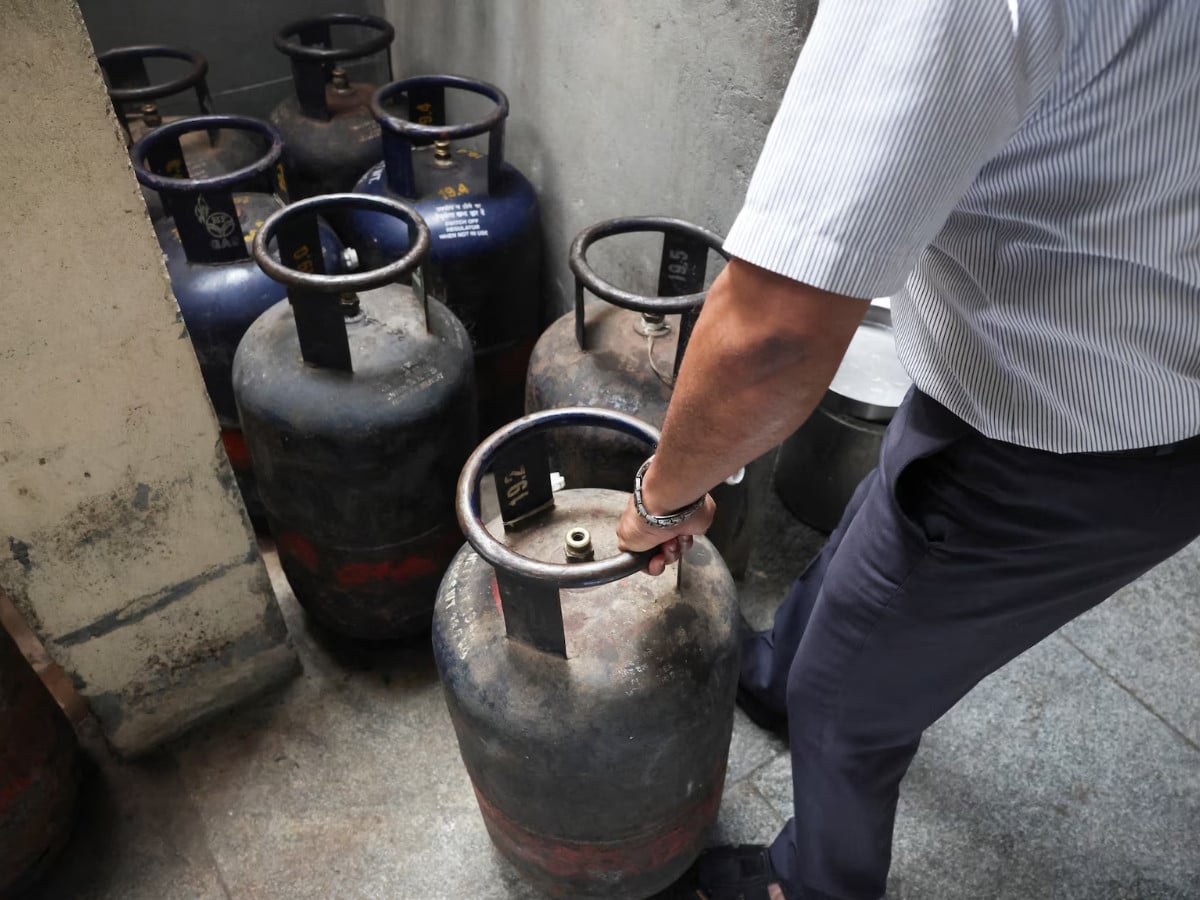
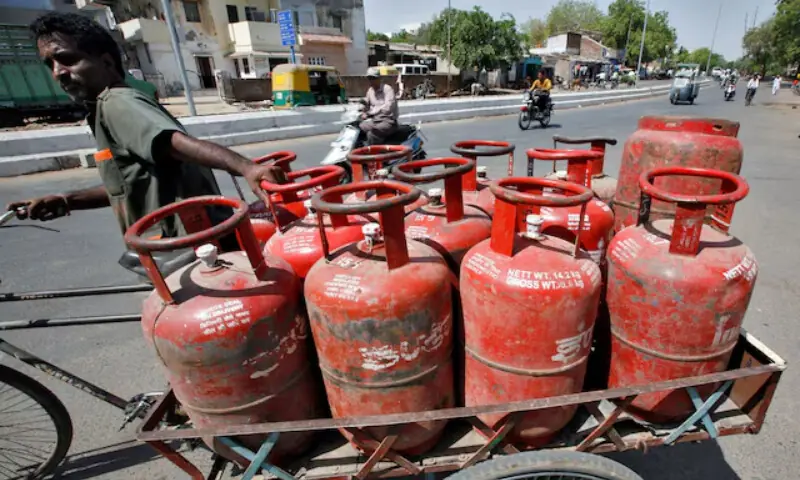
An LPG shortage and high market prices have slowed Hyderabad’s traditional bangle industry, with factory output backing up as home-based workers struggle to finish products. Industry representatives say only about 25pc of supplies are reaching the market.

June 28, 2026
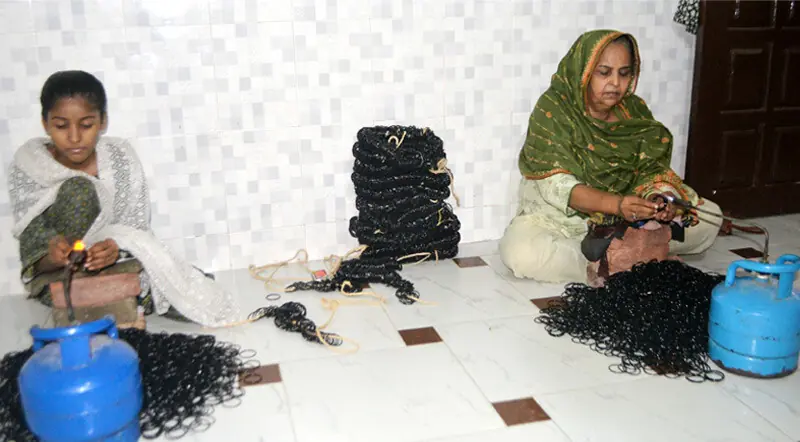
HYDERABAD: A shortage of liquefied petroleum gas (LPG) and steep prices in the local market are disrupting Hyderabad’s traditional bangle industry, with factory owners and home-based workers saying production has slowed sharply because key finishing processes cannot be completed.
The industry, centred largely in Hyderabad, supports a wide network of home-based labour, especially women and girls who carry out finishing work to help sustain household incomes. The problem has deepened as natural gas supply has remained restricted for a long time, including for domestic users, while LPG has either been hard to obtain or sold at rates far above the regulated price.
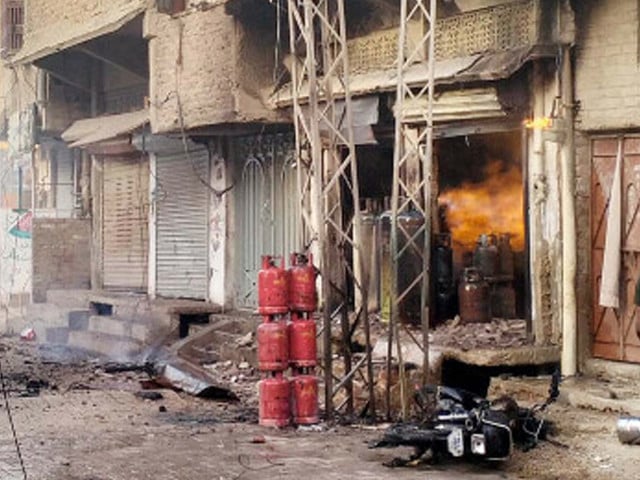
LPG supplies shrank significantly after the administration began cracking down on illegal sales following the May 30, 2024 tragedy in Paretabad, where 27 people died, including 19 children, in a middle-class neighbourhood.
Glass Bangle Manufacturers Association President Saleem Khan said the disruption has forced some units to suspend operations because unfinished stock keeps piling up when home-based workers cannot complete the next stages.
He said that because women were unable to finish the remaining work on raw bangles, output produced in factories was left unused. He added that factories also receive no gas during peak hours.
Home-based processes affected
Glass bangles pass through several stages before reaching the market. Women working from their homes handle multiple parts of the process, particularly the stages known as saddaee and jooraee.
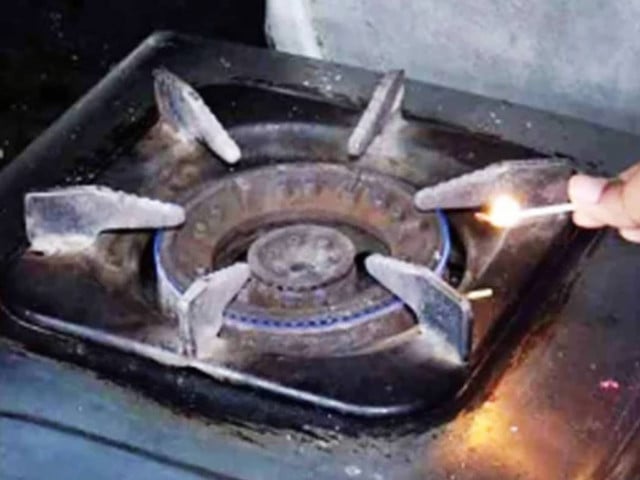
Jooraee involves joining the two ends of a bangle over a flame, while sadai is used to smooth the surface by placing the bangle on a large tray and applying flame gently. These tasks are typically done at home using either natural gas or LPG.
Much of this work is carried out in low-income localities, where women, young girls and children contribute to family earnings through bangle work. Areas identified as centres of this activity include Unit-5, Unit-10 and Unit-12 in Latifabad, along with Quaidabad, Liaquat Colony and Gujarat Para.
Workers and traders cite rising costs
Jamila Abdul Latif, who leads the workers’ union, said wages for unfinished bangles were around Rs7 per bunch, or tora, until two decades ago, and have now risen to Rs27 per bunch. She said workers are struggling to continue because LPG is either unavailable or too expensive.
She also said that because natural gas supply was already restricted, workers had to obtain LPG from distant areas, increasing their costs and making it harder for them to earn a livelihood.
Hyderabad Small Chamber President Saleem Memon said LPG was being sold for Rs450 to Rs500 per kilo despite a regulated price of Rs309 per kilo. He described the situation as exploitation of consumers and said the shortage of natural gas was creating serious difficulties not only for households but also for other sectors.
He said only around 25 per cent of bangle supplies were currently reaching the market. Even when factories receive natural gas, production losses continue because the work done in homes remains incomplete.
0 Comments
No comments yet. Be the first to join the discussion!