June 27, 2026
Germany and Italy swelter as European heatwave pushes east
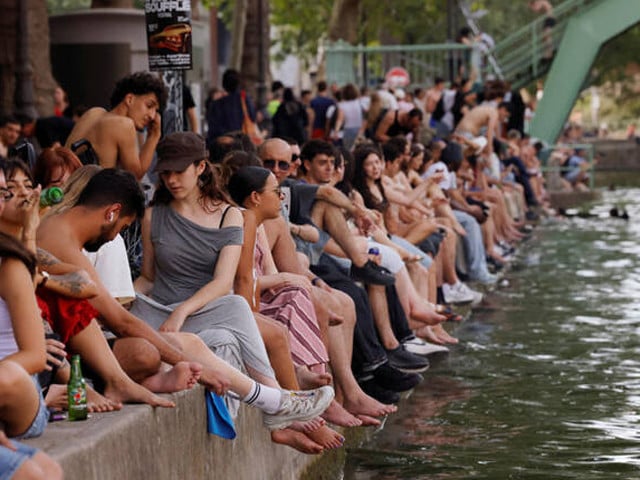
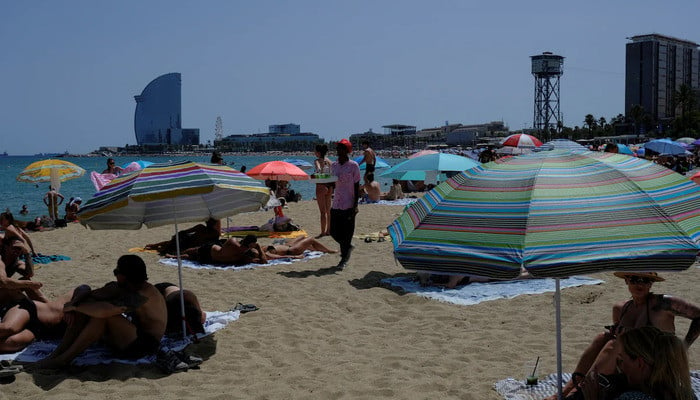
Germany and Italy faced severe heat on Saturday as a European heatwave spread east after temperatures topped 40°C. Authorities issued warnings, altered transport and events, and urged water conservation.

June 27, 2026
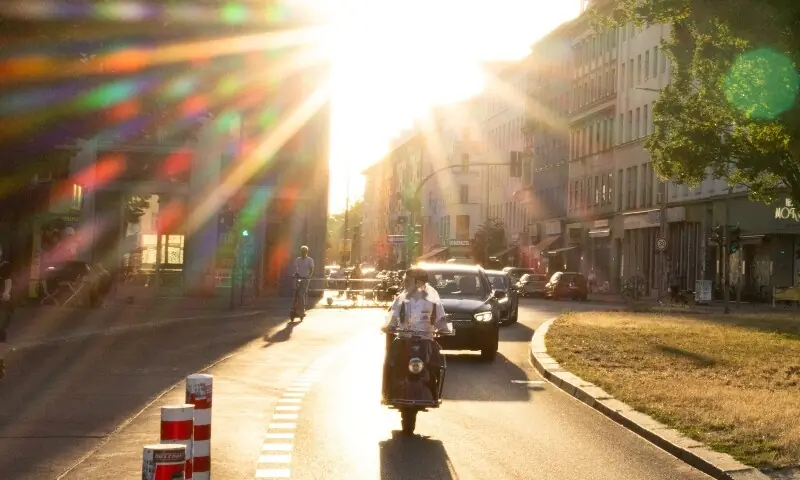
BERLIN: Germany and Italy remained in the grip of intense heat on Saturday as a European heatwave moved east after temperatures climbed past 40°C and records were broken in several countries.
Britain, France, Switzerland and Germany have all recorded unprecedented June heat, while the weather system was expected to continue across Germany towards Poland. Scientists said the heatwave would have been virtually impossible without man-made climate change, adding that this week’s night-time temperatures were 100 times more likely than they would have been even 20 years ago.
A spokesperson for Germany’s National Meteorological Service said a preliminary national record of 41.3°C was registered on Friday near Saarbruecken, close to the French border. The agency issued extreme heat warnings for almost the entire country on Saturday and said temperatures of around 36°C were expected widely, with local peaks that could reach 42°C.
Warnings, deaths and disruptions
In France, dozens of people, both young and old, have died during the heatwave. Temperatures above 40°C have disrupted rail services and electricity generation, while also leading to alcohol bans, school closures and the postponement of outdoor events.
Karsten Brandt, a meteorologist at the forecasting website Donnerwetter.de, said the hottest conditions in Germany were expected over the weekend.
“The heatwave is going to peak at the weekend at well over 40 degrees in some parts of Germany,” he stated.
The Ironman European Championship long-distance triathlon scheduled for Sunday in Frankfurt shortened its cycling and running segments because of the heat, organisers said.
Italy’s health ministry issued a red alert for 18 cities for Saturday and Sunday, including Milan, Rome, Turin, Venice, Genoa, Florence and Bologna. Temperatures in some areas were forecast to rise as high as 39°C.
Italian singer Loredana Berte said she had cancelled a concert due on Sunday in Bergamo on the advice of her management and medical staff.
“Performing under these conditions would pose a real risk to my health,” Berte wrote on X.
Pressure on transport and water supplies
With concern growing over damage to infrastructure, including roads deforming and rail tracks expanding, major public service operators took steps to reduce travel. German rail operator Deutsche Bahn allowed passengers to cancel long-distance bookings free of charge into early next week because of the heatwave.
The company said its infrastructure was under particular pressure because of direct sun exposure and additional threats to signals, tracks and overhead wires from thunderstorms and wildfires. National Express also said it would suspend trains on its Rhine-Ruhr-Express route on Saturday afternoon in North Rhine-Westphalia as a precaution against unplanned service stoppages.
Andre Berghegger, chief executive of the German Association of Towns and Municipalities, urged people to conserve water.
“We should rely on voluntary cooperation as long as possible; local authorities should only issue bans if that doesn’t work,” he told the Neue Osnabruecker Zeitung newspaper.
Heat driven by omega block
The most severe heat was forecast to begin easing over the weekend, with heavy thunderstorms expected on Sunday. Across Europe, the heatwave has forced the closure of cultural sites, hurt farming and placed strain on some hospitals.
According to the Reuters Climate Monitor, temperatures have risen to as much as 18°C above seasonal norms. The heat has been driven by an Omega block, a weather pattern that traps a large mass of hot air over regions for extended periods while cooler air remains around its edges.
Demand for electric fans has surged, and Asian air-conditioning manufacturers have reported a jump in European sales. Much of Northern Europe’s housing stock was designed to retain heat rather than cope with extreme high temperatures. The World Meteorological Organisation said the current heatwave would begin shifting by the end of the month towards Central Europe and the Balkans.
0 Comments
No comments yet. Be the first to join the discussion!