

Jamshoro coal conversion could save Pakistan $3.24 billion
Pakistan could save $3.239 billion over 26 years by converting Jamshoro Unit-01 from imported coal to Thar lignite, the Power Division says. The ministry said the project is technically feasible and would also reduce foreign exchange outflows.

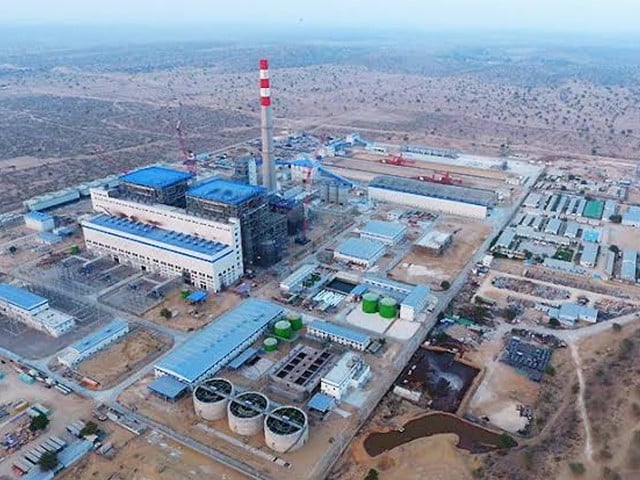
ISLAMABAD: Pakistan could save $3.239 billion over the next 26 years by converting the Jamshoro Unit-01 power plant from imported coal to entirely indigenous Thar lignite, according to the Ministry of Energy’s Power Division.
The ministry said the projected savings include $2.113 billion in foreign exchange. It cited a bankable feasibility study prepared by Dornier Group and EY Parthenon, which found that the proposed shift is technically workable, economically attractive and environmentally manageable.
According to the ministry, the conversion would require specific engineering changes rather than a full boiler retrofit, allowing the existing ultra-supercritical plant asset to be retained. It said the project has a cost-benefit ratio of 1.8 times and remains viable across all sensitivity scenarios assessed in the study.
The Power Division said total net benefits over the 26-year life of the project would include $1.720 billion in power sector gains and $1.519 billion in government savings through lower interest costs on foreign borrowing. It said the power sector benefits comprise $1.051 billion in generation cost savings and $669 million linked to expansion of the Thar mine.
The ministry put conversion capital expenditure at $86.2 million and the total project cost at $116.6 million. Federal Minister for Power Sardar Awais Ahmed Khan Leghari was briefed on the study, which the ministry said was completed with support from K-Electric, Jamshoro Power Company Limited and the Private Power and Infrastructure Board.
According to the ministry, a high-level steering committee held 38 sessions to oversee and speed up the initiative, while the minister himself chaired 15 of those meetings. It said the plan stems from the prime minister’s power sector reform agenda and is part of broader efforts to increase the use of domestic fuel sources.
The Power Division described the project as a bankability-led brownfield modification being pursued through a stage-gate implementation approach and said it does not add any new coal-based generation capacity. It also said the switch to Thar lignite would support wider economic activity by encouraging mine expansion in Tharparkar, creating jobs and helping infrastructure development in a region it described as among the country’s most underserved.
The ministry said moving away from imported coal would reduce exposure to international price swings, exchange-rate pressures and supply chain disruptions, helping strengthen energy self-sufficiency. It added that, following presentation of the study, the next phase would focus on implementation readiness, including final policy approval, lender consent work, preparation of the regulatory consent and contract matrix, and the launch of basic design tender verification covering modelling, mill tests and balance-of-plant modifications.
Comments
No comments yet. Be the first to join the discussion!


