

June 17, 2026
Supreme Court warns against using litigation to harass women
The Supreme Court has ruled that using litigation to intimidate or defame a woman constitutes abuse against women. It dismissed an ex-husband’s petition in a marital dispute and ordered him to pay Rs500,000 in costs.

June 17, 2026
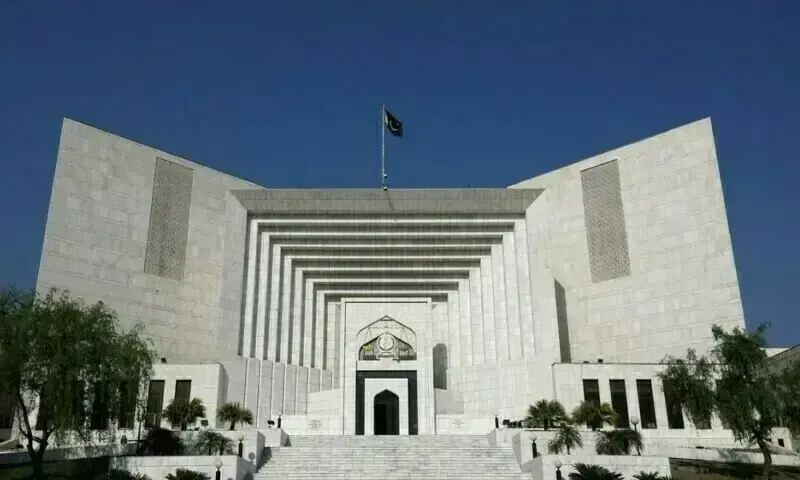
ISLAMABAD: The Supreme Court on Tuesday ruled that the use of court proceedings to harass, humiliate or damage a woman’s reputation amounts to abuse against women, while dismissing a petition in a long-running marital dispute and imposing Rs500,000 in costs on the ex-husband.
The ruling was issued by a three-member bench headed by Chief Justice of Pakistan Yahya Afridi and comprising Justice Muhammad Shafi Siddiqui and Justice Miangul Hassan Aurangzeb. The judgement, authored by Justice Afridi, arose from a petition filed by Sultan against a 2018 decision of the Peshawar High Court.
The case concerned a marital dispute that, according to the judgement, had legally ended more than a decade earlier but continued to affect the life of Roshi Zeb, the divorced wife and respondent. The court said the central issue was not the legality of the khula, but the petitioner’s continued refusal to accept the lawful dissolution of the marriage and his resort to legal proceedings to harass the respondent for exercising her legal rights.
During family court proceedings, the judgement noted, the petitioner did not comply with interim custody orders and described the respondent as a woman of loose character after she accused him of assaulting her, forcing her out of the matrimonial home, and keeping custody of their four-year-old daughter.
Court details pattern of conduct
The Supreme Court said that despite the khula decree, the petitioner did not accept the finality of the divorce. After the respondent completed her iddat period and remarried, he initiated further litigation, including an application under Section 22-A of the Criminal Procedure Code seeking the registration of a criminal case against her.
He claimed that she was still his lawful wife and had entered into a second marriage while the first marriage remained intact. The judgement also said he made baseless allegations regarding the respondent’s sister. The court noted that both writ petitions filed by the petitioner before the Peshawar High Court had already been dismissed in February 2018, but the litigation continued.
Justice Afridi said the court was conscious of continuing abuse faced by women across the country. “The Supreme Court is not oblivious to the disturbing instances of abuse against women that continue to come to light across the country,” he said.
The nine-page judgement said that, given the vulnerabilities women face in society, such conduct can damage their social standing and professional prospects and discourage them from seeking legal and institutional protection. It added that where a woman has remarried, such actions may also endanger settled family arrangements and personal security.
The judgement stressed that courts should not allow judicial processes to be used as tools of intimidation or as means to continue abuse against women in physical, psychological, social or legal forms. “No court ought to permit its processes to be reduced to instruments of intimidation or to become vehicles for the perpetuation of abuse against women, whether physical, psychological, social or legal in nature,” he stated.
The court further said that frivolous and vexatious litigation, especially when pursued to cause personal or reputational harm, should invite a firm judicial response, including appropriate costs.
Petition dismissed with costs
Declaring the petition without merit, the Supreme Court held that it was based on false premises, pursued obstinately, and intended not to obtain justice but to intimidate and punish the respondent for exercising her legal and religious rights. It therefore dismissed the petition and ordered the petitioner to pay Rs500,000 to the respondent within 30 days.
The judgement said that if the amount is not paid within the stipulated time, it will be recoverable through execution proceedings before the relevant family court.
0 Comments
No comments yet. Be the first to join the discussion!


