June 15, 2026
Shimla Hill caught in grip of growing ecological crisis
Environmental observers say recurring fires and weak conservation management are accelerating ecological damage at Abbottabad’s Shimla Hill. Experts have called for a dedicated protection framework, fire prevention and habitat restoration.

June 15, 2026
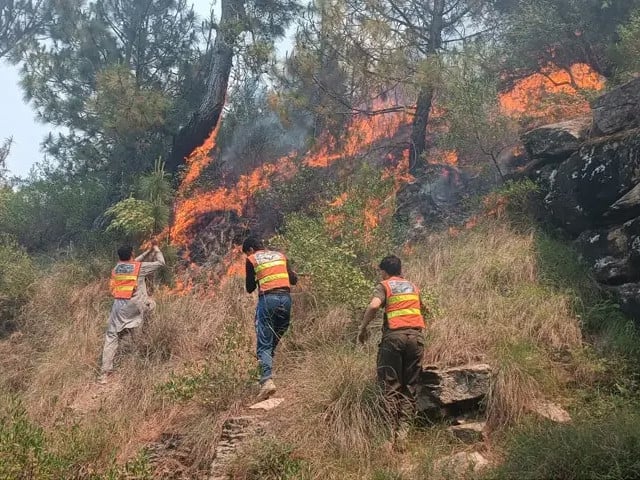
ABBOTTABAD: Shimla Hill, regarded as one of Abbottabad’s remaining green belts and an ecologically important natural area, is coming under increasing pressure from repeated fires and the absence of a management system focused on conservation, according to environmental observers.
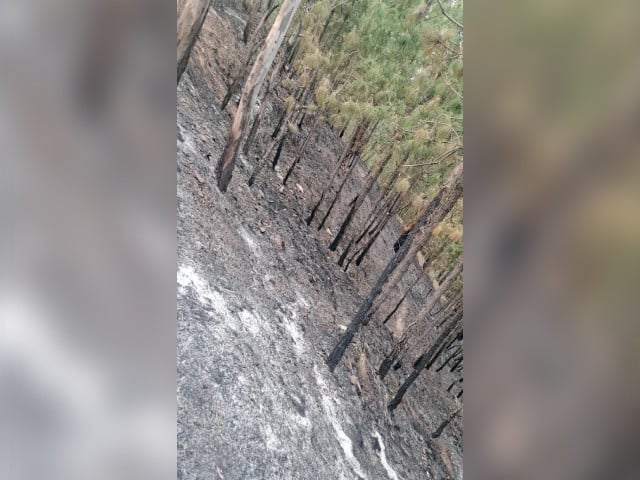
Observers say fires break out on the hill almost every year, damaging vegetation, affecting forest regeneration, disrupting wildlife habitats and reducing biodiversity. In the ongoing fire season, several incidents have been reported from different parts of Shimla Hill, intensifying concern over the site’s exposure to environmental harm and the lack of adequate prevention and response arrangements.
The repeated damage has raised alarm among conservationists, who say the area’s ecological condition is deteriorating quickly. They point out that although Shimla Hill falls under the administrative control of the Tehsil Municipal Administration Abbottabad, the institution’s main legal and operational responsibilities are tied to municipal functions and urban management rather than ecological protection.
According to experts, issues such as forest fire control, habitat preservation, biodiversity protection and broader ecosystem management are outside the TMA’s core expertise, which has contributed to insufficient attention to the hill’s environmental importance.
Concerns over trees and development work
Environmentalists also say the area’s problems are not limited to recurring fires. They note that a number of mature and decades-old trees have been affected by unplanned development activity. In particular, the covering of tree trunks and root zones with concrete structures has harmed tree health, limited natural growth and increased the vulnerability of these long-standing natural assets.
Shimla Hill plays several ecological roles for Abbottabad, including helping improve air quality, moderating local temperatures, reducing soil erosion, supporting biodiversity and offering recreational space for residents. Conservation observers warn that continued neglect, along with the absence of proper fire prevention and habitat recovery efforts, is putting these environmental functions at risk.
Call for a dedicated conservation framework
Conservation experts have urged the authorities to move quickly to protect the area by creating a dedicated ecological management framework. They have also called for stronger fire prevention measures, habitat restoration efforts and better coordination between the relevant government departments.
They warned that if timely and effective steps are not taken, the ongoing degradation of Shimla Hill could lead to irreversible environmental damage and deprive Abbottabad of one of its most valuable natural assets.
0 Comments
No comments yet. Be the first to join the discussion!