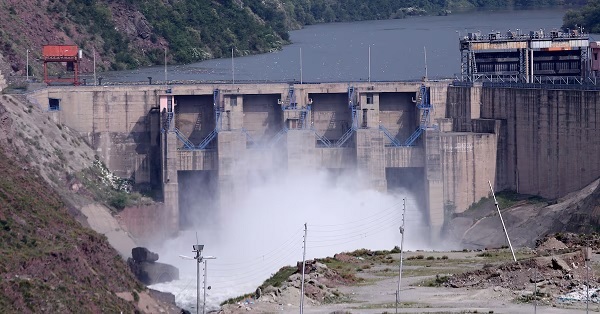
India says it is working to stop water flows to Pakistan
India’s water minister says New Delhi is working to ensure no water flows to Pakistan after suspending its participation in the Indus Water Treaty. Pakistan says the treaty remains in force and has warned against using water as a weapon.

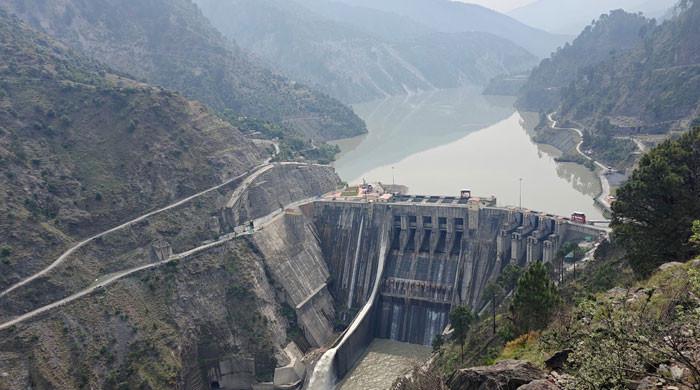
NEW DELHI: India is working on measures to ensure that water does not flow into Pakistan, its water minister has said, months after New Delhi announced the suspension of its participation in the Indus Water Treaty.
Water Minister CR Patil said late Tuesday that the Indian government was acting on directives from Prime Minister Narendra Modi. He said India was actively pursuing the effort and added:
"It is certain, not a single drop of water will go [to Pakistan] in the coming years,"The 1960 Indus Water Treaty regulates the use of six rivers whose headwaters are in India and which flow into Pakistan through the Indus basin. The river system supports hundreds of millions of people. The Indus also runs through the divided region of disputed, Muslim-majority Kashmir.
Pakistan has previously maintained that any move to alter the flow of shared rivers would amount to an act of war. Islamabad has also said the treaty remains valid because it contains no provision allowing either side to withdraw from it unilaterally.
India said in May 2025 that it had suspended its participation in the treaty after accusing Pakistan of supporting a deadly attack on tourists in Indian Illegally Occupied Jammu and Kashmir. Pakistan rejected the allegation.
The dispute over water has since remained a major source of friction. Last month, Minister for Climate Change and Environmental Coordination Musadik Malik said India was trying to politicise shared water resources in breach of long-standing international obligations, including the Indus Water Treaty. He warned that undermining international water-sharing arrangements could threaten the rights of downstream countries.
Speaking on the issue, Malik said:
He said no country should be allowed to use water as a weapon or suspend international agreements unilaterally while denying other states their lawful water entitlements.
Earlier this month, Pakistan also accused India of seeking to weaponise water after New Delhi announced two initiatives on the Chenab River section under its control.
In May, India’s state-owned National Hydroelectric Power Corporation issued a tender for a proposed tunnel scheme to transfer water from the Chenab River to the Beas Basin. Earlier, in January, India’s power ministry said sediment removal work was being carried out at the Salal Power Station on the Chenab River following what it described as the termination of the Indus Waters Treaty.
Experts said India’s existing dams do not currently have the capacity to completely stop or divert river flows and can only influence the timing of water releases. Even so, any reduction in flows would have serious consequences for Pakistan’s agriculture and wider economy.
An official in Indian Illegally Occupied Jammu and Kashmir said any such work would not be possible to begin before mid-2027 and would require at least five years to complete.
1 Comment
No comments yet. Be the first to join the discussion!