

SC upholds life term in acid attack case
The Supreme Court has upheld life imprisonment for a man convicted in a 2019 acid attack in Faisalabad and ordered Rs1 million in compensation for the victim. It also issued broad directions on speedy trials, acid sale controls and rehabilitation for survivors.

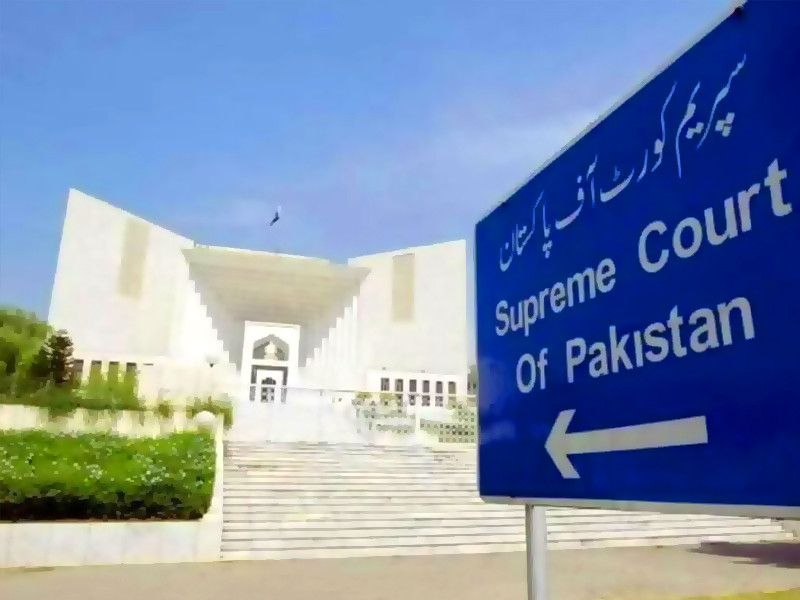
ISLAMABAD: The Supreme Court has upheld the life imprisonment of a man convicted in an acid attack case, rejecting his request for leniency on the basis of age and describing such assaults as even more brutal than murder.
In a 14-page judgment authored by Justice Muhammad Hashim Khan Kakar, the court dismissed the appeal of Abdul Mannan, who was convicted of throwing acid on Iqra Parveen in Faisalabad in September 2019. The ruling also directed the convict to pay Rs1 million in compensation to the victim, who the court noted had suffered permanent injuries and disfigurement.
The case was heard by a three-member bench headed by Justice Kakar and comprising Justice Salahuddin Panhwar and Justice Ishtiaq Ibrahim. The court ruled that minority or young age could not be invoked as protection in heinous and pre-planned offences, and said acid attacks inflict enduring suffering on victims.
In the judgment, the court said: "Murder ends a life once, but an acid attack victim suffers daily, living like a living corpse."
Beyond the appeal, the Supreme Court issued a series of directions aimed at preventing acid violence and strengthening the response to such crimes. It instructed all high courts to ensure that trials in acid attack cases are concluded within four months in line with the law, and to personally oversee such proceedings so delays do not add to victims' trauma.
The court also ordered an immediate and complete ban on the open sale of acid to the general public, saying its unchecked availability poses a serious threat. It further called for the creation of a centralised biometric and digital mechanism to regulate acid sales and purchases. Under that system, buyers' identities would have to be recorded, including national identity card details and biometric verification such as thumb impressions.
The judgment also asked the government to establish a National Acid Survivors' Rehabilitation Fund for victims' support. It directed the state to cover the costs of plastic surgery and psychological treatment for survivors of acid attacks.
In addition, the court said victims left permanently disabled or unable to work because of such attacks should be provided a monthly stipend. It also directed that such survivors be issued disability certificates and be given special quotas in government employment, educational institutions and welfare programmes.
The judgment stressed the need for broader social and psychological rehabilitation, referring to the social death faced by acid attack survivors. It also called for national rehabilitation guidelines to ensure lifelong care and support through dedicated funding.
Comments
No comments yet. Be the first to join the discussion!


