

Punjab signals housing, education and e-buses as key FY27 budget priorities
Punjab has outlined housing, education, agriculture, climate resilience and electric buses as major priorities for its FY27 budget. Finance Minister Mian Mujtaba Shujaur Rehman presented the plans during a pre-budget consultation in Lahore.

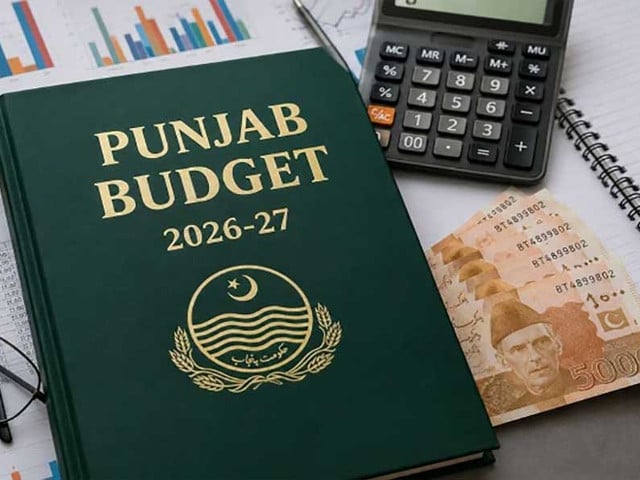
LAHORE: Punjab is shaping its budget for fiscal year 2026-27 around fiscal discipline, infrastructure expansion, social protection, climate resilience and economic empowerment, Finance Minister Mian Mujtaba Shujaur Rehman said during a pre-budget consultation session on Monday.
Addressing representatives from industry, trade bodies, academia, media and civil society, the minister said the province's finances had come under strain in recent years because of inflation, economic uncertainty, climate-related disasters and restricted fiscal space. He said floods and other extreme weather events affecting large parts of Punjab had compelled the government to divert major resources towards relief, rehabilitation and reconstruction.
Rehman said the provincial administration had continued development spending while also pursuing austerity measures. According to the minister, the government cut discretionary expenditure, reduced administrative costs and imposed curbs on non-essential spending in an effort to direct funds towards public welfare and development schemes.
Housing and infrastructure
The minister said housing and regional development remained central to the government's agenda. Under the Apni Chhat, Apna Ghar programme, more than Rs206 billion has been allocated, including Rs140 billion for low-income families to build their own homes. Officials said over 133,000 loans had been issued, leading to thousands of housing units being completed or currently under construction.
He said infrastructure development was another major pillar of the provincial strategy. The Lahore Development Programme, with an estimated cost of nearly Rs148 billion, is intended to improve civic facilities and urban infrastructure. At the same time, the Suthra Punjab initiative has expanded sanitation and municipal services in both urban and rural areas.
Education, agriculture and youth support
Education is also set to receive a substantial share of public spending, the minister said. He highlighted investment in school buildings, additional classrooms, modern laboratories and learning facilities. Rehman said programmes including the Chief Minister's Laptop Scheme and the Honhaar Scholarship were being advanced to widen educational access and help students develop skills suited to a technology-driven economy.
Agriculture also features prominently in the province's plans. Through the Kisan Card, farmers have been given easier access to financing and agricultural inputs. Subsidies for modern machinery, tube-well solarisation and mechanisation programmes are aimed at raising productivity while lowering production costs. The measures, according to the briefing, are expected to help farmers deal with rising input prices and changing climatic conditions.
Youth employment and entrepreneurship are also a major part of the government's economic strategy. Under different business financing schemes, billions of rupees in concessional loans have been provided to young entrepreneurs and small businesses. Officials said improved access to capital could support economic activity, generate jobs and strengthen the small and medium enterprise sector.
Climate and transport plans
The government is also placing greater emphasis on climate adaptation and environmental protection. Punjab has announced initiatives involving climate observatories, air-quality monitoring stations, strengthened environmental surveillance systems and water-quality monitoring mechanisms. The move reflects growing official recognition that climate change has become an immediate economic and public health challenge.
Rehman said the province's green transport programme seeks to reshape urban mobility through electric buses. More than 1,400 e-buses are planned for introduction to cut emissions, improve public transport and reduce commuting costs for residents.
With the budget drawing closer, the provincial government faces the challenge of balancing financial constraints with rising public expectations. Rehman said the effectiveness of the FY27 budget would depend not only on the allocations announced, but also on the government's ability to turn its plans into measurable results.
Comments
No comments yet. Be the first to join the discussion!


