June 4, 2026
China to open robot-run hotel on Shenzhen-Zhongshan Link next year
China is set to open what Xinhua described as the world’s first fully robot-operated hotel on the Shenzhen-Zhongshan Link early next year. The project is part of the country’s wider push to deepen AI use in services and manufacturing.

June 4, 2026
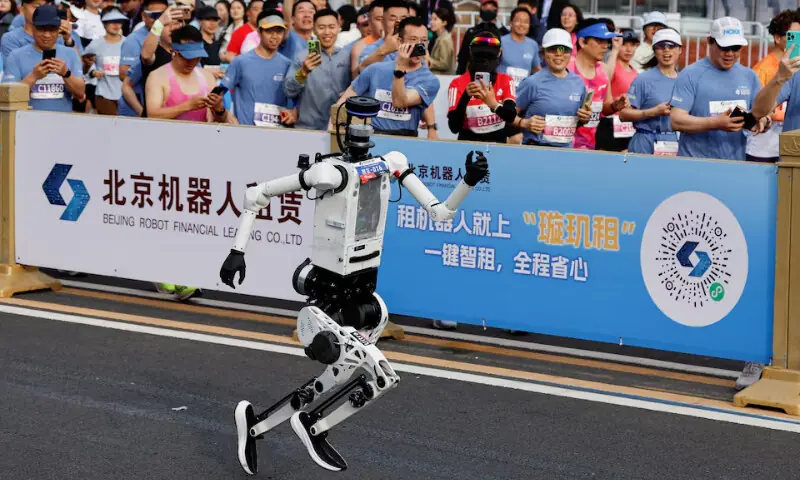
BEIJING: China is preparing to launch what is being billed as the world’s first hotel operated entirely by robots on the western artificial island of the Shenzhen-Zhongshan Link, a major infrastructure scheme in the Guangdong-Hong Kong-Macao Greater Bay Area.
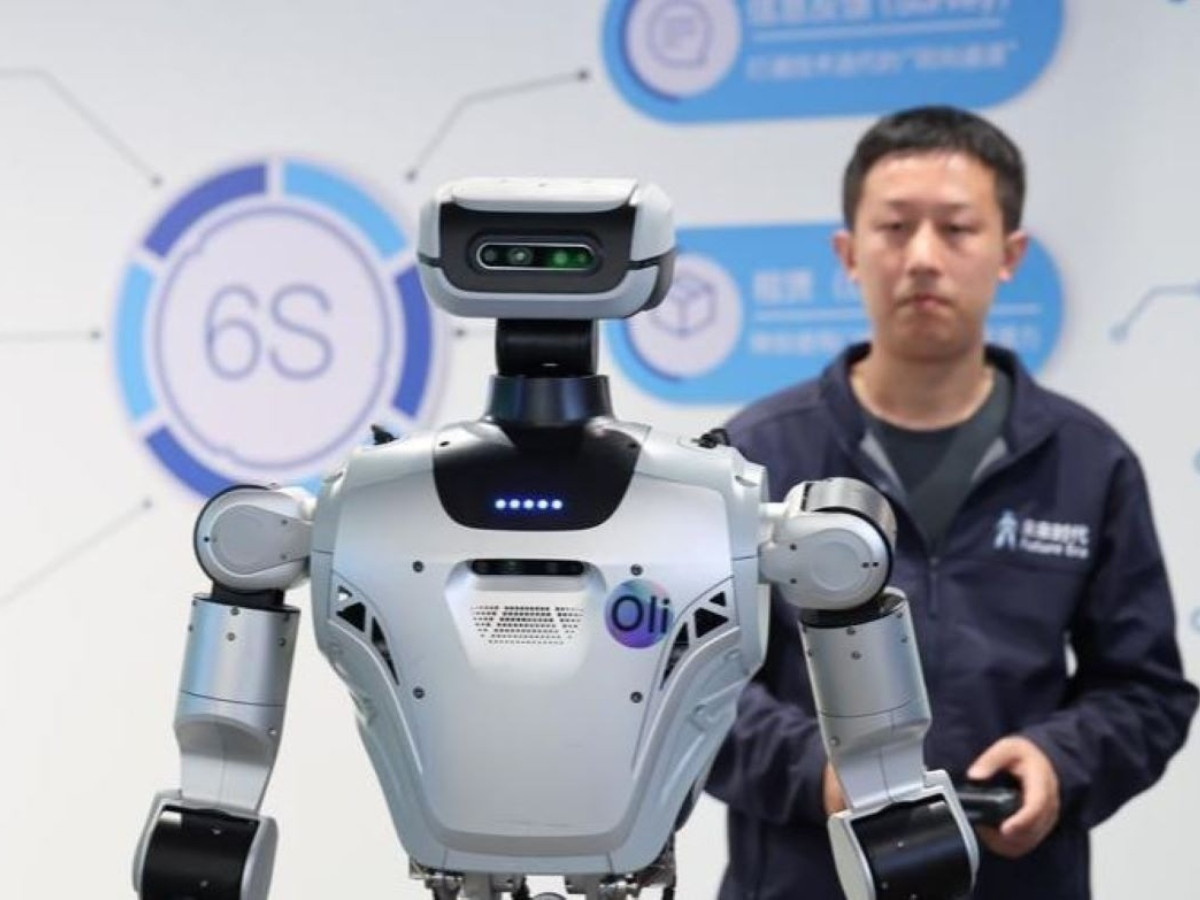
According to Xinhua news agency, the project is designed to remove conventional human service roles and replace them with a fully integrated robotic system covering the full guest experience. Shenzhen-based Pudu Robotics is developing the hotel, where robots are expected to handle reception, baggage, food delivery, housekeeping, cleaning and security patrols.
The project was officially initiated after Shenzhen Cultural Tourism Industry Development Co and Pudu Robotics signed an agreement. At the signing event, demonstrations showed robots carrying out coordinated tasks including greeting visitors, serving meals, clearing tables and maintaining shared areas.
Pudu Robotics co-founder and chief technology officer Guo Cong said the model is intended to keep automation running throughout operations without breaks in service.
"This full-scenario model means robots will be deeply involved in every aspect of operations, with no service gaps,"The hotel is scheduled to begin operations early next year. It will include 44 upscale rooms, along with a restaurant, gym and other amenities, all linked through a closed-loop smart service system.
Part of wider AI push
The hotel project comes as China continues expanding the use of artificial intelligence across the economy. Beijing’s forthcoming 15th Five-Year Plan places emphasis on broad adoption and diffusion of AI in manufacturing and services, a strategy experts said is important for realising the technology’s economic value.
Nobel laureate Michael Spence, speaking in an interview with CGTN, said robotics had advanced quickly but still faced major technical difficulties, especially in developing human-like spatial intelligence.
"This is one of the hardest problems researchers are working on,"China has become a major force in robotics and AI deployment, accounting for about 31 per cent of global manufacturing output. The country has continued making progress in AI innovation despite US semiconductor restrictions, including through alternative approaches to training large models and the growth of open-source AI platforms.
Spence also said the gap between China and the United States in artificial intelligence competition had largely narrowed, while both countries were likely to play a central role in shaping the technology’s future. He also pointed to possible cooperation, especially on limiting harmful uses of AI, and stressed the need for continued dialogue between major powers.
Investment in science and innovation is helping reshape China’s economy, supporting longer-term growth even as the country deals with short-term structural pressures. China’s capital markets are changing quickly, with greater openness expected to offer fresh opportunities for local and overseas investors.
0 Comments
No comments yet. Be the first to join the discussion!