Pakistan-China business cooperation enters new phase as $7.54bn B2B deals gain momentum: PM Shehbaz
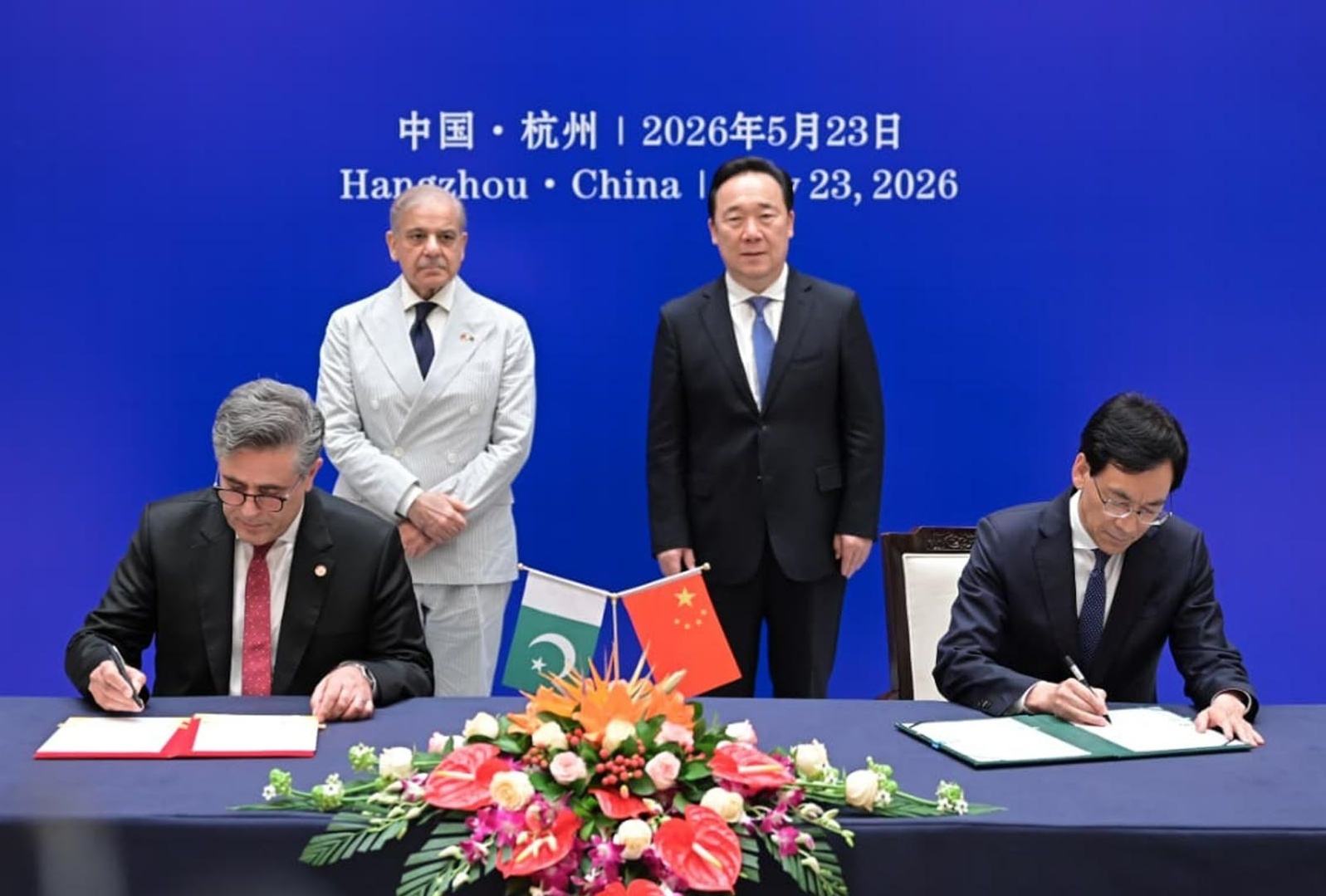
PM Shehbaz Sharif says Pakistan-China private-sector B2B engagement has entered a new phase, with 207 MoUs worth $7.54bn signed in Hangzhou. He urges ministries to convert MoUs into agreements, joint ventures and projects.
ISLAMABAD: Prime Minister Muhammad Shehbaz Sharif on Monday said that the unprecedented expansion in business-to-business engagements between the private sectors of Pakistan and China marked the beginning of a new chapter in bilateral economic cooperation, expressing confidence that the growing partnership would contribute significantly to Pakistan’s economic transformation.
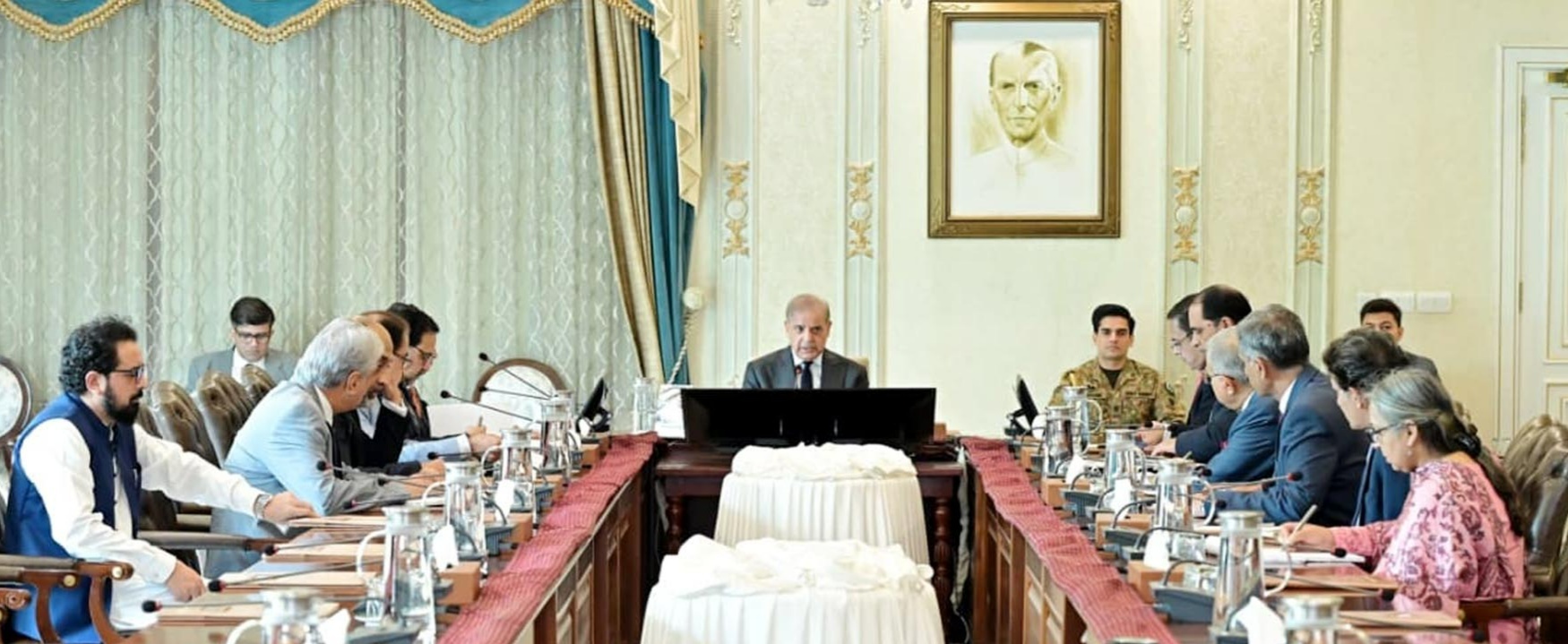
Chairing a high-level review meeting to assess progress on the agreements and memorandums of understanding (MoUs) signed during the Pakistan-China Business-to-Business (B2B) Conference held in Hangzhou, China, the prime minister emphasized that stronger industrial, agricultural and technological collaboration with China would enhance Pakistan’s export potential, attract greater foreign investment and generate thousands of employment opportunities across the country.
According to a statement issued by the Prime Minister’s Office Media Wing, the meeting focused on evaluating the implementation status of the understandings reached during the premier’s recent official visit to China and identifying measures to accelerate the conversion of MoUs into practical investment projects.
Prime Minister Shehbaz directed all relevant ministries, departments and stakeholders to ensure that the MoUs signed during the Hangzhou conference are transformed into formal agreements and joint ventures at the earliest possible stage. He stressed that timely implementation of these understandings was essential to realizing the economic benefits envisioned by both countries.
“The extraordinary level of engagement between the private sectors of Pakistan and China is a highly encouraging development. It reflects the confidence of Chinese investors in Pakistan’s economy and signals the beginning of a new era of mutually beneficial economic cooperation,” the prime minister observed.
The meeting was attended by Federal Ministers Rana Tanveer Hussain, Ahsan Iqbal, Ahad Khan Cheema and Shaza Fatima Khawaja, along with senior government officials and representatives of relevant institutions.
To ensure continuous oversight and effective implementation of the agreements, Prime Minister Shehbaz decided to personally chair monthly review meetings on the outcomes of the Pakistan-China B2B Conference. The move is aimed at removing bureaucratic hurdles, expediting decision-making and maintaining momentum on investment initiatives.
The prime minister also directed authorities to ensure effective implementation of cooperation between the China Academy of Agricultural Sciences and the Pakistan Agricultural Research Council (PARC). He noted that collaboration in agricultural research, modern farming techniques and technology transfer could bring revolutionary changes to Pakistan’s agriculture sector.
He said that Pakistan’s agricultural productivity could be significantly enhanced through the adoption of advanced Chinese technologies, improved seed varieties, modern irrigation systems and joint research initiatives. Such cooperation, he added, would help strengthen food security, increase farmers’ incomes and boost agricultural exports.
During the briefing, participants were informed that the Pakistan-China B2B Conference held in Hangzhou on May 24 attracted an overwhelming response from the business communities of both countries. A total of 123 Pakistani companies and 436 Chinese enterprises participated in the event, demonstrating the growing interest in expanding bilateral trade and investment cooperation.
Officials informed the meeting that 207 MoUs worth approximately US$7.54 billion were signed during the conference, covering a wide range of strategic sectors. These agreements encompass investment and cooperation in battery energy storage systems, artificial intelligence (AI), mobile phone manufacturing, handheld electronic devices and advanced digital technologies.
The conference also produced significant agreements in the agriculture sector, including cooperation in fertilizer production, high-yield seed development, modern irrigation equipment, fisheries and food processing industries.
Participants were further informed that several MoUs focused on promoting joint investments in emerging and high-tech sectors such as biotechnology, pharmaceutical research and vaccine manufacturing. These initiatives are expected to strengthen Pakistan’s industrial base while facilitating technology transfer and skills development.
The prime minister was told that the agreements signed in Hangzhou have the potential to attract substantial foreign direct investment into Pakistan, support industrial modernization and enhance the country’s competitiveness in regional and international markets.
Prime Minister Shehbaz reiterated the government’s commitment to providing a business-friendly environment for foreign investors and ensuring that all investment projects are facilitated through efficient coordination among federal and provincial authorities.
He said Pakistan highly values its all-weather strategic cooperative partnership with China and remains committed to further expanding economic, commercial and technological cooperation under the framework of the China-Pakistan Economic Corridor (CPEC) and broader bilateral engagement.
The prime minister expressed optimism that the outcomes of the Hangzhou conference would translate into tangible economic gains for Pakistan and contribute to sustainable growth, industrial development and job creation in the years ahead.

The writer is Head of News at Pakistan Today. He has a special focus on current affairs, regional and global connectivity, and counterterrorism. He tweets as @mian_abrar and also can be reached at [email protected]
View all articles →Comments
No comments yet. Be the first to join the discussion!