

ICC approves pink-ball trial in Tests to reduce bad-light stoppages
The ICC has approved a trial use of pink balls in Test matches, subject to both teams’ agreement, to reduce stoppages caused by bad light. The board also cleared changes to ODI drinks-break access, T20I interval timing and monitoring of illegal bowling actions.

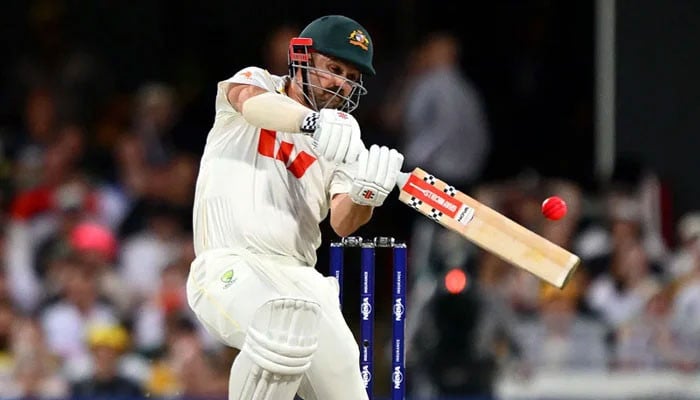
AHMEDABAD: The International Cricket Council has approved a trial of pink balls in Test cricket to try to limit interruptions caused by bad light, according to an ICC statement issued after its executive board meeting on Monday.
The governing body said the trial would be carried out in Test matches if both teams agree beforehand, with the aim of allowing more play when poor light is anticipated. Red balls are the standard in Tests but are harder to pick up as light fades, while white balls used in limited-overs cricket have not proved durable enough for the five-day format. Pink balls are already used in day-night Test matches played under lights.
In the same statement, the ICC said its board had also cleared new research into lighting technology for match officials and venues to help reduce time lost because of poor light. ICC chairman Jay Shah said the discussions at the meeting had underlined the body’s wider priorities.
Our discussions... have reinforced the ICC´s commitment to governance, administration and the growth of cricket globally
Other changes approved by the ICC board
The board also allowed a head coach or another designated member of the support staff to enter the field during drinks breaks in one-day internationals. Under the previous rule, only substitute players could go onto the field to pass on messages during those intervals. Drinks breaks in ODIs are taken twice in an innings, with the intervals one hour and 10 minutes apart.
The ICC further adjusted T20 International playing conditions by shortening the innings interval to 15 minutes from 20 minutes.
Another amendment gives on-field umpires access to HawkEye data during matches to assess bowlers for illegal actions, as part of the ICC’s effort to act against suspect bowling actions.
The decisions were announced following the ICC board meeting in Ahmedabad, India.
Comments
No comments yet. Be the first to join the discussion!


