Poor medical waste disposal threatens public health
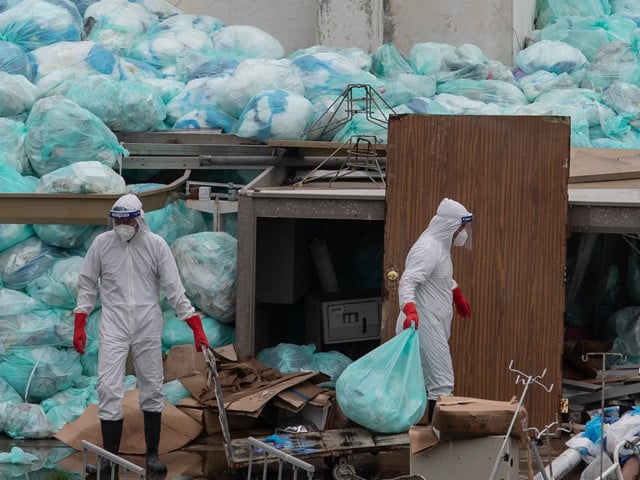
Unsafe disposal of medical waste in the city is raising health concerns, with hazardous hospital material reportedly dumped, recycled and resold. Officials and experts cited weak enforcement, outdated incinerators and inadequate disposal capacity.

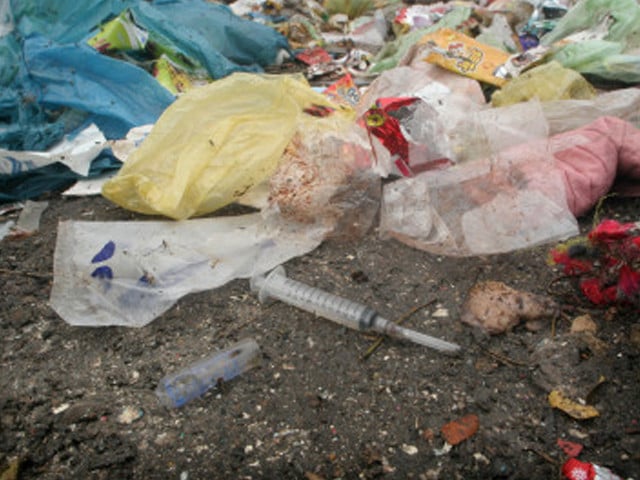
KARACHI: Improper disposal of hospital waste in Karachi is creating a serious public health risk, with hazardous material being mixed with ordinary garbage, dumped at landfill sites, beaches and other places, and in some cases entering illegal recycling channels before returning to the market.
Weak enforcement by the Sindh Environmental Protection Agency (SEPA) and negligence by hospital administrations have allowed the problem to persist for years. After the 18th Amendment, SEPA introduced the Hospital Waste Management Act in 2014, but its implementation has remained minimal. SEPA has largely limited its role to issuing letters to hospitals directing them to follow international disposal standards, while little practical action has been taken against violators.
A Sindh Health Department official, speaking on condition of anonymity, said SEPA had largely failed to enforce its rules, enabling private contractors to collect medical waste from hospitals and resell it in the market. With thousands of healthcare facilities in the city generating waste every day, a significant portion is not being disposed of safely.
Incineration capacity and oversight gaps
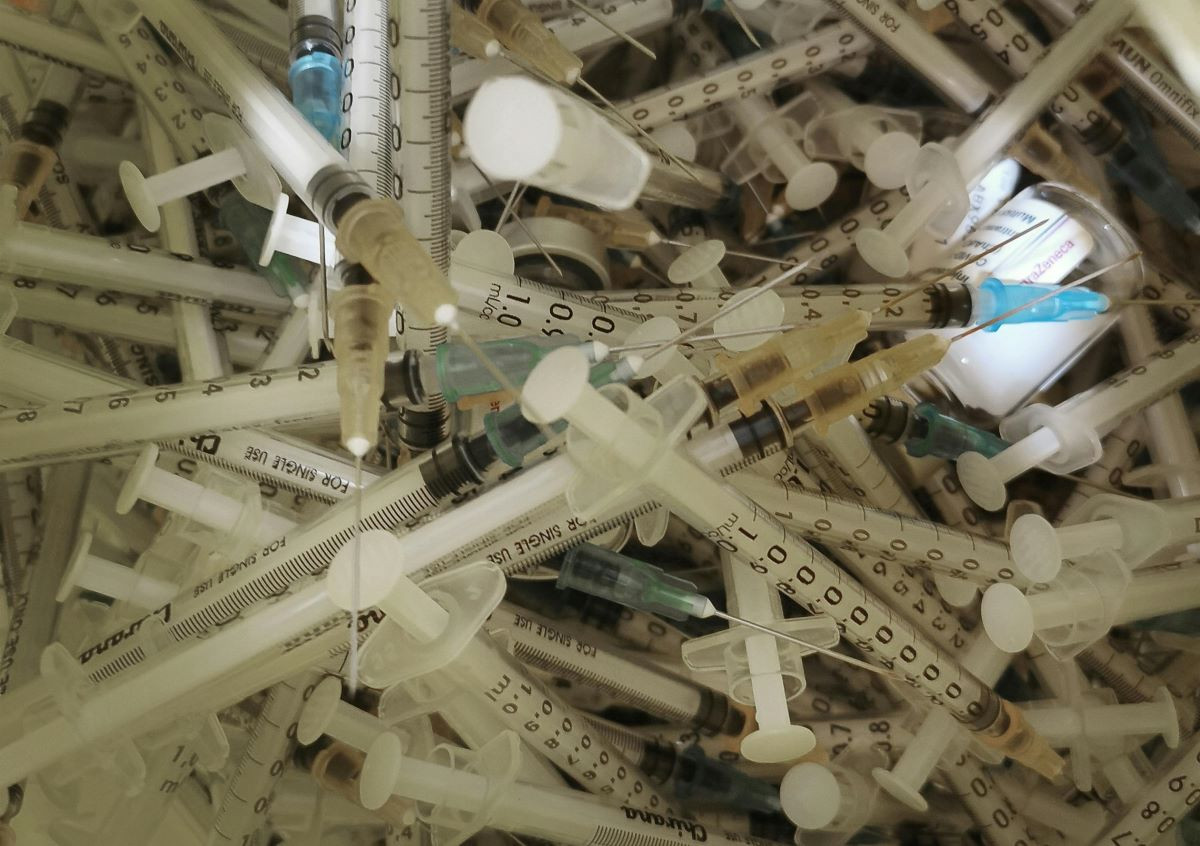
Major incineration facilities are operated by the Karachi Metropolitan Corporation (KMC), while some teaching hospitals also have their own plants. However, many district-level hospitals do not have incinerators, and lower-level staff in some cases sell waste to unregistered or untrained contractors. These contractors recycle items such as syringes and discard the remaining hazardous material into drains and waterways.
Some private hospitals and companies also run incinerators, but their capacity is limited and insufficient for the city’s requirements. KMC’s two incinerator plants, meanwhile, are around 28 years old and have outlived their intended lifespan, although one of them has recently been upgraded.
An unnamed KMC officer said the two plants were installed near Mewa Shah Graveyard in 1998. One plant was upgraded on March 4, while the second remains out of order. Before the upgrade, their output had fallen to between 400 and 600 kilograms per hour, compared with an original capacity of one tonne per hour. The restored plant is now again able to burn one tonne of waste per hour.
"By 2022, 180 hospitals were registered with KMC, but now the number has decreased to 125. All 13 KMC-run public hospitals dispose of their medical waste at KMC's incinerator plants. Some government hospitals have installed their own incinerators, while others rely on private contractors, whose monitoring falls under SEPA's responsibility," the KMC officer said while explaining current usage.
KMC Director of Municipal Services Rashid Baig said one incinerator has already been upgraded and work on the second will follow. He said the city needs at least six additional plants to handle waste generated by all hospitals and clinics.
"At least six more plants are needed to handle medical waste from all hospitals and clinics in the city. Planning is underway under the direction of Karachi Mayor Murtaza Wahab, and with SEPA's cooperation, implementation will begin soon," Baig said.
Waste found during cleanup activity
Regional planner Dr Syed Nawaz-ul-Huda said he had seen evidence of the problem during a beach cleanup drive several years ago, where medical refuse was found mixed with household waste at multiple sites.
"During the campaign, used syringes, blood bags, and other medical waste were found mixed with domestic garbage at several locations. This indicates the absence of an organized system for medical waste disposal." he said recalling that experience.
Dr Nawaz said the legal powers already defined for waste management should be fully delegated to KMC and more incinerator plants should be installed across the city to ensure scientific disposal of medical waste.
Repeated attempts were made to contact SEPA Director Imran Sabir for comment, but no response was received.
Comments
No comments yet. Be the first to join the discussion!