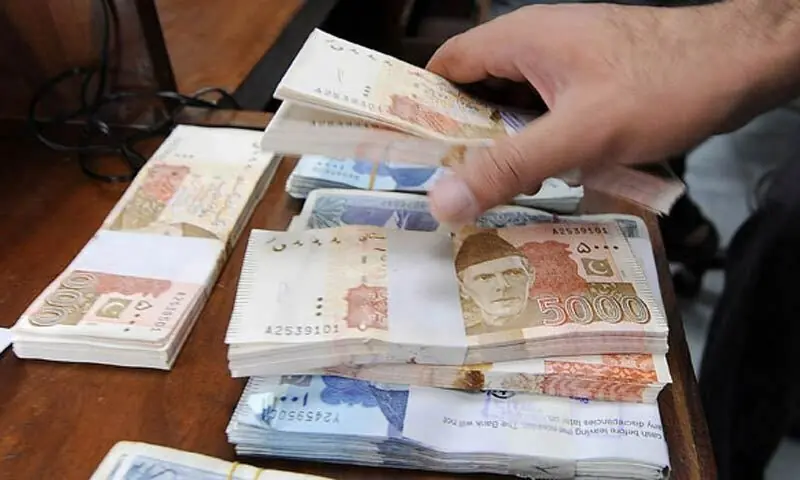
Gulf uncertainty raises concerns over Pakistan remittances
Uncertainty in the Gulf is raising concerns about slower remittance inflows to Pakistan, according to market participants. They also point to pressure on exports, foreign investment and Pakistanis working in the UAE.


KARACHI: Uncertainty in the Gulf has begun to weigh on Pakistan’s economy through several channels, with market participants warning that remittance inflows may lose momentum in the near term.
According to people tracking the foreign exchange market, remittances may have slowed in May and could face additional strain in the next fiscal year. One currency expert said the market had noticed weaker inflows despite Eidul Azha, a period when overseas Pakistanis typically send more money home.
“We deal with the exchange market and the market is getting the feeling that despite Eidul Azha, inflows were not high. Pakistanis usually send higher remittances to celebrate Eid,” he stated.
A currency dealer said April remittances were down by nearly $300 million from March, when inflows had reached $3.831 billion, the highest level in FY26. The dealer noted that March also included the final 10 days of Ramazan, a period when remittances usually increase.
Pressure on external inflows
The reports of weaker remittances come as other sources of foreign exchange have already been under pressure. During the first 10 months of FY26, from July to April, net foreign direct investment fell to $1.4 billion from $2 billion in the same period a year earlier, marking a decline of 31pc.
At the same time, the equity market and domestic bonds recorded a combined net outflow of about half a billion dollars during FY26. Remittances from overseas Pakistanis continue to be described by financial experts as the cheapest source of foreign exchange for the country.
Pakistan has also tapped debt markets for short-term financing. In April, it raised $750 million through Eurobonds and secured 1.75 billion Chinese yuan, equivalent to $250 million, through Panda Bonds. Financial experts said the country’s standing in terms of borrowing from international markets had improved, but its appeal for foreign investment remained very weak.
Concerns linked to the Gulf
Market sources said Pakistan was already facing some of the highest petroleum prices in the region, increasing production and transport costs and reducing the competitiveness of exports in global markets.
A currency expert said social media reports about Pakistani workers in the UAE gradually losing jobs had some basis, though there is no official data on workers returning home. Separately, market sources said Pakistani technology companies that had moved to Dubai in large numbers before the US-Israel war on Iran were now encountering problems as the tense regional environment persisted.
People associated with businesses in Dubai said the city had been among the business centres most affected during the crisis, hurting its reputation as a safe haven. They added that tourism had slowed sharply and the property market had also become less attractive. According to them, Pakistanis employed in those sectors could face growing difficulty in remaining there if conditions do not improve.
Comments
No comments yet. Be the first to join the discussion!