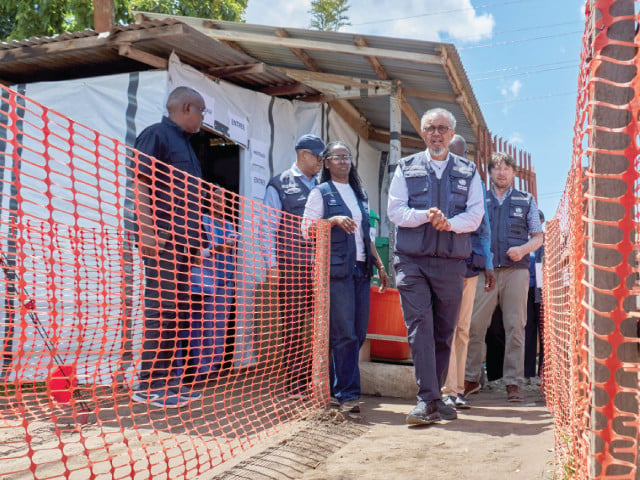
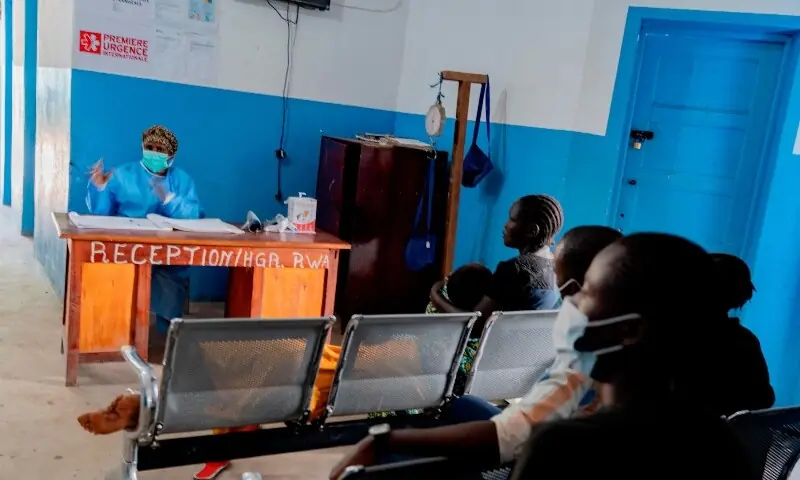
WHO chief visits DR Congo province at centre of Ebola outbreak
WHO chief Tedros Adhanom Ghebreyesus visited Ituri in eastern DR Congo as Ebola cases continued to rise. Health officials say the outbreak has spread across three Congolese provinces and into Uganda.

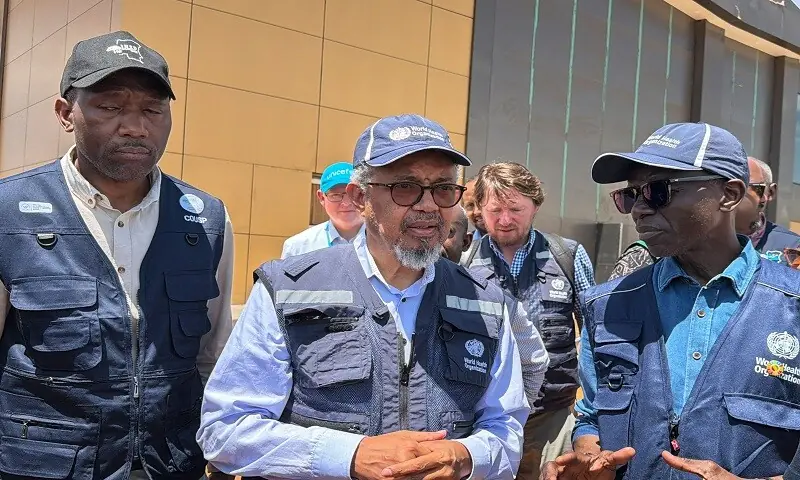
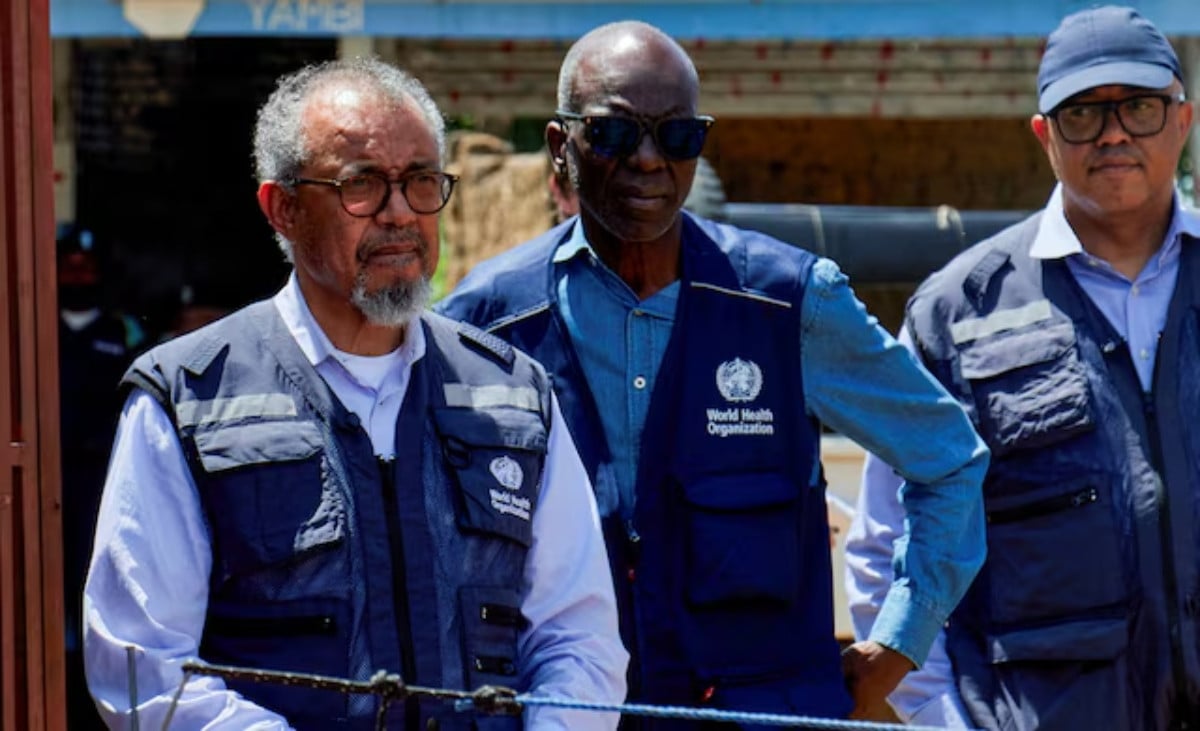
BUNIA: World Health Organisation Director-General Tedros Adhanom Ghebreyesus arrived on Saturday in eastern Democratic Republic of Congo, where Ituri province has emerged as the area hardest hit by a serious Ebola outbreak.
Speaking to reporters in Bunia, the provincial capital, Tedros said the international community was supporting the Congolese government’s response, while stressing the importance of local participation. He said his visit was aimed at engaging directly with residents and assessing how the response was unfolding on the ground.
Tedros told reporters:
at the same time, community ownership is important
He added:
We are here to discuss with the community, to see how the response is running and if there are challenges to help.
Cases reported in Congo and Uganda
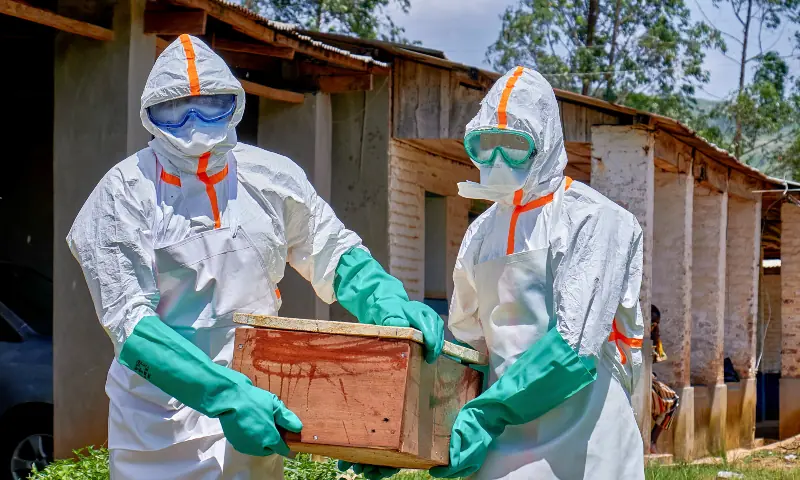
The outbreak of the highly contagious haemorrhagic fever has spread across three eastern provinces of the DRC and has also reached neighbouring Uganda. In Uganda, nine confirmed cases, including one death, have been recorded.
The Africa Centres for Disease Control and Prevention said on Thursday that at least 1,077 suspected Ebola cases had been reported in the DRC since the outbreak was declared on May 15, including 246 deaths. The WHO has warned that the actual scale of the outbreak in Congo is likely to be broader, as the virus is believed to have been circulating before it was identified.
The agency has also pointed to the country’s limited testing capacity. In the vast central African nation, especially in the conflict-affected east, laboratory resources are insufficient to confirm all suspected infections.
Conflict complicates response
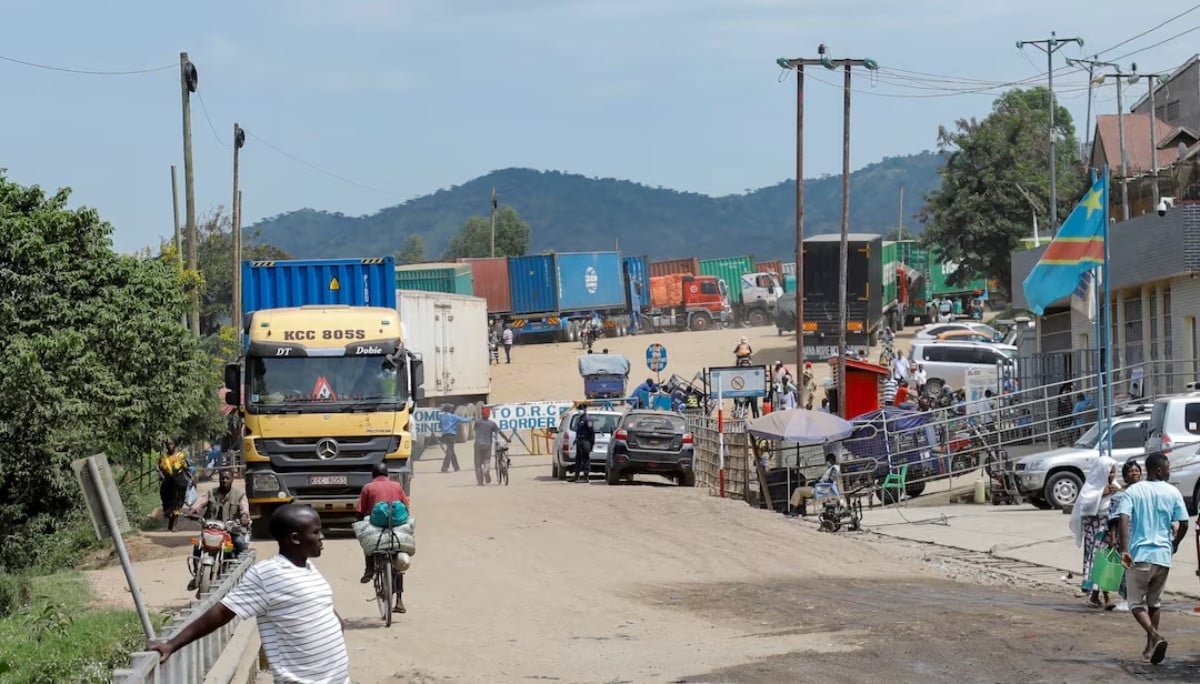
Uganda this week shut its border with the DRC and imposed a 21-day quarantine on anyone entering from across the frontier. On Friday, the WHO said one patient had recovered, left hospital on Wednesday and returned to the community after testing negative twice.
WHO official Anais Legand told reporters in Geneva that this was the "first" recovery among patients confirmed to have Ebola in the current outbreak.
Ebola spreads through close contact and bodily fluids and has killed more than 15,000 people in Africa over the past 50 years. In the DRC, the deadliest previous outbreak caused nearly 2,300 deaths out of 3,500 cases between 2018 and 2020.
Doctors Without Borders said in a statement that
never has an Ebola epidemic recorded so many cases in the first days after it being declared
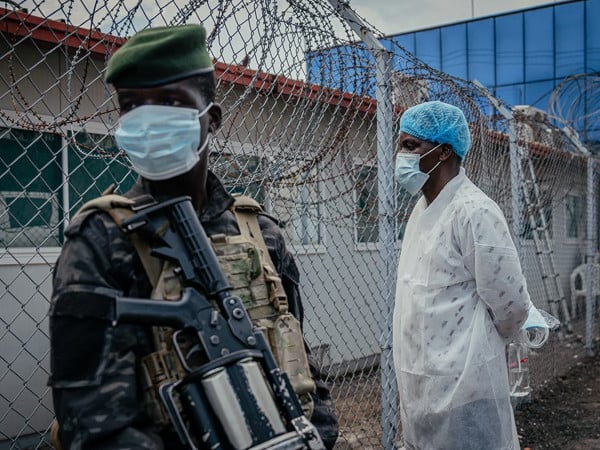
State presence is weak in Ituri, where insecurity has been worsened by attacks from Islamic State-linked Allied Democratic Forces militants and other armed groups that frequently target civilians. Nearby North and South Kivu, which have also reported Ebola cases, have faced almost uninterrupted violence for three decades.
Large parts of the region are under the control of the Rwanda-backed M23 armed group, which is fighting government forces. Millions have been displaced by the conflict and many are living in camps with poor sanitation. Nearly one million displaced people are in Ituri alone, raising fears that the disease could spread through the camps.
At the Kingonze camp outside Bunia, resident Dorcas Mapenzi said:
If Ebola comes, we’ll be wiped out as we’re packed like sardines
No vaccine or specific treatment is currently available for the Bundibugyo strain responsible for the present outbreak. However, the head of Africa CDC said on Thursday that a vaccine should be ready by the end of the year.
Comments
No comments yet. Be the first to join the discussion!