

Sylhet tea workers’ 1921 march remains unrecognised in Bangladesh
A report published by Dawn says the 1921 march of Sylhet tea workers ended in a massacre at Chandpur’s Meghna ghat and remains officially unrecognised in Bangladesh. The day is still observed annually by workers as Tea Workers Day.

ISLAMABAD: A century after the 1921 tea workers’ march from the tea gardens of Sylhet ended in bloodshed at Chandpur’s Meghna ghat, the day is still not officially recognised by the Bangladeshi state, according to a report published by Dawn from The Daily Star/ANN.
The report says that on May 20, 1921, around 30,000 tea workers left the tea estates, raising the slogan Mulluke Cholo — Let’s go to our homeland — as they set out in hopes of returning to Bihar, Odisha, Assam and other places from where they had originally been brought under false promises of a better life. Their route led towards Meghna ghat in Chandpur, from where they intended to take steamers to Goalanda and then continue by train to their native regions.
The movement drew in workers from plantations in Assam as well as tea gardens in Sylhet. One immediate trigger for the uprising was a cut in wages. But when the marchers reached the ghat on May 20, colonial forces moved against them. The report states that British colonial police opened fire, while Gurkha soldiers deployed by the authorities attacked the workers. Many were killed, some bodies were thrown into the river, and survivors either fled or were captured and tortured. Others, having nowhere else to go, returned to the tea gardens.
The article places the 1921 uprising in a longer history of resistance in the tea plantations. It cites Rajanikanta Das’s 1931 book Plantation Labour in India, which documented repeated violence and unrest in the estates.
"Kicking, punching, and various forms of physical torture by European officers against coolies frequently created situations of conflict in the tea gardens. In 1891 alone, 106 incidents of riots and clashes took place in the tea plantations of Assam," Das wrote.
The report says such resistance continued for years before culminating in the 1921 mobilisation. For tea workers in present-day Bangladesh, May 20 has since become a day of remembrance and resistance, observed annually as Cha Shramik Dibosh, or Tea Workers Day.
More than 100 years later, Bangladesh’s tea sector has grown into a major industry, with 166 tea garden estates and more than 116,762 registered workers, in addition to thousands of casual labourers, the report says. It adds that tea has become part of the country’s culture, a source of foreign exchange and a matter of national pride.
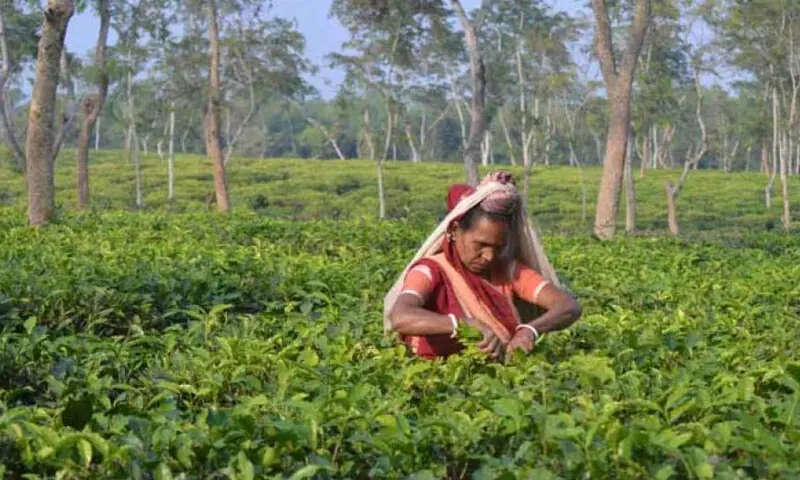
At the same time, the report says the industry was built on the labour of indentured workers whose descendants still work in the estates. It states that many now earn Tk 187 a day and receive some support, including grain rations and primary healthcare, while living in crowded labour lines and often lacking broader access to healthcare and educational opportunities.
Despite the annual observance by workers, the Bangladeshi state has yet to formally recognise May 20 as Tea Workers Day.
Comments
No comments yet. Be the first to join the discussion!


