Rubio meets Modi in India as Washington seeks to steady ties after China summit
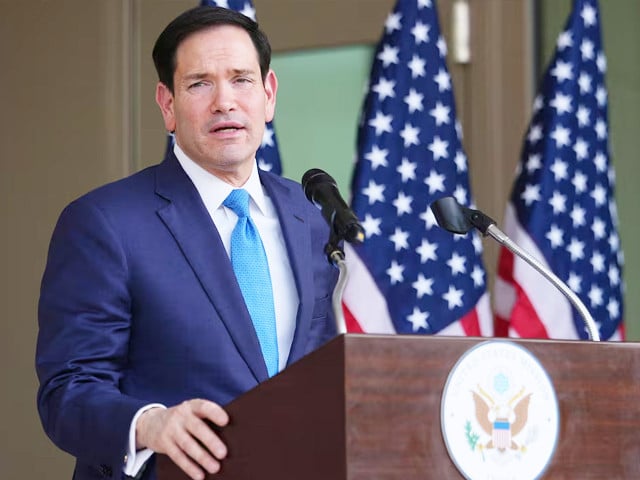
US Secretary of State Marco Rubio met Prime Minister Narendra Modi in New Delhi during a visit aimed at reinforcing ties with India after Washington’s recent summit with China. His trip also includes a stop at Mother Teresa’s charity and participation in a Quad meeting.

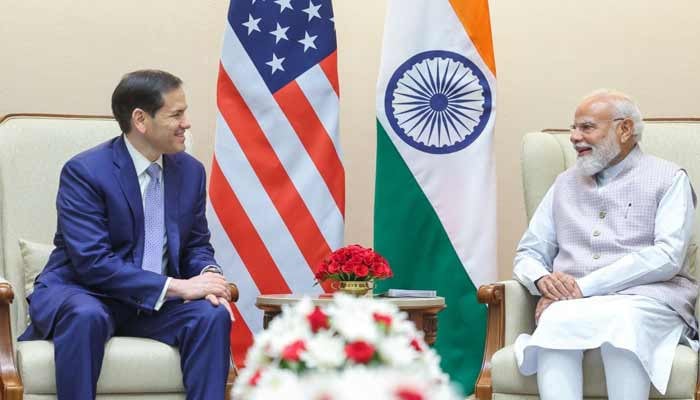
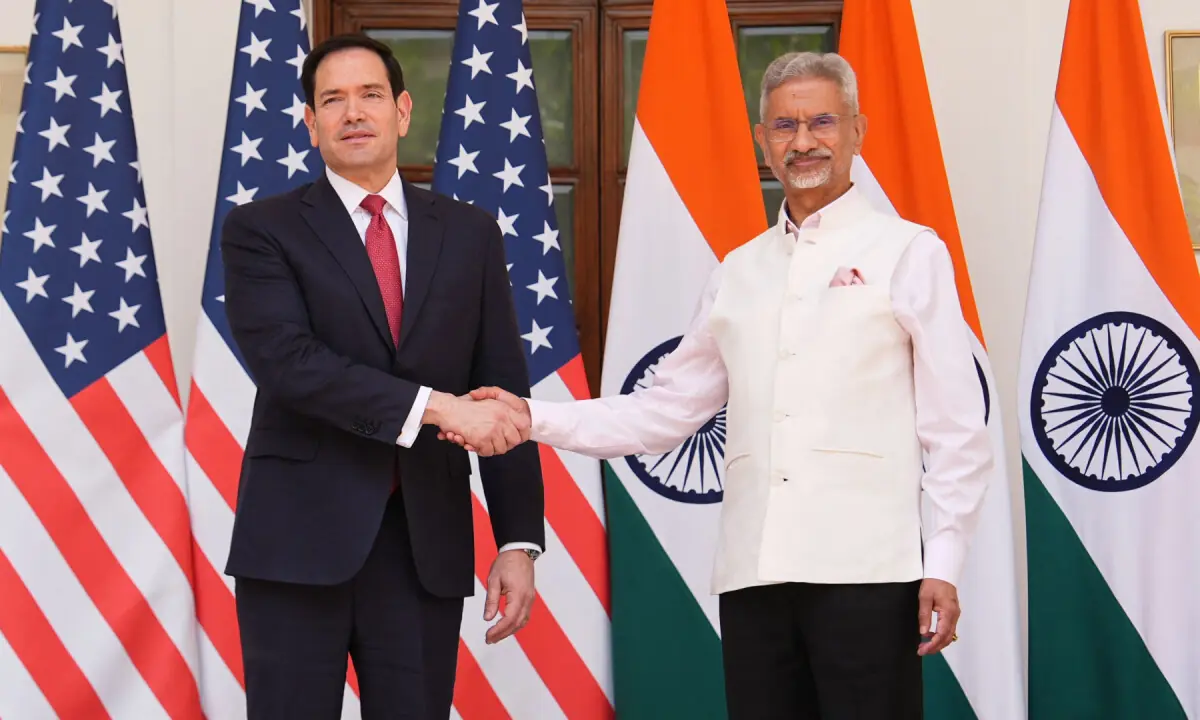
NEW DELHI: United States Secretary of State Marco Rubio met Indian Prime Minister Narendra Modi on Saturday during his visit to India, in a trip that comes a week after Washington held a warm summit with China.
According to a US official, Rubio flew to New Delhi after joining President Donald Trump in Beijing last week and held closed-door talks with Modi for more than an hour. The visit marks Rubio’s first trip to both Asian powers.
Rubio began his four-day, four-city India tour in Kolkata, where he visited the headquarters of Mother Teresa’s charity and prayed at her tomb. He was accompanied by his wife Jeanette. Wearing a yellow garland over his suit, Rubio was seen with an assembly of nuns dressed in the white and blue saris associated with the late humanitarian.
Sister Marie Juan of the Missionaries of Charity spoke to reporters after Rubio’s hour-and-a-half visit.
Rubio spoke about aiding the homeless, terminally ill and those afflicted by leprosy.
She also said:
He was happy to pray and we were also happy to have him.
Later, US Ambassador to India Sergio Gor said in a post that the visit reflected a relationship grounded not only in policy but also in shared values. Gor, like Rubio, is Catholic.
Quad meeting ahead
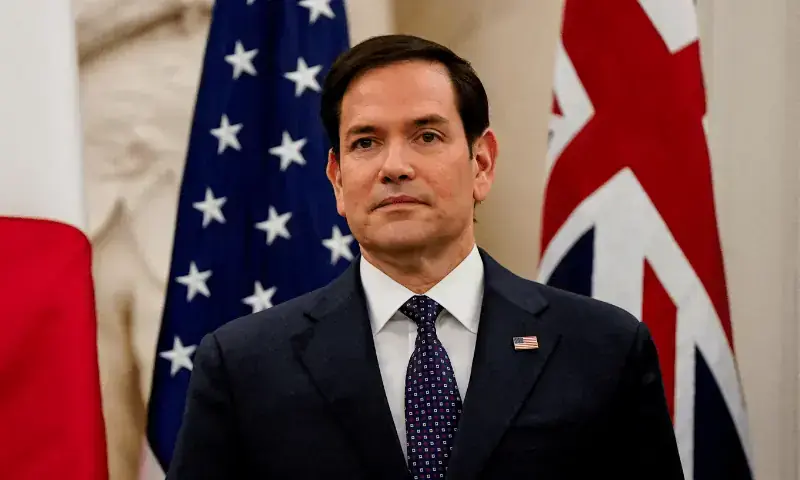
Before departing on Tuesday, Rubio is also due to attend a meeting of foreign ministers from the Quad, which brings together Australia, India, Japan and the United States. The grouping is viewed as a counterweight to China’s role in the Indian Ocean.
China has for years viewed the Quad with suspicion, describing it as an effort to contain it, and has previously criticised India for participating in the forum.
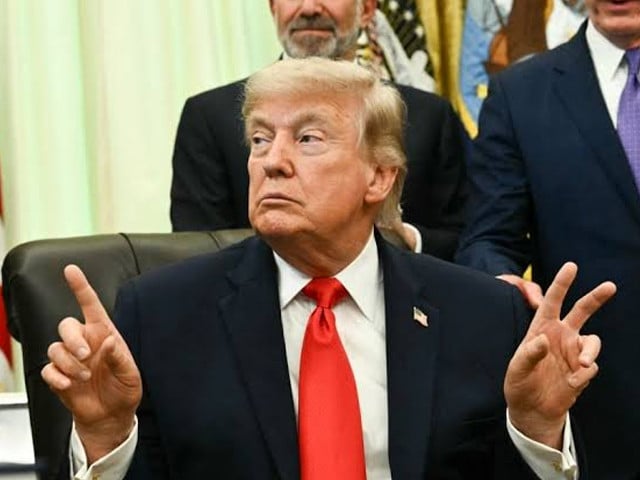
Rubio’s visit comes at a time when Trump is reshaping long-standing assumptions about US foreign policy priorities. During his visit to China, Trump praised the welcome he received from President Xi Jinping despite only limited concrete outcomes from the summit.
Trump also referred to the United States and China as a G2, a term that had become less common in recent years as US allies worried about being sidelined in Washington’s engagement with a rising China.
Symbolism and regional backdrop
The choice of Rubio’s first stop in India carried symbolic weight. While Trump rarely speaks publicly about human rights, some within his political base have voiced concern over the treatment of Christians under Modi’s Hindu nationalist government.
Rights groups say attacks on minority Christians in India, including church vandalism, have increased since Modi took office in 2014. The Indian government rejects those allegations, saying they are exaggerated and politically motivated.
Ahead of the trip, Rubio described India as a great ally and great partner, and said Washington would look for ways to sell more oil to the country.
India’s rapidly expanding economy depends heavily on imported energy. Like many other countries, it has been unsettled by the US-Israeli attack on Iran and Tehran’s response of choking off the Strait of Hormuz, a move that has driven global oil prices higher.
India has longstanding ties with Iran while also deepening relations with Israel. Modi visited Israel only days before the war.
The conflict has also brought renewed attention to Pakistan as a US partner. Pakistan has presented itself as a mediator, and its army chief flew to Tehran on Friday.
The United States was aligned with Pakistan during the Cold War, but over time moved closer to India, viewing the world’s largest democracy as a natural partner in an international order shaped by China’s rise.
Under Trump, that approach has shifted. Trump has warmed to Pakistan, which has praised his diplomacy during its brief war with India last year and has also welcomed a cryptocurrency firm owned by the US president’s family.
Modi had irritated Trump by not crediting him with ending that war. Trump later imposed punitive tariffs on India at rates higher than those placed on China, although those tariffs were eased under a trade deal.
Comments
No comments yet. Be the first to join the discussion!