

SC flags vulnerability of parliamentarians in criminal cases
The Supreme Court has acquitted an MQM politician in a murder case and said lawmakers can be vulnerable to being implicated in serious offences without justification. The ruling focused on the legality of detention and the reliability of a retracted confession.

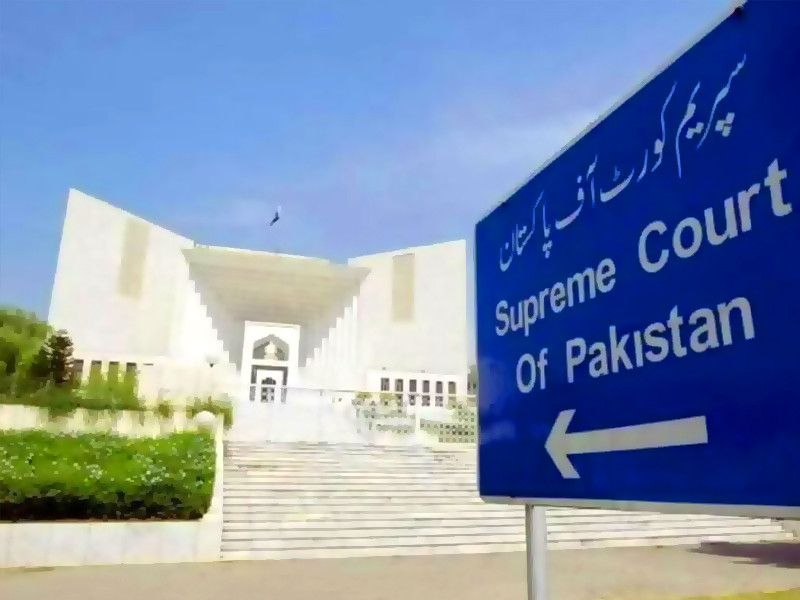
ISLAMABAD: The Supreme Court has observed that politicians, particularly parliamentarians, appear highly vulnerable to being implicated in serious criminal charges without sufficient justification, warning that such cases may sometimes be driven by mala fide intent.
The observation came in an eight-page judgment authored by Justice Jamal Khan Mandokhail, who was part of a three-judge bench that acquitted an MQM politician previously sentenced to life imprisonment for murder in 2016.
The Sindh High Court had earlier upheld the conviction, which was primarily based on a judicial confession attributed to the accused.
In its detailed ruling, the apex court noted that the prosecution’s case rested almost entirely on the confession, making it necessary to examine whether it met legal standards of being voluntary, truthful, and reliable — particularly as it had later been retracted.
The judgment highlighted serious concerns regarding the manner in which the accused was made an accused in the case. It noted that he was taken into custody by Rangers in 2016, several years after the FIR was registered, under preventive detention provisions of the Anti-Terrorism Act.
The court observed that required legal formalities, including notification from the competent government authority, were not reflected in the record, raising questions about the legality of the detention.
It further noted that during this custody period, the accused allegedly confessed before Rangers and was later handed over to police, with his formal arrest recorded subsequently.
The judgment also examined the recording of the confessional statement under Section 164 of the Criminal Procedure Code, stressing that such statements must be made voluntarily before a magistrate without pressure, inducement, or coercion.
The court reiterated that magistrates are required to exercise strict caution under Section 364 CrPC to ensure that any confession is genuine and free from external influence.
Ultimately, the bench found serious procedural and legal infirmities in the case, leading to the acquittal and raising broader concerns about misuse of investigative processes and safeguards intended to protect accused persons.
Comments
No comments yet. Be the first to join the discussion!


