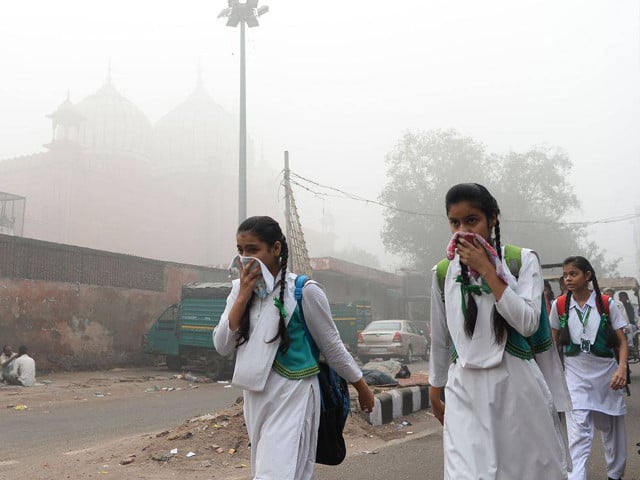
Punjab orders green buffer zones around industrial areas
Punjab has ordered industrial estates and zones to establish green buffer belts to reduce pollution and improve public health. The move is part of a wider anti-pollution drive that also targets plastic waste and vehicular emissions.

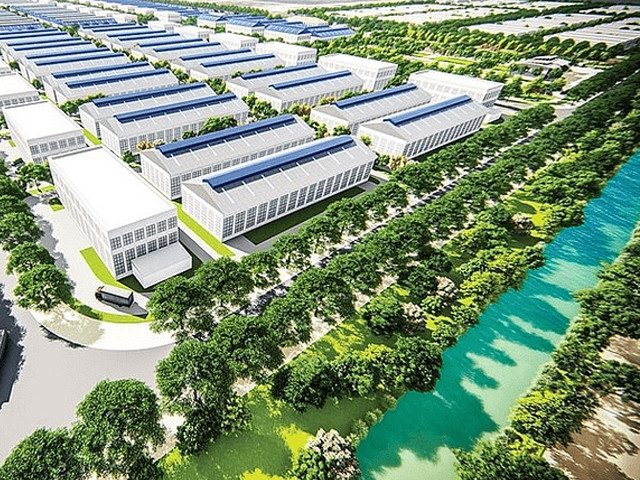
LAHORE: The Punjab Environment Department has directed industrial estates and zones across the province to establish environmental buffer areas around their premises as part of efforts to curb pollution and protect public health.
The move has been issued under directions from Punjab Environmental Protection Agency Director General Dr Imran Hamid Sheikh. Under the new instructions, industrial areas will be required to develop green belts around their sites to help reduce the impact of smoke, toxic gases and other harmful emissions generated by factories.
The initiative has been launched under the Punjab Environmental Protection Act, 1997. Officials said industrial pollution has become an increasing risk to public health, especially in densely populated urban areas where air quality has continued to worsen because of factory emissions, vehicle smoke and unchecked commercial activity.
Compliance and enforcement
The department has warned of strict action against industries and institutions found in breach of environmental rules. Industrial units have also been told to carry out large-scale tree plantation within their premises and in surrounding areas under the new policy.
According to officials, institutions that fail to undertake mandatory plantation will face legal proceedings, while unauthorised tree cutting has also been banned. The government has further announced action against encroachments on, or damage to, green belts created around industrial zones.
Authorities said organisations that do not meet plantation targets or broader environmental compliance requirements will be held accountable under existing environmental laws. EPA field teams have been instructed to carry out inspections across Punjab to ensure implementation of the directives.
To strengthen oversight, the GIS Department has been tasked with mapping industrial areas and identifying locations that require immediate environmental intervention.
Wider anti-pollution drive
Officials said the policy is intended not only to improve environmental conditions but also to support a sustainable balance between industrial growth and public health safeguards. The step comes as the Punjab government expands its province-wide anti-pollution campaign in response to continuing concerns over air quality, particularly in Lahore, which frequently appears among the world’s most polluted cities during winter.
The EPA had earlier intensified efforts to create plastic-free zones in major commercial centres. The agency had announced a ban on plastic bags thinner than 75 microns as part of its campaign against plastic pollution.
Official data showed that during the first four months of the current year, the Punjab EPA carried out 3,612 inspections. During that period, it confiscated more than 937,000 kilogrammes of plastic bags, issued 189 notices and imposed fines worth Rs3 million. Officials also sealed 26 premises and registered seven FIRs against violators.
The department has also increased action against vehicular emissions, which remain another major source of urban air pollution. The EPA recently set up a monitoring desk at the Safe Cities Authority to detect smoke-emitting vehicles through surveillance systems and issue electronic challans.
During the current month, fines exceeding Rs1 million were imposed on 211 vehicles for not meeting emission standards. According to the latest readings cited by officials, Lahore recorded an Air Quality Index of 83 on Tuesday evening, placing it in the moderate category, while Karachi recorded an AQI of 90. Riyadh topped the global pollution rankings with an AQI of 153, followed by Kathmandu and Dhaka.
Officials said the establishment of industrial buffer zones, along with stricter enforcement, is expected to support long-term environmental improvement across Punjab.
Comments
No comments yet. Be the first to join the discussion!