

Trump’s Gaza board flags funding gap, urges faster release of pledged money
Trump’s Board of Peace has told the UN Security Council that pledged money for Gaza reconstruction is not being released quickly enough. The body said the gap between commitments and disbursements is threatening implementation of a plan estimated to cost more than $70 billion.

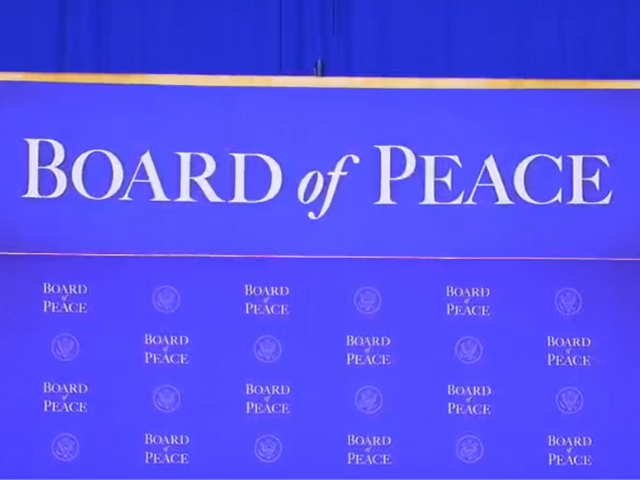
WASHINGTON: A body set up by US President Donald Trump to oversee his Gaza reconstruction initiative has told the United Nations Security Council that a widening gap between pledged money and actual disbursements must be addressed quickly, as the broader plan faces the prospect of a financial shortfall.
A May 15 report submitted by the Board of Peace and seen by Reuters said the difference between commitments and funds actually released was undermining implementation of a reconstruction framework for Gaza that is expected to cost more than $70 billion.
Trump created the Board of Peace to supervise what has been described as an effort to end Israel’s military campaign in Gaza and rebuild the territory. He has also said the body would address other conflicts. The UN Security Council has recognised the board, although many major powers have not joined it, unlike Washington’s principal Middle Eastern allies as well as some smaller and mid-sized states.
Board calls for urgent disbursement
In its report, the board urged countries that have joined the initiative, along with other states, to provide contributions without delay. It also appealed to governments that have already made pledges to speed up their internal procedures for releasing the money.
the gap between commitment and disbursement must be closed with urgency
Funds committed but not yet disbursed represent the difference between a framework that exists on paper and one that delivers on the ground for the people of Gaza.
The document did not specify how much money had actually been received or quantify the shortfall, but it said total pledges remained at $17 billion. Reuters had reported in April that only a small portion of that amount had been received, which it said was preventing Trump from moving forward with the plan.
The board had rejected that earlier report, saying in a statement that it was an
and that thereexecution-focused organisation that calls capital as needed
.are no funding constraints
The Board of Peace did not immediately respond to a request for comment on the latest report.
Reconstruction needs remain vast
The pledged funds are intended to support rebuilding work and finance the operations of a new US-backed transitional administration in Gaza. The United States, Saudi Arabia, the United Arab Emirates and Qatar are among the countries that have pledged support. Morocco, Uzbekistan and Kuwait are also listed among contributors.
Gaza’s reconstruction bill after more than two and a half years of Israeli bombardment is expected to exceed $70 billion. The board said 85% of buildings and infrastructure in Gaza had been destroyed, and estimated that around 70 million tonnes of rubble would have to be removed.
The reconstruction component is central to Trump’s plan for Gaza, but progress has been slowed as the wider initiative has appeared to lose momentum. Despite a ceasefire reached in October, Israeli forces have remained deployed across a large part of Gaza and have continued air strikes, while Hamas has refused to surrender its weapons.
Oversight concerns and membership rules
Reuters reported on May 15 that the United States was considering asking Israel to transfer some tax revenues it is withholding from the Palestinian Authority to the Board of Peace for reconstruction purposes.
European and Asian officials have said many governments are reluctant to channel Gaza reconstruction funding through Trump’s board because of concerns about transparency and oversight. Those states would prefer to route support through established institutions such as the United Nations.
Under the board’s charter, member states are limited to three-year terms unless they pay $1 billion each to support the board’s operations and secure permanent membership. It remains unclear whether any country has paid that amount.
Comments
No comments yet. Be the first to join the discussion!


