Late market hours lift Eid trade hopes as inflation squeezes buyers
Punjab and Sindh have eased market closing hours ahead of Eidul Azha, giving traders hope of better sales. But inflation, higher fuel costs and expensive sacrificial animals are keeping consumers cautious.

LAHORE: Temporary relaxation in market closure timings by Punjab, followed by a similar move from the Sindh government, ahead of Eidul Azha has brought a sense of relief among traders who have been struggling with weak demand, rising costs and economic uncertainty.
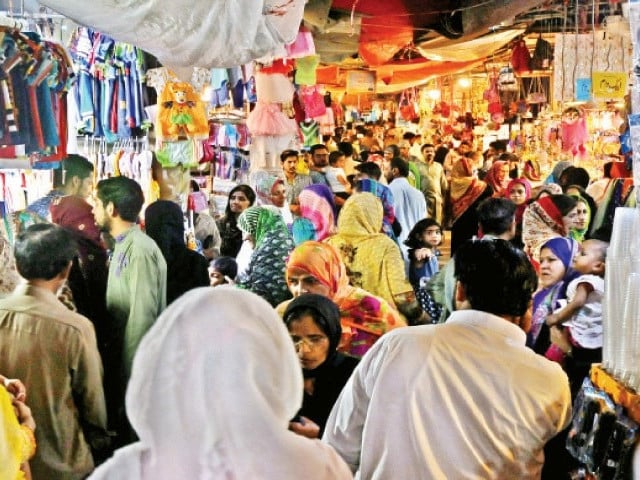
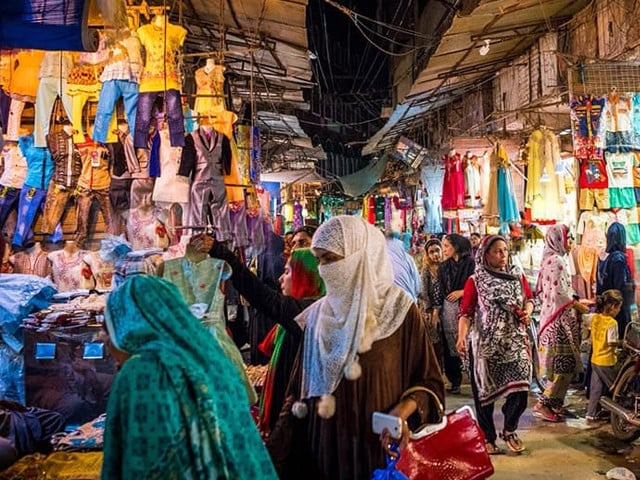
Markets in major cities including Lahore, Karachi and Rawalpindi had recently been closing around 8pm under energy-saving measures introduced by provincial authorities. Retailers say the restriction significantly reduced evening footfall — traditionally the busiest shopping period in Pakistan’s urban centres.
With the new relaxation allowing businesses to remain open later into the night, traders are now expecting a short-term revival in sales during the crucial Eid shopping season.
For Pakistan’s retail sector, evening and night-time activity forms the backbone of commercial life. Families typically shop after dinner, particularly in the days leading up to Eid, when markets, malls, clothing stores and food streets remain crowded well past midnight.
Retailers estimate that reduced timings had contributed to losses running into billions of rupees, as consumer activity dropped during peak hours.
“The night economy is extremely important for Pakistan’s urban commercial structure,” said textile retailer Anis Ahmad, noting that shopping behaviour in the country is heavily dependent on late-evening access.
The easing of restrictions comes after weeks of economic pressure linked to rising fuel prices, higher transportation costs and regional uncertainty affecting supply chains and inflation.
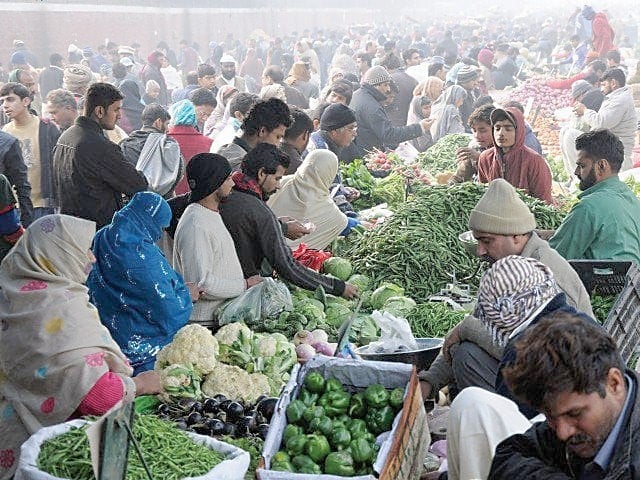
The impact is also visible in Eid-related markets, where prices of sacrificial animals have increased sharply compared to last year. In several urban cattle markets, goats that previously sold between Rs100,000 and Rs125,000 are now priced as high as Rs180,000 to Rs220,000.
Buyers say rising costs have forced many families to reconsider budgets, with middle-income households particularly affected.
“Every category of animal has become significantly more expensive this year,” said buyer Shayan Baig, adding that many consumers are now waiting until closer to Eid in hopes of price adjustments.
Livestock traders, however, argue that their own costs have surged due to increased transport expenses, fodder prices and logistical challenges in moving animals from rural areas to cities.
The livestock sector remains a key seasonal driver of Pakistan’s rural economy during Eidul Azha, supporting thousands of workers, transporters and vendors.
Economists note that despite inflationary pressure, Eid continues to generate significant short-term economic activity across the country.
In urban markets, traders report that while footfall has returned, consumer spending remains cautious, with families focusing more on essential purchases rather than bulk shopping.
“Customers are still coming, but they are much more price-conscious this year,” said garment retailer Ahsan Sheikh.
Despite challenges, traders remain hopeful that extended evening hours will help boost sales momentum in the final days leading up to Eid.
Analysts say Pakistan’s informal and night-time economy plays a crucial role in sustaining urban commerce, especially during festive periods.
For now, both consumers and retailers are hoping that extended trading hours will provide some breathing space in an otherwise difficult economic environment.
Comments
No comments yet. Be the first to join the discussion!