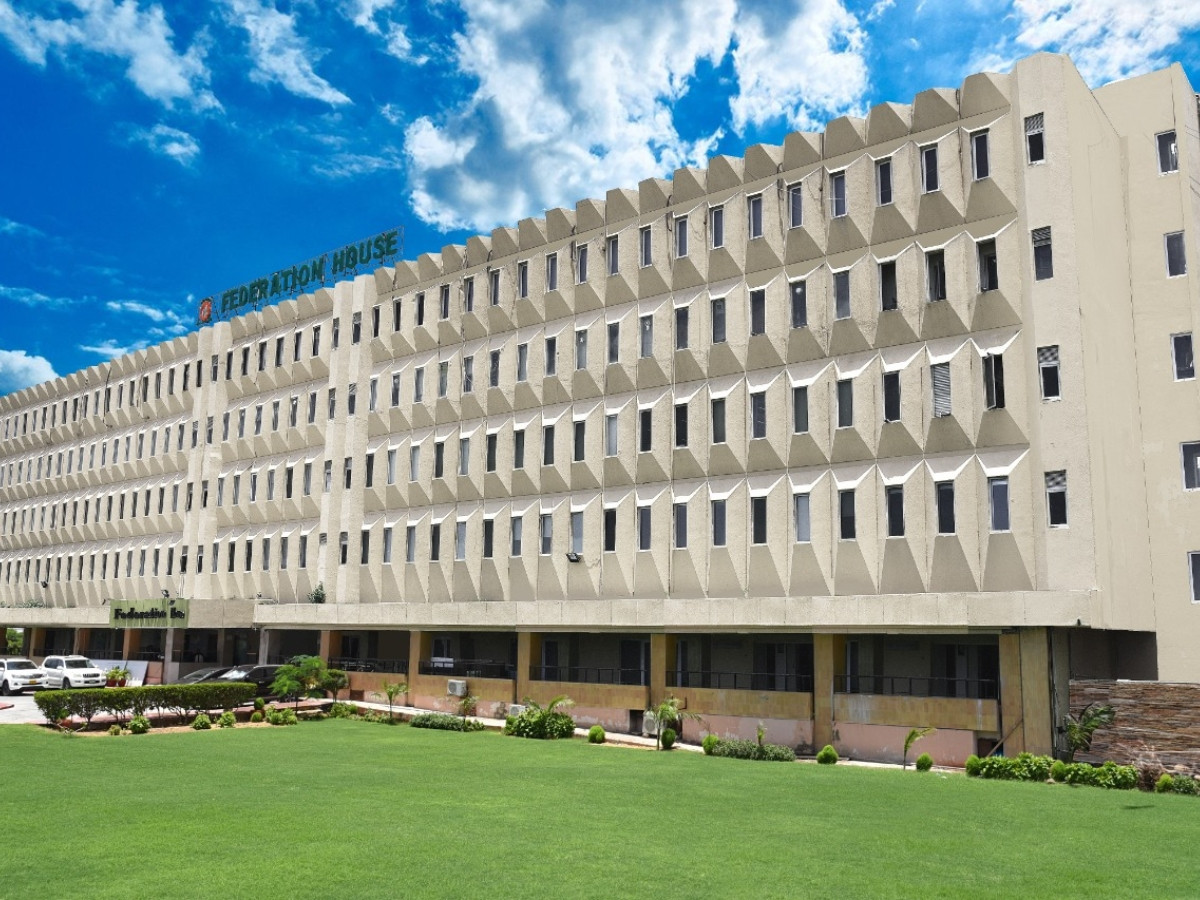
FPCCI seeks unified sales tax system
FPCCI has urged the government to introduce a single-window national sales tax compliance system and restore the Final Tax Regime. The chamber also called for ending super tax, promoting a cashless economy and reducing corporate tax for manufacturers.


HYDERABAD: The Federation of Pakistan Chambers of Commerce and Industry (FPCCI) has called for a single-window national sales tax compliance system, saying the existing provincial tax arrangements are fragmented and are not supporting the economy.
Speaking to Dawn on Saturday, FPCCI Senior Vice-President Saquib Fayyaz Magoon said a unified digital platform would make registration, filing and payment procedures easier across the country. He said the apex trade body had submitted proposals for inclusion in the upcoming federal budget and urged the federal government to restore the Final Tax Regime (FTR).
According to Mr Magoon, the restoration of FTR would help move the country toward stronger export growth. He also said the federation had proposed measures to promote a cashless economy through digital financial technology, arguing that such steps would help document the economy.
Tax proposals for budget
Mr Magoon said the business community needed greater attention on expanding the tax net and described the restoration of FTR as one of the federation’s key demands for supporting business activity and exports. "We badly need to focus on broadening the tax base, and FTR’s restoration is a demand of the federation to help achieve growth in businesses and exports," he said.
He said multiple layers of taxation, followed by tax on final sales, were raising production costs. He added that the levy stood at 1pc until last year’s budget, but an additional 4pc tax was now being collected and should be withdrawn.
He further said the super tax had become a direct burden on production costs and was also hurting export competitiveness, adding that it should be abolished.
On the issue of digitisation, Mr Magoon said the chamber had also advised the government to pursue a cashless economy in order to widen the tax base. He said consumers should be encouraged through incentives offered at the retail level, adding that this could be implemented through financial technology cards. "Consumers will have to be incentivised with certain percentages at the retailer level, and this can be done through the use of financial technology cards," he added.
Support for IT exports and lower corporate tax
FPCCI executive committee member Adeel Siddiqui also backed the demand for restoring FTR, saying the current tax structure was unnecessarily increasing the cost of production.
He said the government should give greater attention to information technology exports by capping the tax at 0.25 for a decade, until 2035. "IT exports have increased from Rs400-Rs500m to Rs54bn, and we need to support this sector like the textile sector, which earns foreign exchange," he added.
Mr Siddiqui also said a reduction in corporate income tax for manufacturers would be appropriate. He proposed cutting the rate from the current 29pc to at least 25pc, saying it generally ranged between 21pc and 24pc globally.
The FPCCI’s proposals, as outlined by its office-bearers, include a unified sales tax compliance mechanism, restoration of the Final Tax Regime, withdrawal of the additional 4pc tax, abolition of super tax, promotion of a cashless economy through digital tools, a lower tax rate for IT exports until 2035, and a reduction in corporate income tax for manufacturers.
Comments
No comments yet. Be the first to join the discussion!