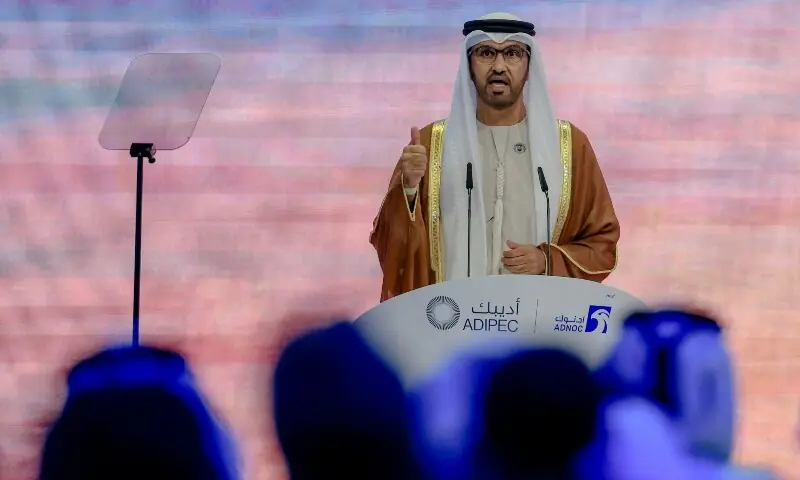
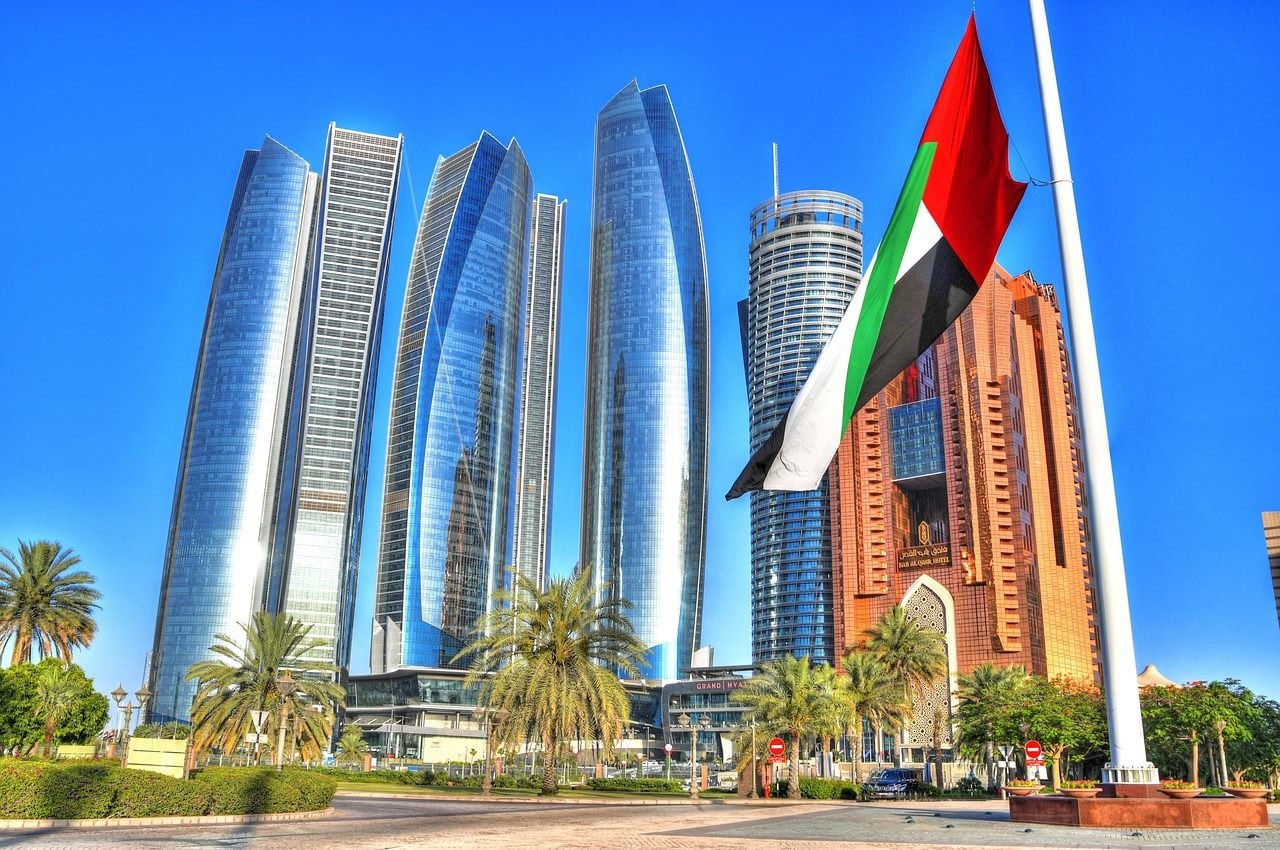
UAE says OPEC and OPEC+ exit was a sovereign strategic decision
The UAE says its withdrawal from OPEC and OPEC+ was a sovereign strategic decision based on production policy and future capabilities. Energy Minister Suhail Al Mazrouei said the move was not politically motivated and did not reflect divisions with partners.

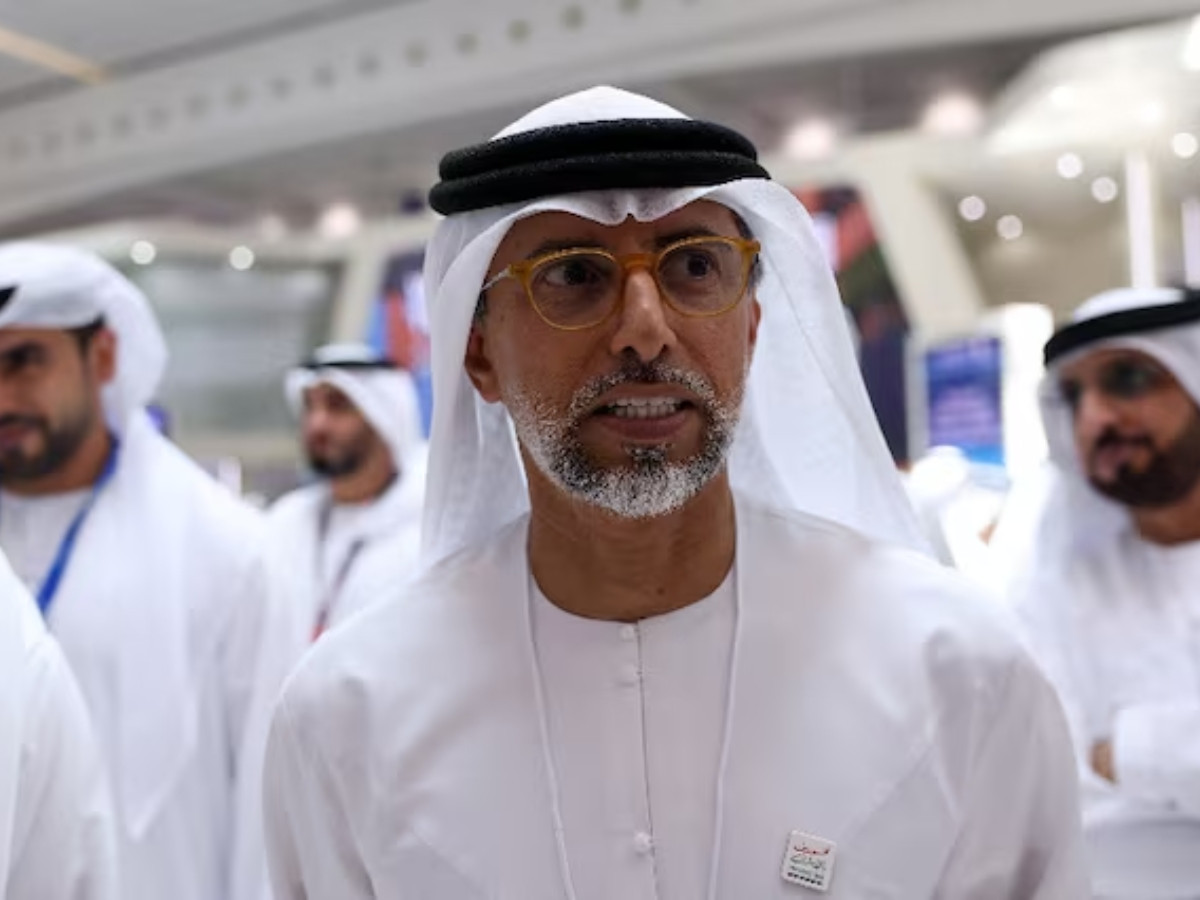
DUBAI: The United Arab Emirates has said its decision to leave OPEC and OPEC+ was a sovereign and strategic step based on a review of its production policy and future energy capacity.
UAE Energy Minister Suhail Al Mazrouei said in a post on X on Saturday that the move was not politically motivated and did not signal any split with the country’s partners. "It is not driven by political considerations, nor does it reflect any division between the UAE and its partners," he wrote.
Mazrouei said the decision was rooted in the country’s long-term economic vision, changing energy capabilities and what he described as an enduring commitment to global energy security. He added that the step followed a comprehensive assessment of national production policy and future capabilities.
The UAE had announced late in April that it would leave OPEC on May 1. The move dealt a blow to the oil producers’ group at a time when an unprecedented energy crisis triggered by the Iran war had exposed differences among Gulf states.
Impact on OPEC and production policy
The UAE is one of the larger producers in the group, and its departure reduces OPEC’s influence over global oil supply. The decision also deepens a divide between the UAE and neighbouring Saudi Arabia, which is effectively the leading power within the Organisation of the Petroleum Exporting Countries.
By stepping away from OPEC and OPEC+, Abu Dhabi gains greater authority over its own oil output policy. The move could also, over time, add pressure on the wider producer alliance.
Mazrouei’s remarks were aimed at underlining that the withdrawal should be seen as part of the UAE’s national strategy rather than as a political message. His statement framed the decision as one linked to domestic economic planning and the country’s evolving role in energy markets.
The minister’s comments came after the UAE’s late-April announcement that it would quit both OPEC and OPEC+ from May 1. The development has been viewed as significant because of the UAE’s standing as one of the group’s biggest oil producers and because it comes during a period of severe strain in global energy markets.
The energy crisis tied to the Iran war had already laid bare discord among Gulf nations. Against that backdrop, the UAE has maintained that its withdrawal was based on strategic calculations concerning production policy and future capabilities, and not on political considerations.
In his post, Mazrouei reiterated that the decision reflected a broad national review and was aligned with the UAE’s long-term economic priorities and energy outlook.
Comments
No comments yet. Be the first to join the discussion!