

Fuel and flour costs drive weekly SPI inflation to 14.52pc
Pakistan’s weekly SPI inflation rose 14.52pc year-on-year in the week ending May 14, driven by sharp increases in fuel, wheat flour and utility costs. Economists and brokerages warned that higher transport and food prices could keep inflationary pressure elevated.

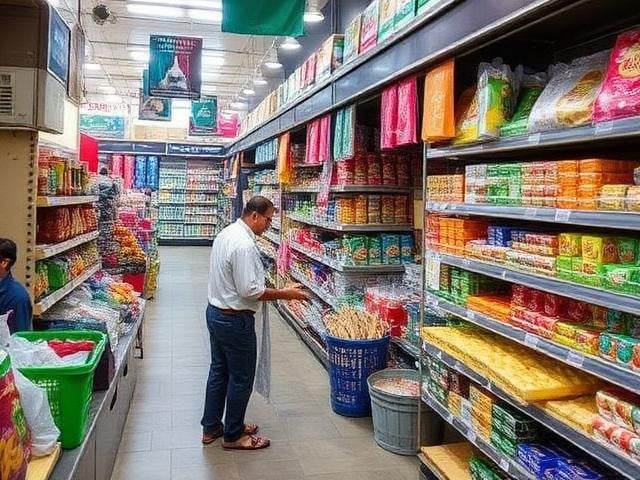
ISLAMABAD: Pakistan’s short-term inflation rose sharply in the week ending May 14, with the Sensitive Price Indicator increasing 14.52 per cent from a year earlier and 0.47 per cent from the previous week, according to data released by the Pakistan Bureau of Statistics.
The latest reading pointed to growing pressure on household budgets as fuel, wheat flour and utility prices climbed. The increase reflected spillover effects from the Israel-US war on Iran and supply disruptions.
PBS figures showed some of the steepest year-on-year increases were recorded in petrol, which was up 64.23 per cent, followed by diesel at 61.61 per cent, wheat flour at 57.56 per cent, electricity charges for the lowest consumption slab at 52.58 per cent, onions at 50.06 per cent, LPG at 48.34 per cent and tomatoes at 40.66 per cent.
On a weekly basis, tomatoes posted the largest increase at 22.13 per cent. Other items that became more expensive over the week included gents sponge chappals by 16.69 per cent, ladies sandals by 7.15 per cent, wheat flour by 4.94 per cent, diesel by 3.76 per cent and petrol by 3.73 per cent.
Although prices of chicken, eggs and pulses declined during the week, the reductions were not enough to offset the wider inflationary impact linked to fuel and transport costs.
Economists cite supply disruptions and transport costs
Dr Jazib Mumtaz, an applied economist associated with the Institute of Business Administration, said the rise in inflation was mainly driven by supply-side disruptions and higher transportation expenses.
"Inflation has spiked up as expected due to supply shock," he said. "Major contributors to inflation along with fuel are domestic transport costs which have pushed food prices higher. Freight cost has gone up which has caused import prices to spike up."
He also said uncertainty tied to geopolitical tensions had worsened inflationary behaviour among consumers and traders. "Uncertainty has also played its role in causing panic buying by consumers to increase prices," Mumtaz said, while urging the government to consider reducing the petroleum development levy to ease pressure on households and businesses.
The inflation increase appeared broad-based across income groups. According to PBS data, SPI inflation for the lowest consumption quintile stood at 11.56 per cent year-on-year, while the highest income group recorded a 14.24 per cent increase. The combined index rose to 358.71 points from 313.24 a year earlier.
Brokerages warn of higher monthly inflation
Topline Securities said Pakistan’s Consumer Price Index for May 2026 could come in between 11 per cent and 11.5 per cent year-on-year, compared with 10.89 per cent in April and 3.46 per cent in May last year. The brokerage said this would mark the highest monthly inflation reading in 23 months.
It attributed the expected increase mainly to food inflation and projected a 1.2 per cent month-on-month rise in the food basket, driven by sharp increases in wheat flour, wheat and potato prices. Topline also noted that while transport costs had moderated slightly after recent volatility in global oil markets, petrol prices were still up 5.6 per cent and high-speed diesel remained significantly higher than a year ago.
Analysts said the renewed inflationary pressure could make it harder for the State Bank of Pakistan to continue monetary easing, especially as real interest rates remain only marginally positive.
"The anticipated inflation surge in May-June will strain real household incomes and narrow the central bank's policy flexibility," said Waqas Ghani Kukaswadia, head of research at JS Global.
"It would require careful calibration to balance macroeconomic stability while protecting lower-income segments from further purchasing power erosion," he added.
Topline estimated that real interest rates in May could range between zero and 50 basis points, below Pakistan’s historical average of 200-300 basis points. The brokerage expects average inflation to settle at 7.1 per cent in FY2026 and rise to 8.2 per cent in FY2027, indicating that risks to price stability may continue despite fiscal consolidation under the IMF programme.
Economists warned that further increases in fuel and electricity prices, along with supply-chain disruptions and currency-related import costs, could intensify the cost-of-living strain on lower- and middle-income households in the months ahead.
Comments
No comments yet. Be the first to join the discussion!


