

Experts urge adaptive deterrence amid concerns over India’s strategic posture
Experts at a CISS event in Islamabad warned that regional stability is under strain and said Pakistan must keep deterrence credible and adaptive. Speakers cited technological shifts, disinformation and India’s strategic posture as key concerns.

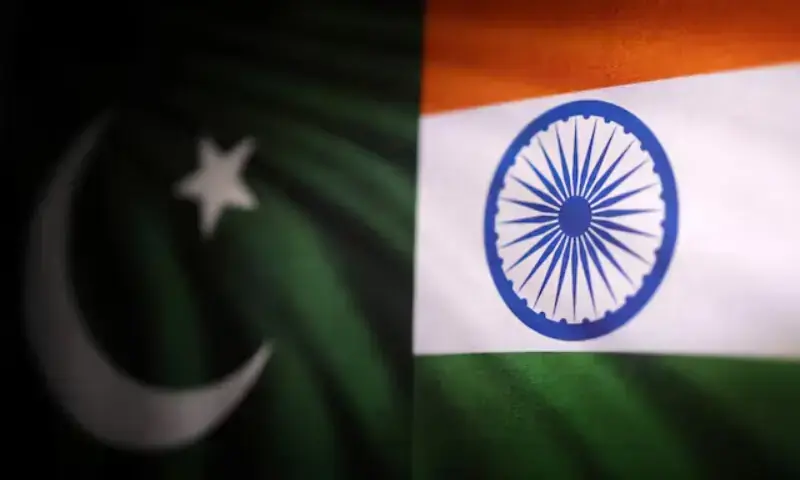
ISLAMABAD: Strategic affairs experts on Monday said the deterrence balance with India may have remained intact during last year’s conflict, but warned that the wider regional security environment is becoming more fragile and requires Pakistan to keep its deterrence posture credible and adaptable.
The remarks were made at a book launch organised by the Centre for International Strategic Studies (CISS) in Islamabad, where speakers pointed to technological change, disinformation, unresolved disputes and what they described as India’s effort to normalise limited warfare in a nuclearised setting as key pressures on regional stability.
Participants, including advisers to the National Command Authority (NCA) and the Strategic Plans Division (SPD), said the lessons of the post-May 2025 conflict underscored the need for deterrence that remains both effective and responsive to changing conditions.
Warnings on deterrence stability
Retired Lt Gen Khalid Ahmed Kidwai, an adviser to the NCA and a prominent figure in Pakistan’s nuclear establishment, issued one of the strongest warnings at the event. He said recent developments had revealed “both the strengths and vulnerabilities of deterrence stability,” and stressed the importance of “responsible nuclear stewardship and strategic restraint”.
His comments were reinforced by other speakers, whose observations indicated that deterrence is increasingly being viewed not as a fixed balance, but as a framework that must be continually managed.
Retired Gen Zubair Hayat, former chairman of the Joint Chiefs of Staff Committee, said future wars were likely to involve “hybrid warfare, cyber capabilities and narrative warfare” in addition to conventional military tools.
Lt Gen Mazhar Jamil pointed to “India’s evolving offensive thinking” as a major factor shaping the changing strategic environment. He called for Pakistan to maintain a unified deterrence posture while avoiding unnecessary escalation. His remarks suggested that future crises could test thresholds, rely on limited military pressure and unfold under compressed decision-making timelines.
Call for coordinated signalling and dialogue
Retired Lt Gen Sarfraz Sattar, also an NCA adviser, said future crises would demand a clear reading of adversary behaviour as well as “credible deterrence backed by coordinated political and military signalling”.
Former ambassador Zamir Akram, who is currently an SPD adviser, said India’s posture was “deepening insecurity” in the region. He added that mistrust between the two countries would continue to increase in the absence of “meaningful dialogue”.
Retired Brig Dr Zahir Kazmi, an SPD arms control adviser, said deterrence rests not only on military capability but also on “strategic communication, political resolve and cognitive resilience”.
CISS Executive Director Ali Sarwar Naqvi said the region remained volatile because of India’s aggressive posture and emphasised responsible statecraft, sustained dialogue and credible deterrence as necessary elements for preserving peace.
Former Senate foreign affairs committee chairman Mushahid Hussain Sayed also spoke about the importance of intellectual engagement in responding to emerging security challenges.
The discussion centred on how shifting technologies, information warfare and unresolved political disputes are reshaping the regional strategic landscape, with speakers repeatedly stressing that deterrence must remain credible in the face of evolving threats.
Comments
No comments yet. Be the first to join the discussion!


