EPZ duty system triggers double taxation issues
A National Steel Complex Limited delegation told Commerce Minister Jam Kamal Khan that the current EPZ duty mechanism results in double taxation on industrial products. The group also highlighted valuation issues and rising costs affecting long-term projects.

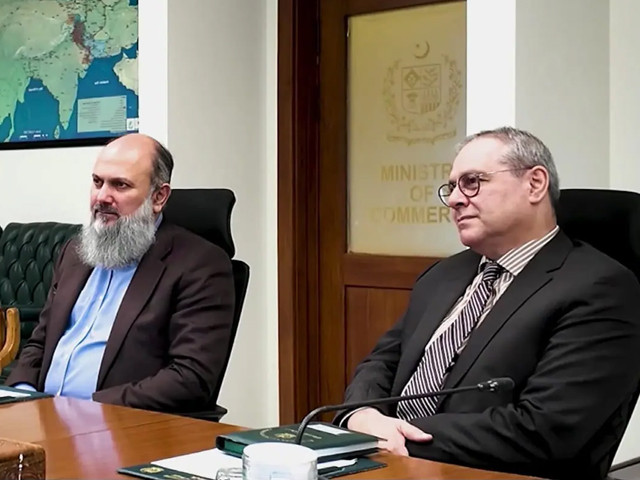
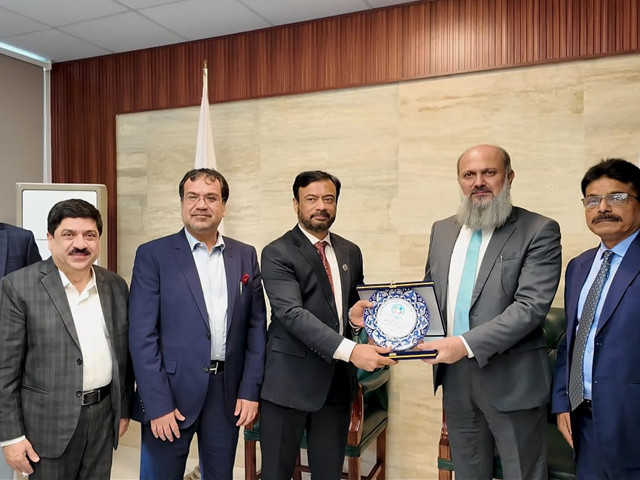
ISLAMABAD: A delegation from National Steel Complex Limited met Federal Minister for Commerce Jam Kamal Khan to discuss issues affecting industrial competitiveness, tariff rationalisation, value-added manufacturing and operational difficulties facing the steel and engineering sectors.
During the meeting, the delegation outlined concerns over the current duty structure applied to raw materials, intermediate goods and products processed through Export Processing Zones (EPZs).
According to the delegation, industries that import raw materials into the tariff area are required to pay customs duty at the time of import. They said further duties are then charged again when processed or value-added products return from EPZs to the tariff area.
The representatives told the minister that this mechanism effectively creates double taxation on industrial products and raises manufacturing costs, particularly for industries engaged in machining, lining, coating, fabrication and other value-added industrial activities.
They proposed that duties should be charged only on the additional value created within the EPZ rather than on the total value of the finished product.
Concerns over valuation and classification
The delegation also pointed to technical complications linked to customs valuation, the classification of processed products and the assessment of value addition during industrial processing.
It was explained in the meeting that the National Tariff Commission (NTC) mainly serves as a technical body on tariff-related matters, offering analytical and advisory support on tariff structures and trade remedy measures.
The commission is also responsible for applying trade protection instruments, including safeguards against unfair trade practices by foreign exporters, with the aim of protecting local manufacturers.
Broader industrial pressures highlighted
The delegation further informed the commerce minister about the difficulties confronting long-term industrial projects amid rising energy costs, shifting tariff structures and changing economic conditions.
The discussion brought together concerns related not only to taxation and tariff treatment but also to the wider operating environment for the steel and engineering sectors, which the delegation said is affecting industrial activity and value-added manufacturing.
The meeting focused on how the existing framework is impacting manufacturers that rely on imported inputs and EPZ-based processing, with the delegation urging a review of the current mechanism to address the burden created by repeated duty application.
Comments
No comments yet. Be the first to join the discussion!