

Heatwave strains Karachi hospitals
Karachi’s severe heatwave has increased pressure on hospitals, with hundreds of patients arriving with heat-related illnesses. Doctors have urged residents to avoid peak hours and stay hydrated.

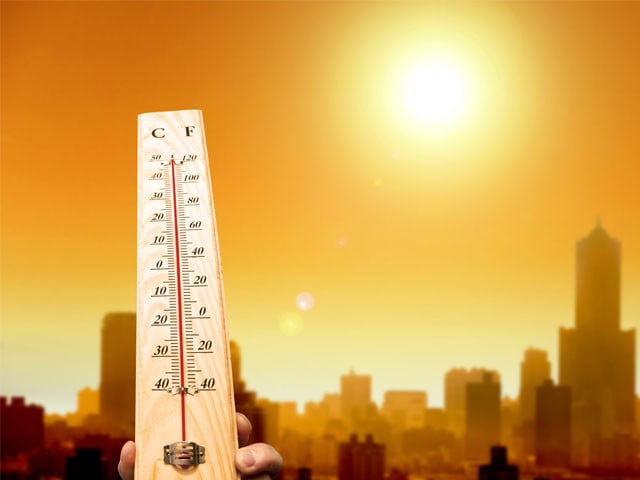
KARACHI: An intense spell of heat in Karachi has put growing pressure on the city’s healthcare system, with government and private hospitals reporting a steady influx of patients affected by heat-related illnesses.
Temperatures in Karachi recently climbed to around 42 to 44 degrees Celsius, making it one of the hottest periods seen in recent years. In these conditions, at least eight to ten people died, with reports indicating that most of the deaths were associated with heatstroke and dehydration.
The extreme weather has also compounded daily hardships for residents. Damaged roads and severe traffic congestion have turned even short journeys into long and exhausting commutes. Passengers travelling in buses and vans have been facing severe discomfort in the heat, while the absence of heat shelters in the city has added to the difficulties. Ongoing road excavation work has further worsened travel conditions during the hot spell.
Hospitals report rising number of cases
Hundreds of people affected by the heat are currently being reported at public and private hospitals across Karachi. Alongside heat-related illnesses, hospitals are also seeing more patients with diarrhea, gastroenteritis and health complications among elderly people.
Welfare organisations have also rescued drug users found in critical condition on roadsides during the heatwave.
A heatstroke patient, Ashfaq, said he sells vegetables from a roadside cart. After prolonged exposure to the heat, he felt dizzy and lost mental balance. He was taken to Civil Hospital, where he was given drips and treatment before being discharged.
According to the in-charge of the emergency department at Civil Hospital Karachi, dozens of heatstroke patients are being brought to the hospital every day. At Jinnah Hospital, 80 to 90 patients are reporting daily for treatment. Similar conditions have been reported at Abbasi Shaheed Hospital, Sindh Government Qatar Hospital, Liaquatabad Hospital, Malir Saudabad Hospital and Korangi Hospital, where dozens of patients are arriving each day.
Officials at Jinnah Hospital said patients from different parts of the city were being treated daily because of the heatwave. Civil Hospital emergency in-charge Dr Imran said more than 100 patients suffering from dehydration, salt deficiency and diarrhea were reaching the emergency department and outpatient department every 24 hours.
The administration of Abbasi Shaheed Hospital said dozens of men, women and children were being brought in with heat exhaustion. Ibrahim Hyderi Hospital is receiving 50 to 60 patients daily, while New Karachi Hospital is reporting 70 to 80 heat-affected patients each day. Orangi Town Qatar Hospital is also treating dozens of people exposed to intense sunlight. Liaquatabad Hospital is receiving more than two dozen cases daily, while Saudabad Hospital is reporting 25 to 30 patients every day.
Private hospitals are also receiving a large number of heat-affected patients, although no official government-level data has been released.
Doctors urge precautions
Civil Hospital Medical Superintendent Dr Khalid Bukhari said weather conditions in Karachi had become harsher and advised the public to take preventive steps. "People should avoid going out between 11am and 6pm. If necessary, people should carry water bottles and wet cloths for protection. Symptoms of heat stroke include dizziness, nausea, and extreme weakness. Patients should immediately be moved to a cool place and given water or home-made drinks. Lemon water and light meals, especially yogurt, are recommended," he said.
Public health expert Dr Pir Ghulam Nabi Shah Jilani said excessive sweating causes the body to lose salts, creating a serious imbalance in bodily functions. "Patients should be treated with cold water, IV drips, and fluids. Colourful bottled drinks sold in suburban areas often contain bacteria due to heat exposure, leading to diarrhea and cholera."
Comments
No comments yet. Be the first to join the discussion!


