

Child stunting rates fall under Benazir programme, study shows
An Aga Khan University evaluation has found lower child stunting rates and improved maternal and newborn health outcomes under the Benazir Nashonuma Programme. Officials said the programme has reached over 4.5 million women and children across 157 districts.

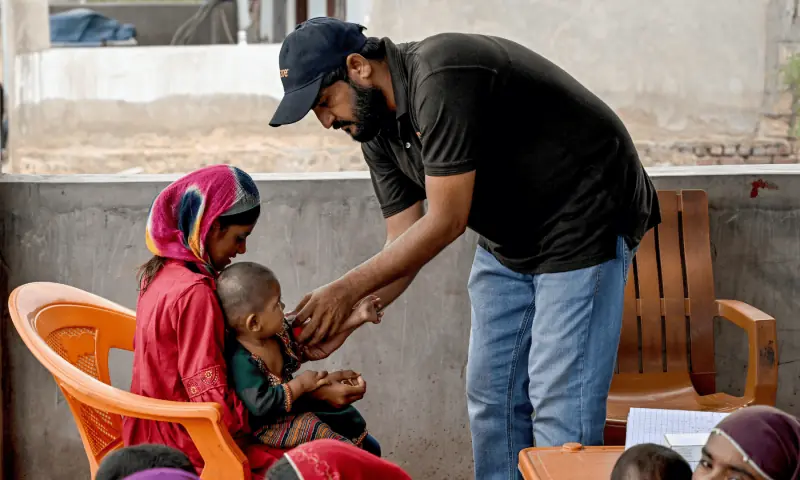
ISLAMABAD: Pakistan has recorded a significant reduction in child stunting under the Benazir Nashonuma Programme, alongside improvements in maternal and newborn health indicators, according to an evaluation carried out by the Aga Khan University.
The findings were presented by AKU during a session on the Endline Impact Evaluation of the Benazir Nashonuma Programme held at the Benazir Income Support Programme headquarters in Islamabad on Thursday.
According to the study, stunting among children benefiting from the programme was 22 per cent lower at six months of age and 18 per cent lower at one year of age. The evaluation also found a 6 per cent drop in cases of low birth weight, an 11 per cent decline in premature births, and a 7 per cent reduction in weak and vulnerable newborns.
Officials call findings a major milestone
Speaking at the event, Federal Minister for Poverty Alleviation and Social Safety Syed Imran Ahmed Shah described the results as a major achievement for Pakistan’s social protection sector.
He said the evaluation showed that focused nutrition and maternal health measures could substantially improve child health outcomes and help reduce stunting in vulnerable communities.
BISP Chairperson Senator Rubina Khalid said the Benazir Nashonuma Programme carried special importance because healthy mothers and children were vital to building a strong and prosperous nation.
Senator Khalid said the programme had reached more than 4.5 million women and children in 157 districts through a countrywide network of 578 facilitation centres and 169 stabilisation centres.
She added that BISP was combining social protection with nutrition and health interventions to support long-term human development and improve the well-being of vulnerable families.
Programme reach highlighted
The evaluation presented by AKU linked the programme with measurable gains in child and maternal health outcomes. The figures shared at the session pointed to lower stunting rates in infancy as well as improvements in birth-related indicators among beneficiaries.
Officials at the event said the results underscored the role of targeted support for mothers and children in addressing malnutrition and related health risks. The programme’s reach across 157 districts was also highlighted as part of a broader effort to support vulnerable households through integrated welfare, nutrition and health services.
The Benazir Nashonuma Programme is being implemented through an extensive network of facilitation and stabilisation centres, with officials saying the initiative is aimed at improving the health and nutritional status of women and children covered under the scheme.
Comments
No comments yet. Be the first to join the discussion!


