

Cantonment boards directed to cut surplus staff, reduce non-development spending
Authorities have directed 44 cantonment boards to reduce non-development spending by phasing out surplus staff, improving revenue recovery, and shifting to paperless administration. Boards have also been told to modernise food departments and enforce hygiene standards.

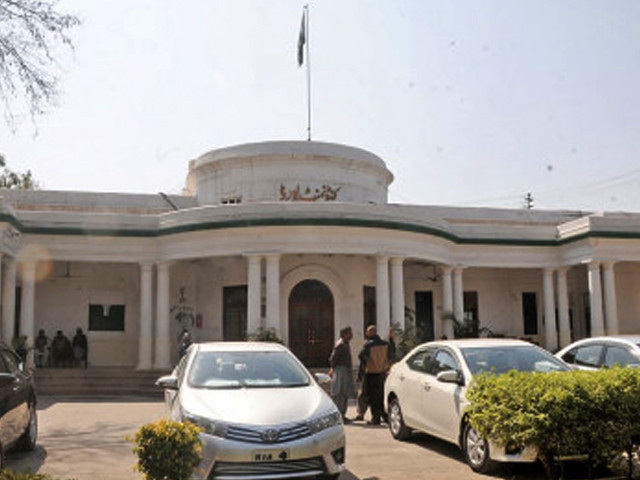
ISLAMABAD: The authorities concerned have decided to lower non-development expenditure in 44 cantonment boards across the country, including Rawalpindi and Chaklala, by gradually removing surplus staff, enforcing newly approved staffing ceilings, shifting administrative work toward a paperless system, and putting in place a food quality control mechanism based on hygiene standards.
The competent authority has issued instructions to all cantonment boards to expand their revenue streams, strengthen recovery systems, and steadily reduce the large share of their budgets that is being spent on salaries and other non-development heads.
As part of this plan, overstaffing is to be addressed through a reassessment of the sanctioned strength of each board, with staffing levels to be fixed strictly in line with actual operational needs. After that, excess employees are to be reduced in phases. The savings generated through this process are to be diverted to development schemes.
The move is also aimed at easing the longer-term financial pressure on cantonment boards arising from salaries and pensions. Cantonment sources indicated that the competent authority has shown concern over the high proportion of non-development expenditure in comparison with development spending in a number of cantonments.
Revenue and administrative reforms
The directions also call for cantonment boards to improve their income generation and recovery performance. The broader objective is to create more fiscal space for development work by reducing recurring administrative costs.
At the same time, steps have been launched to move office operations toward a paperless system. The transition is intended to improve transparency, efficiency, and governance through automation, while also ensuring secure maintenance of records.
Food departments to be modernised
In addition to the financial and administrative measures, cantonment boards have also been told to modernise and activate their food departments. The purpose of this step is to ensure the availability of food items in line with prescribed hygiene standards.
The measures apply to all 44 cantonment boards nationwide. Rawalpindi and Chaklala are among the boards specifically mentioned. The overall policy direction combines expenditure control, staffing rationalisation, administrative digitisation, and food regulation as part of a wider effort to improve governance and redirect resources toward development.
The implementation would be gradual, particularly in relation to reducing excess staff, with sanctioned strength to be aligned with actual requirements in each cantonment board.
Comments
No comments yet. Be the first to join the discussion!


