

April 28, 2026
Shrinking snow cover raises water scarcity risk in Indus basin
ICIMOD has warned that shrinking snow cover in the Hindu Kush-Himalaya region is increasing the risk of water scarcity in the Indus Basin. The report says the basin remains below normal and calls for stronger water management and drought preparedness.

April 28, 2026
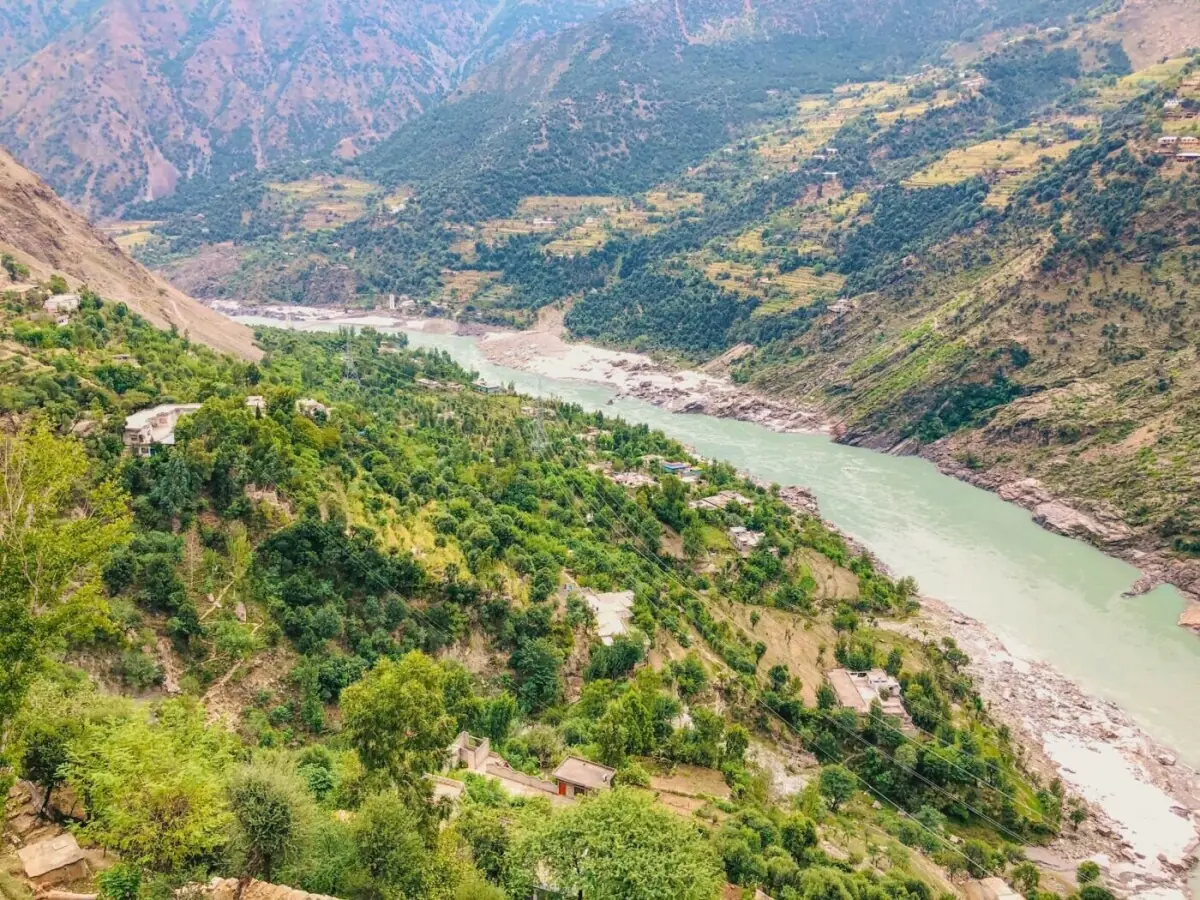
ISLAMABAD: The Indus River Basin is facing an increasing risk of water shortages as snow cover across the Hindu Kush-Himalaya (HKH) region has dropped to 27.8 per cent below the long-term average, according to the Snow Update Report 2026 issued by the International Centre for Integrated Mountain Development (ICIMOD).
The report says the decline has surpassed last year’s record low and marks the fourth straight year of below-normal snow persistence in the region. It adds that 10 of the 12 major river basins originating in the HKH region, including the Indus Basin, have recorded below-normal snow levels.
Snow persistence in the Indus Basin remains 18 per cent below normal. It warns that the continued reduction in seasonal snow, together with below-normal spring precipitation, could result in lower runoff, greater dependence on groundwater extraction, and a higher risk of drought across the region.
The report notes that after a high of 19.5 per cent in 2020, the Indus Basin fell sharply to 24.5 per cent below normal in 2024, the lowest level recorded in the last 24 years. In 2026, the deficit remains at 18.1 per cent below normal. ICIMOD said this trend could worsen early summer water shortages in a basin where nearly half of the runoff comes from meltwater, putting almost 300 million people at risk.
Wider regional concern
ICIMOD said the sustained decline points to a broader weakening of seasonal snow reserves across the world’s highest mountain range, creating a growing threat to water security for nearly two billion people who rely on the 12 major basins fed by the HKH region.
The report states that among the 10 basins with below-normal snow persistence, the Mekong, Tarim and Tibetan Plateau have registered their lowest levels in 24 years of monitoring. It says these conditions are particularly concerning for downstream water availability in early summer.
Only the Ganges and Irrawaddy basins recorded above-normal snow persistence, while severe shortfalls continue in the Mekong, the Tibetan Plateau and the Salween.
Call for water management measures
ICIMOD has urged authorities to put in place adaptive water management plans and improve drought preparedness. Early warning systems, better water allocation and coordinated action among relevant agencies would be essential to reduce the impact of possible shortages.
The report also called for effective drought response arrangements to ensure timely relief and maintain water supplies in snow-dependent parts of South Asia.
The HKH region depends heavily on the cryosphere, or frozen water on the Earth’s surface, as a major freshwater source for more than two billion people. On average, snowmelt contributes about 23 per cent of total river runoff in the region, with its share increasing from east to west.
Seasonal snowmelt remains especially important in several basins. Snowmelt contributes 74.5 per cent of runoff in the Amu Darya, 77.5 per cent in the Helmand, 39.7 per cent in the Indus and 23.9 per cent in the Tarim.
Sher Muhammad, author of the HKH Snow Update 2026, said, “What we are seeing is a persistent trend where the seasonal snow reservoir is shrinking year after year.” He added, “The 2026 data confirm a breaking point: 10 out of 12 basins are below normal, and several have reached their lowest recorded levels in two decades.”
The report says farmers in the Indus, Helmand and Amu Darya basins are likely to face irrigation shortages during the early growing season. It adds that hydropower operators in the Mekong, Yangtze and Brahmaputra basins should expect below-normal electricity generation in early summer.
ICIMOD further warned that repeated low-snow years have limited the replenishment of groundwater and soil moisture, increasing exposure to future drought. “Every dry spell will hit harder,” the report states. It adds, “Regional cooperation on these interconnected issues has now become urgent. We need to shift from emergency response to proactive, science-based governance.”
0 Comments
No comments yet. Be the first to join the discussion!


