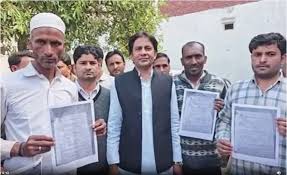
Muslims 'disproportionately' affected by voter roll deletions in West Bengal: report
Muslims were disproportionately affected after around nine million voters were removed from electoral rolls in West Bengal. The deletions came ahead of ongoing state elections in India.

NEW DELHI: Muslims were disproportionately affected after about nine million voters were removed from electoral rolls ahead of provincial legislative elections in India’s eastern state of West Bengal, according to a report by Al Jazeera cited by Express Tribune.
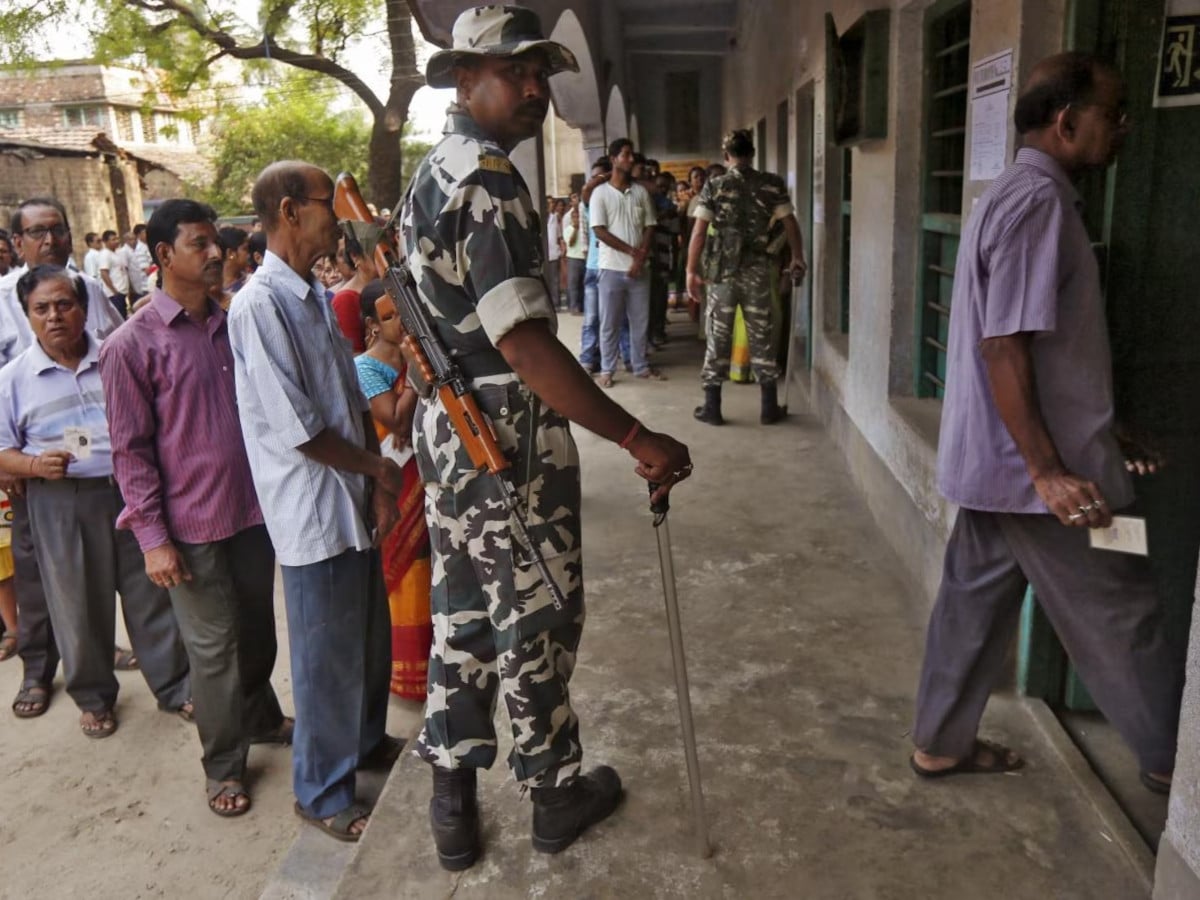
Millions of voters cast ballots last week as two Indian states held assembly elections. The Indian Election Commission said polling began early in the morning in West Bengal and in the southern state of Tamil Nadu.
In West Bengal, voting in the first phase took place in 152 constituencies out of a total of 294 seats, while a second phase of polling was scheduled for this week. Prime Minister Narendra Modi’s Bharatiya Janata Party (BJP) mounted an intensive campaign in the state in an effort to unseat Chief Minister Mamata Banerjee, who is seeking a fourth straight term. The state has nearly 68 million eligible voters.
The elections are being held amid opposition concerns over the deletion of names during the special intensive revision of electors carried out by the Election Commission. The commission has also extended similar exercises to other parts of the country.
Officials said around nine million voters were removed from the rolls as part of an exercise intended to eliminate duplicate, deceased or otherwise ineligible voters. Banerjee has accused the BJP of trying to divide people along religious and caste lines, an allegation the BJP has denied.
West Bengal has nearly 25 million Muslims, or about 27% of its 106 million population, based on the last census conducted in 2011. That makes it the second-largest Muslim population among Indian states after Uttar Pradesh.
The Al Jazeera report said districts with large Muslim populations and potential electoral influence saw particularly high numbers of deletions. "The analysis of voter deletions across West Bengal shows that Muslims have been disproportionately affected by the SIR (special intensive revision) exercise, mainly in districts where they constitute a high percentage of the population and could sway the election, including Murshidabad with 460,000 deletions, followed by 330,000 in North 24 Parganas and 240,000 in Malda," it stated.
It met nearly a dozen Muslim families in Gobindapur, Gobra and Balki villages of North 24 Parganas. Some said their names had been removed despite having documents, while others were facing difficulties related to proof of residence, surname changes after marriage, remarriage of parents, spelling discrepancies in names, proof of migration to other states, or their names appearing in the last SIR list published in 2002.
An analysis found "while Muslims make up about 25% of Nandigram’s population, more than 95% of the names deleted from the list were Muslims. Similarly, Bhabanipur has 20% Muslims, but 40% of voters deleted in the constituency are Muslim."
Sabir Ahamed of the Kolkata-based SABAR Institute, described in the report as an independent research organisation, was quoted as saying: "Our studies find that Muslims from the mapped population have been disproportionately deleted."
By Thursday evening, voter turnout in West Bengal had reached nearly 90%. In Tamil Nadu, where there are about 57 million eligible voters, turnout was over 80% by late afternoon on Thursday, the Election Commission said.
The BJP has also sought to win support in Tamil Nadu in an attempt to form a government there, though it has never previously formed a government in the southern state.
Earlier this month, voting was also held in the northeastern state of Assam, the southern state of Kerala, and the federally administered territory of Puducherry. Results for all the elections are due to be announced on May 4.
Comments
No comments yet. Be the first to join the discussion!