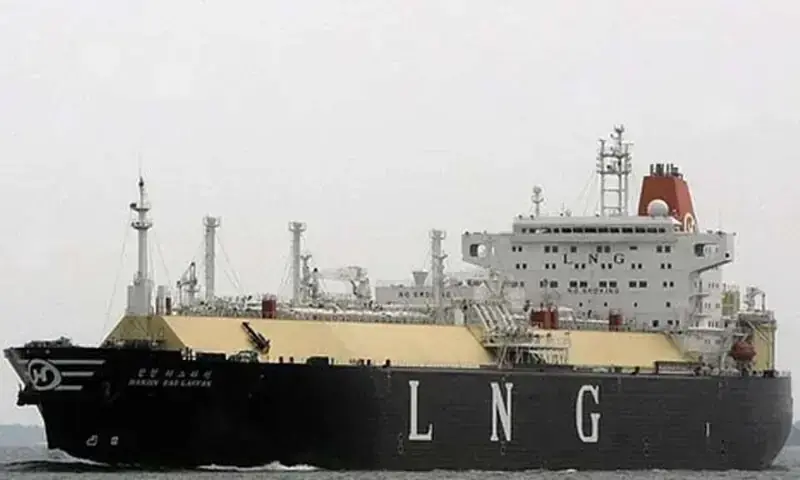
Pakistan LNG approves $18.4 per mmBtu spot cargo amid Hormuz disruption
Pakistan LNG Limited has approved a revised $18.4 per mmBtu bid from TotalEnergies for an LNG cargo due between April 27 and 30, while rejecting other offers. The move comes amid power shortages and disruption linked to the Strait of Hormuz closure.

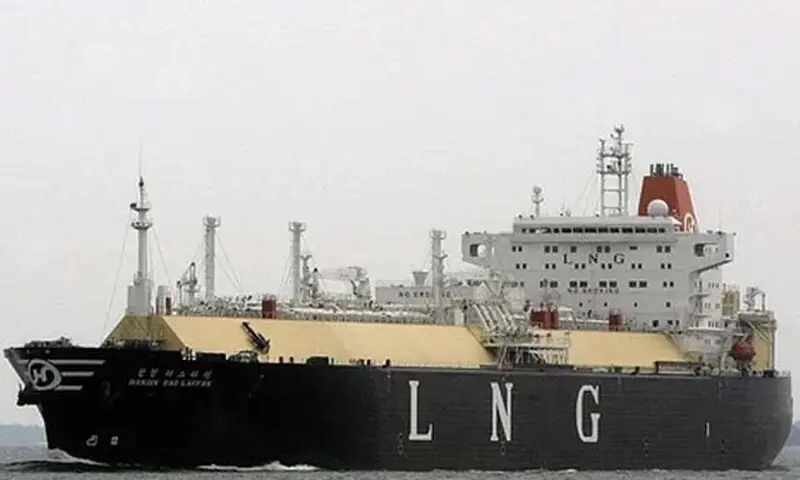
ISLAMABAD: State-owned Pakistan LNG Limited (PLL) has approved a revised bid from TotalEnergies at $18.4 per million British thermal units (mmBtu) for an LNG cargo scheduled for delivery between April 27 and 30, while turning down all other offers received in the latest tender.
According to the reported details, TotalEnergies had originally submitted a bid of $18.88 per mmBtu, but reduced it to $18.4 per mmBtu after negotiations. Following internal consultations, authorities decided not to accept the remaining bids for deliveries in the first half of May, expecting that the Strait of Hormuz would reopen.
PLL had received four bids on Friday, ranging from $17.997 to $18.88 per mmBtu, for deliveries between April 27 and May 8. The offers came from three bidders, and three of them were identified as the lowest for different delivery windows. Vitol Bahrain offered the lowest bid of $18.54 per mmBtu for the May 1 to 7 window, while OQ Trading submitted the lowest offer of $17.997 per mmBtu for May 8 to 14. Both of those bids were rejected.
The company had issued urgent tenders on Thursday for the import of three LNG cargoes for the stated delivery period as temperatures rose and electricity shortages widened. April 24 had been fixed as the deadline for bid submission and opening because of the immediate requirement to support power generation.
The power shortfall had exceeded 4,500MW during peak demand, leading to six to seven hours of loadshedding. The tender was floated after Qatar showed reluctance to send LNG cargoes stranded in the Gulf because of the closure of the Strait of Hormuz. Three LNG shipments from Qatar intended for Pakistan had earlier turned back from the strait due to security concerns.
Higher LNG cost expected to raise RLNG price
With domestic charges and taxes added, the sale price of regasified LNG is expected to reach about $23 per mmBtu, almost twice the level recorded in March.
Last month, the Oil and Gas Regulatory Authority (Ogra) notified a 19 to 22 per cent increase in regasified liquefied natural gas (RLNG) prices to $12.50 to $14 per mmBtu at the distribution stage for the two Sui gas companies for March, based on an import price of around $7.6 per mmBtu. Ogra data showed the increase was mainly driven by higher terminal charges amid lower import volumes, along with a slight increase in import prices.
The basket RLNG price for March was calculated on the basis of only two cargoes, compared to eight cargoes each in February and March 2026, after Qatar declared force majeure when its gas facilities came under attack and the Strait of Hormuz was closed. Both cargoes were imported under two LNG contracts between Pakistan State Oil (PSO) and Qatar Gas at an average delivered ex-ship price of about $7.68 per mmBtu, compared to $7.45 per mmBtu a month earlier and $8.9 per mmBtu in March last year.
PLL had also imported one cargo a couple of months ago after a gap of nearly a year, at a rate of $7.65 per mmBtu under an older contract with a private entity. The company last floated an LNG tender in December 2023 for delivery in January 2024, but that tender was later cancelled.
Power demand pressures build ahead of summer
Amid criticism over loadshedding before the start of peak summer, the Power Division had already asked the Petroleum Division earlier last week to arrange around 400 million cubic feet per day (mmcfd) of LNG for electricity generation, while hoping international supply routes would reopen.
Summer peak demand usually rises above 28,000MW. At present, peak-hour demand stands at around 19,000 to 20,000MW and falls below 10,000MW during the daytime, partly because of greater reliance on solar energy. While solar generation has reduced dependence on the national grid during daylight hours, many users return to grid electricity after sunset.
The power shortfall was short by more than 4,500MW at peak, resulting in six to seven hours of loadshedding.
Comments
No comments yet. Be the first to join the discussion!