Rising medicine prices deepen hardship for patients
Medicine prices in Peshawar have risen sharply, with insulin and other essential drugs becoming increasingly unaffordable for many patients. Officials and stakeholders have also raised concerns over weak regulation and arbitrary pricing at some medical stores.

PESHAWAR: A steep increase in petroleum prices has pushed up the cost of essential items, including medicines, adding to the financial pressure on patients and low-income families, according to officials and affected residents cited in the report.
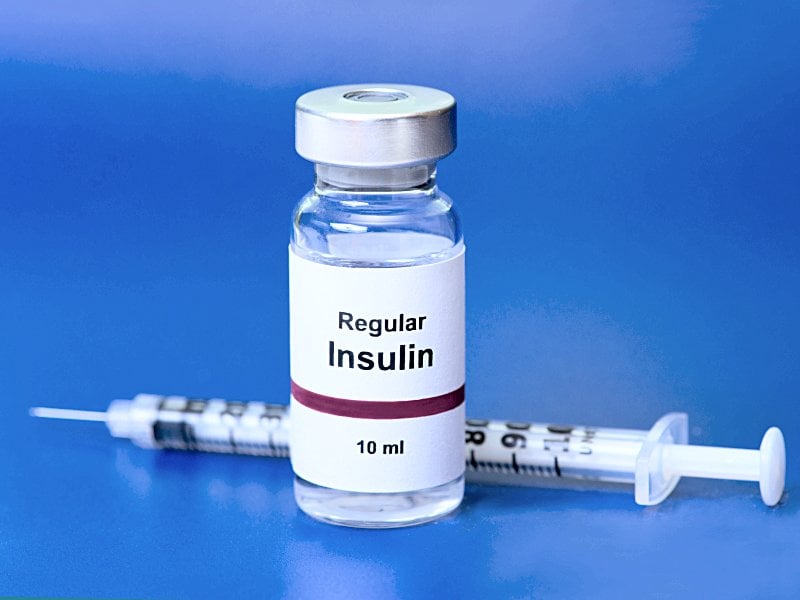
The impact has been especially severe for people living with chronic diseases, with the prices of key medicines, including insulin, rising sharply. Private pharmaceutical companies have raised the prices of a number of medicines without prior notice, further straining middle- and lower-income households already dealing with inflation.
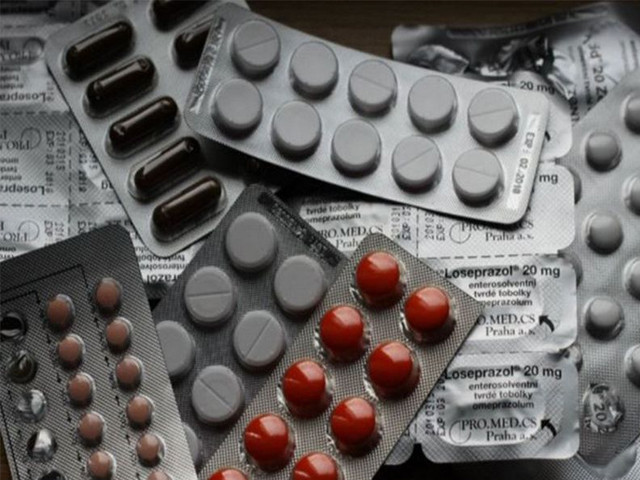
Insulin, which is essential for diabetes patients, has risen from Rs2,200 to as much as Rs4,720. Medicines used for indigestion and acidity have increased from Rs530 to Rs620, while vitamins and dietary supplements have gone up from Rs480 to Rs510. Drugs used for typhoid have climbed from Rs805 to Rs930. Medicines used in cancer treatment and during pregnancy have also become costlier by around Rs400.
Patients describe growing difficulties
Zafar Ali, a resident of Peshawar, said he has been living with diabetes for the past 10 years and depends on daily insulin injections. He said the latest inflationary wave, partly linked to higher fuel prices, has made it extremely difficult for him to continue treatment.
‘My salary is Rs40,000 a month, and I cannot afford medicine that now costs Rs4,000,’ he said, adding that the price of insulin has effectively doubled in recent months.
Ali also alleged that the problem has been aggravated by artificial shortages at some medical stores seeking to benefit from higher prices. "On one hand, medicines have become more expensive, and on the other, some pharmacies are hoarding stock, making drugs even harder to access," he said.
Concerns over regulation and pricing
Arshad Mohmand, coordinator of the Khyber-Pakhtunkhwa Medical Drug Association, said the prices of insulin, cancer medicines and other life-saving drugs have increased by Rs1,000 to Rs4,000.
He said many medical stores do not display official rate lists, while others charge customers arbitrary prices. Mohmand also raised concerns about weak oversight, saying that some pharmacies are operating without proper licences or are using fake documentation.
‘The government has yet to effectively regulate medical stores,’ he said, while calling on the authorities to improve enforcement.
He urged the government to make the Drug Regulatory Authority of Pakistan more active and autonomous, increase the number of drug inspectors in the province, and impose strict penalties on those violating official pricing rules.
Official response
Chief Drug Controller Khyber-Pakhtunkhwa Dr Abbas Khan said the pricing of essential medicines falls under the federal government’s jurisdiction. He said that under the DRAP Act 2012, the Drug Act 1976 and the Pricing Policy 2018, the authority to set medicine prices rests with the federal cabinet.
He added that provincial governments are responsible for regulating medicines in line with prices approved by the federal authorities and the Drug Regulatory Authority of Pakistan, highlighting the need for coordinated action to address the difficulties being faced by patients.
Comments
No comments yet. Be the first to join the discussion!