Govt warns growth to slow amid budget cuts, Middle East shocks
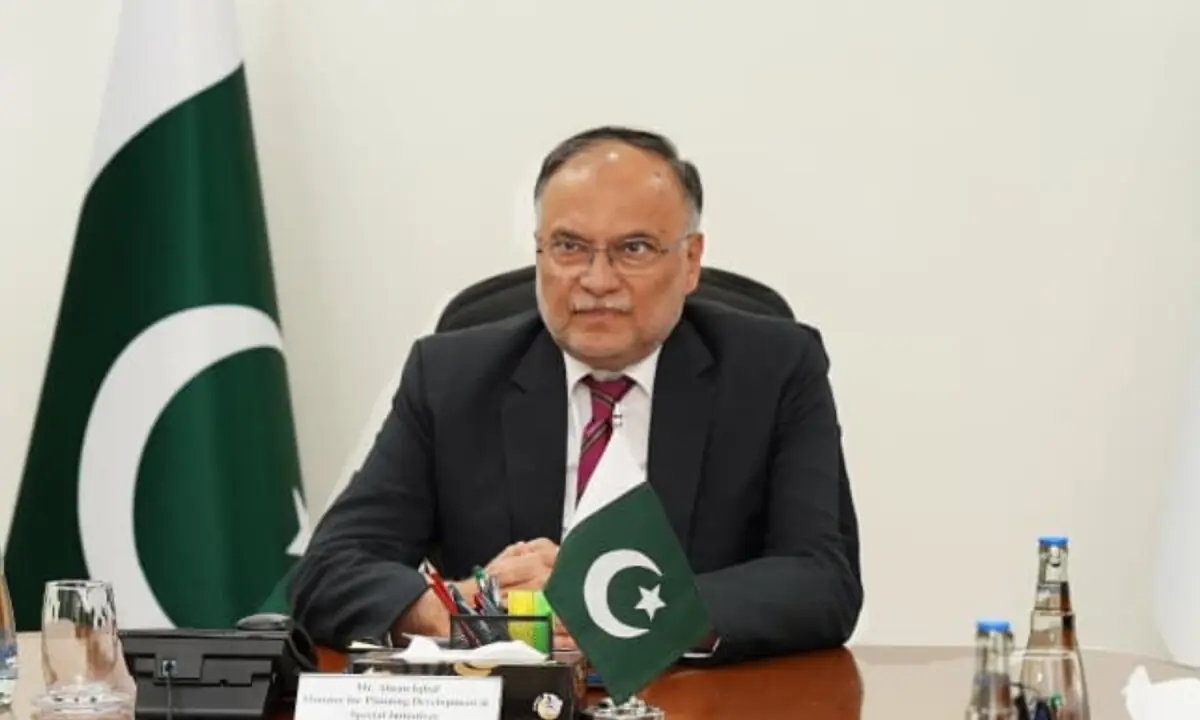
Planning Minister Ahsan Iqbal says cuts in development spending and the Middle East crisis are expected to slow Pakistan’s growth. He said the 4.2 per cent target for the current fiscal year could be affected.

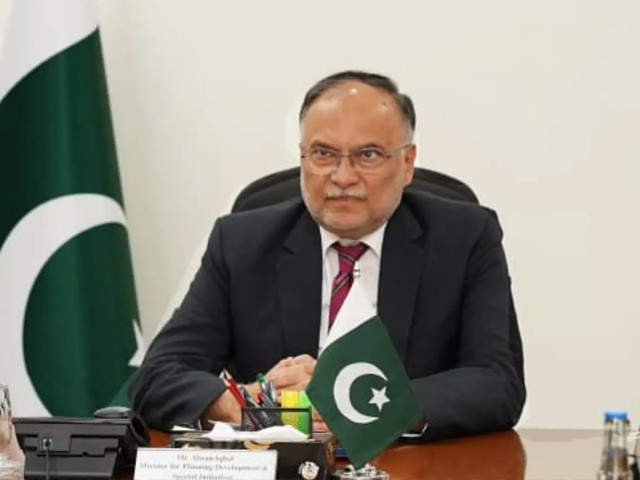
ISLAMABAD: Pakistan’s economic growth is set to come under pressure in the current and upcoming fiscal years, as the government acknowledged that reduced development spending and external shocks from the Middle East conflict are weighing on the outlook.
Planning Minister Ahsan Iqbal said a nearly 20 per cent cut in development spending, combined with rising oil prices and inflation driven by disrupted global supply chains, would slow economic momentum and put the 4.2 per cent growth target at risk.
Speaking at a press conference, he said the reduction in the Public Sector Development Programme (PSDP) would have a direct negative impact on growth, especially when coupled with elevated global oil prices and inflationary pressures.
International financial institutions have already projected Pakistan’s growth to fall between 3.2pc and 3.5pc, below the official target.
The minister said the PSDP had been slashed by Rs173 billion to Rs837bn, down from an earlier allocation of Rs1.01 trillion. He explained that the cut was made to finance the Prime Minister’s Austerity Fund, which was used to subsidise fuel — particularly diesel — during the harvesting season.
Iqbal warned that the economic impact of the Middle East crisis would be more pronounced in the first half of the next fiscal year, even if hostilities were to end immediately, as global supply chains typically take six to nine months to stabilise.
He noted that the current fiscal year may see a relatively smaller impact since the crisis emerged after three quarters had already passed, but cautioned that the next fiscal year would face stronger headwinds.
On diplomacy, the minister expressed cautious optimism regarding the second round of US-Iran talks being facilitated by Pakistan, saying such complex conflicts required flexibility from both sides to reduce global tensions and economic risks.
He stressed that a peaceful resolution was critical to avoiding a wider inflationary shock and the threat of global stagflation.
Iqbal said Pakistan’s economy had shown improvement earlier in the year, with GDP growth reaching 3.8pc in the first half compared to 1.9pc in the same period last year, before being hit by what he described as an “external shock” from the Middle East crisis.
He added that oil prices and uninterrupted supply chains were vital for global economic stability, noting that while Pakistan managed to avoid major supply disruptions, it had to control consumption through pricing measures.
Comments
No comments yet. Be the first to join the discussion!