Formula One to introduce rule refinements from Miami race
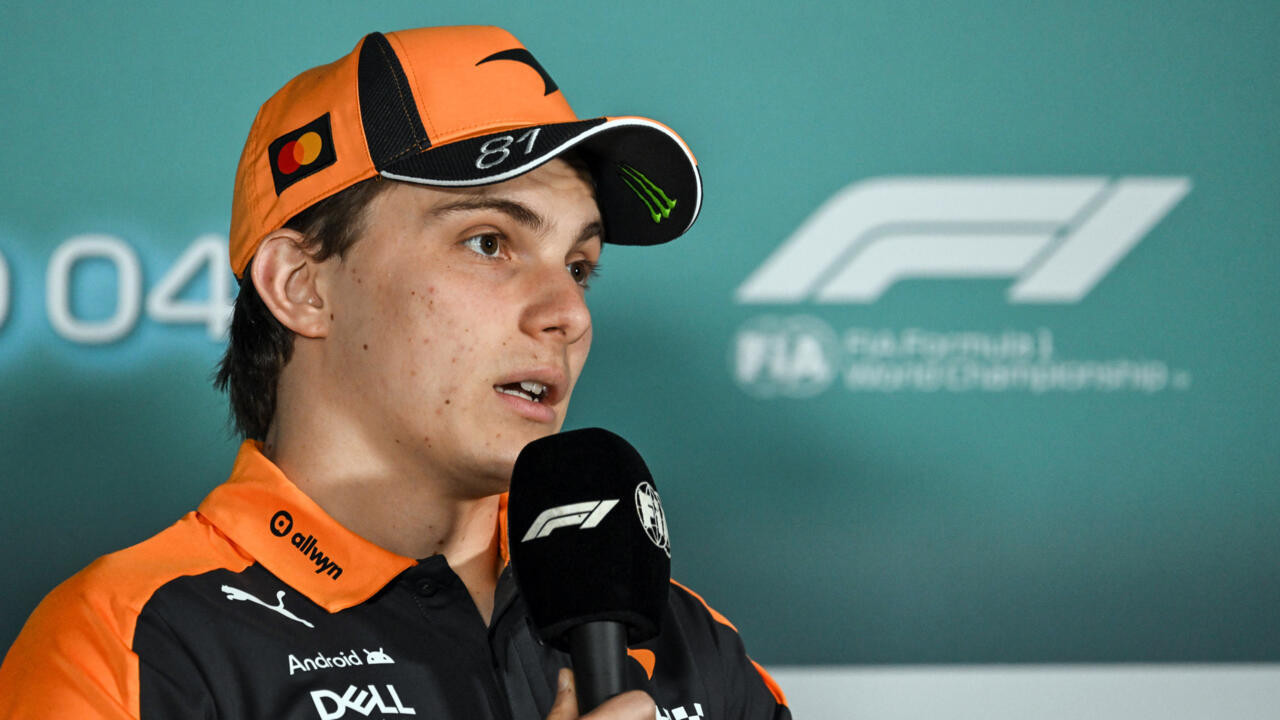
Formula One has agreed a set of engine rule refinements to be introduced from the Miami race on May 3. The FIA said the changes are intended to improve racing, energy management and driver safety under the new power-unit regulations.

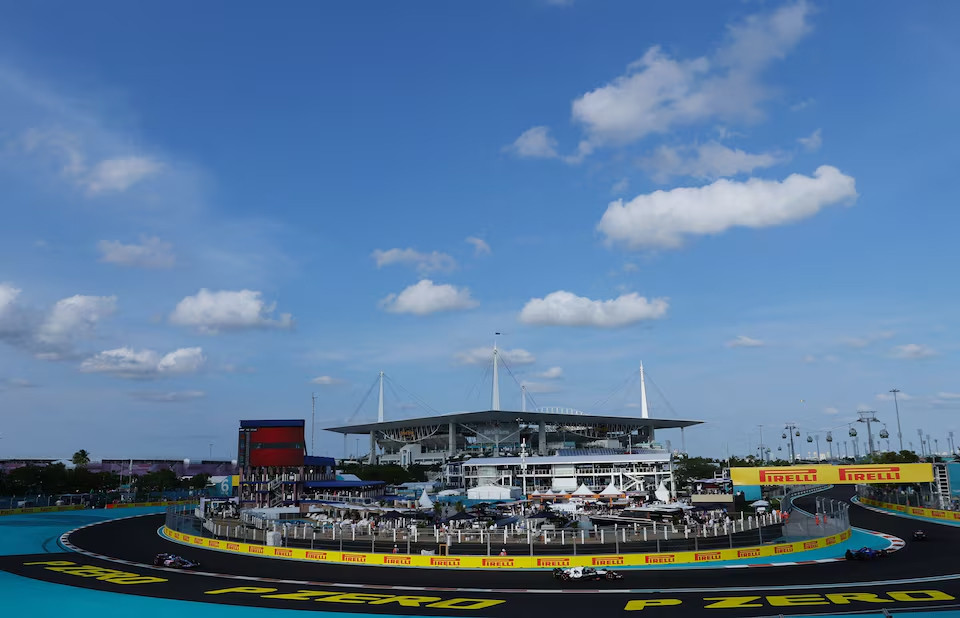
LONDON: Formula One teams and key stakeholders unanimously agreed on Monday to make adjustments to the sport’s engine regulations from the next race in Miami on May 3, with the changes aimed at improving racing and addressing driver safety concerns.
The current season began under a new set of power-unit rules, with hybrid systems now drawing roughly equal power from electric and combustion sources. Over the opening three races, several drivers raised concerns about having to lift and coast into high-speed corners so the combustion engine could recharge the battery. Concerns were also voiced about race starts and speed differences during races.
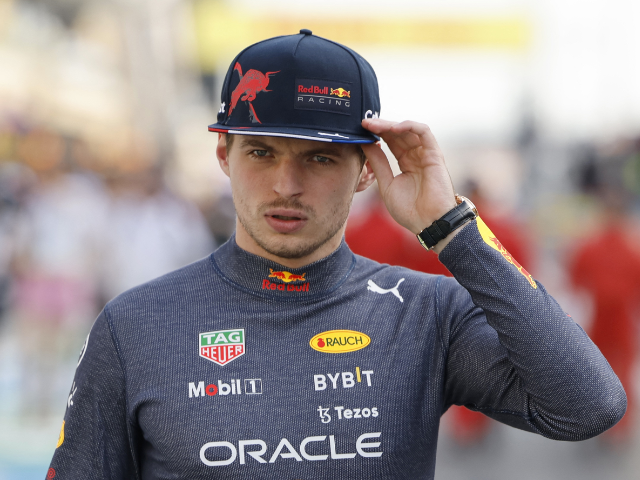
Drivers have also had to deal with super-clipping, a situation in which the power unit automatically redirects energy from the engine to the battery, reducing speed even when the driver is fully on the throttle. Red Bull’s four-times world champion Max Verstappen has questioned his future in the sport.
The governing International Automobile Federation (FIA) said in a statement that an online meeting involving the 11 team principals, power unit chief executives and Formula One agreed on a number of in-season refinements, which will now be put to a virtual vote.
“The proposals agreed today... will be implemented from Miami apart from the race start changes that will be tested in Miami and adopted following feedback and analysis”, the FIA said.
Changes to energy management and race safety
The FIA said qualifying rules would be adjusted in response to concerns over energy management. The maximum permitted recharge will be reduced from eight megajoules to seven in a move intended to promote more consistent flat-out driving. Peak superclip power will also rise from 250kW to 350kW to cut the time spent recharging.
For races, measures have been introduced to reduce excessive closing speeds and limit sudden performance gaps, with the maximum power available through boost capped at an additional 150kW.
A new system has also been developed and will be trialled to reduce the risk of a slow-starting car being hit by a faster one immediately behind. The FIA also said measures would be taken to improve safety and visibility in wet conditions.
Williams team principal James Vowles welcomed the agreed changes.
“These are sensible changes and the teams, FIA and Formula One have done good work over the past few weeks to agree them”, he said on social media.
“F1 has seen some great racing so far this year but it is right that we always look at ways to keep improving.”, he added.
Mercedes team principal Toto Wolff had earlier told reporters that changes should be made with a scalpel and not with a baseball bat, while also warning against criticising the sport publicly.
Comments
No comments yet. Be the first to join the discussion!