April 20, 2026
Preserving the Past for a Sustainable Future
A WCLA panel at Shalimar Gardens urged sustainable heritage conservation in Lahore, highlighting public awareness, youth engagement, and community-led protection of Mughal-era sites.
April 20, 2026

LAHORE: Lahore, also popularly known as the “City of Gardens,” is home to iconic Mughal relics dating back several centuries. These sites and spaces represent the rich historical traditions of the Subcontinent, reflected in their artwork, architecture, building techniques, and cultural pluralism. Preserving this rich heritage helps sustain a culture that forms the cornerstone of our identity. It was thus befitting that a discussion on the theme of “Preserving the Past for a Sustainable Future” took place at a heritage site that connects the past with the present and captures the tradition of Lahore’s idyllic gardens. The event was organized by the Walled City of Lahore Authority (WCLA).
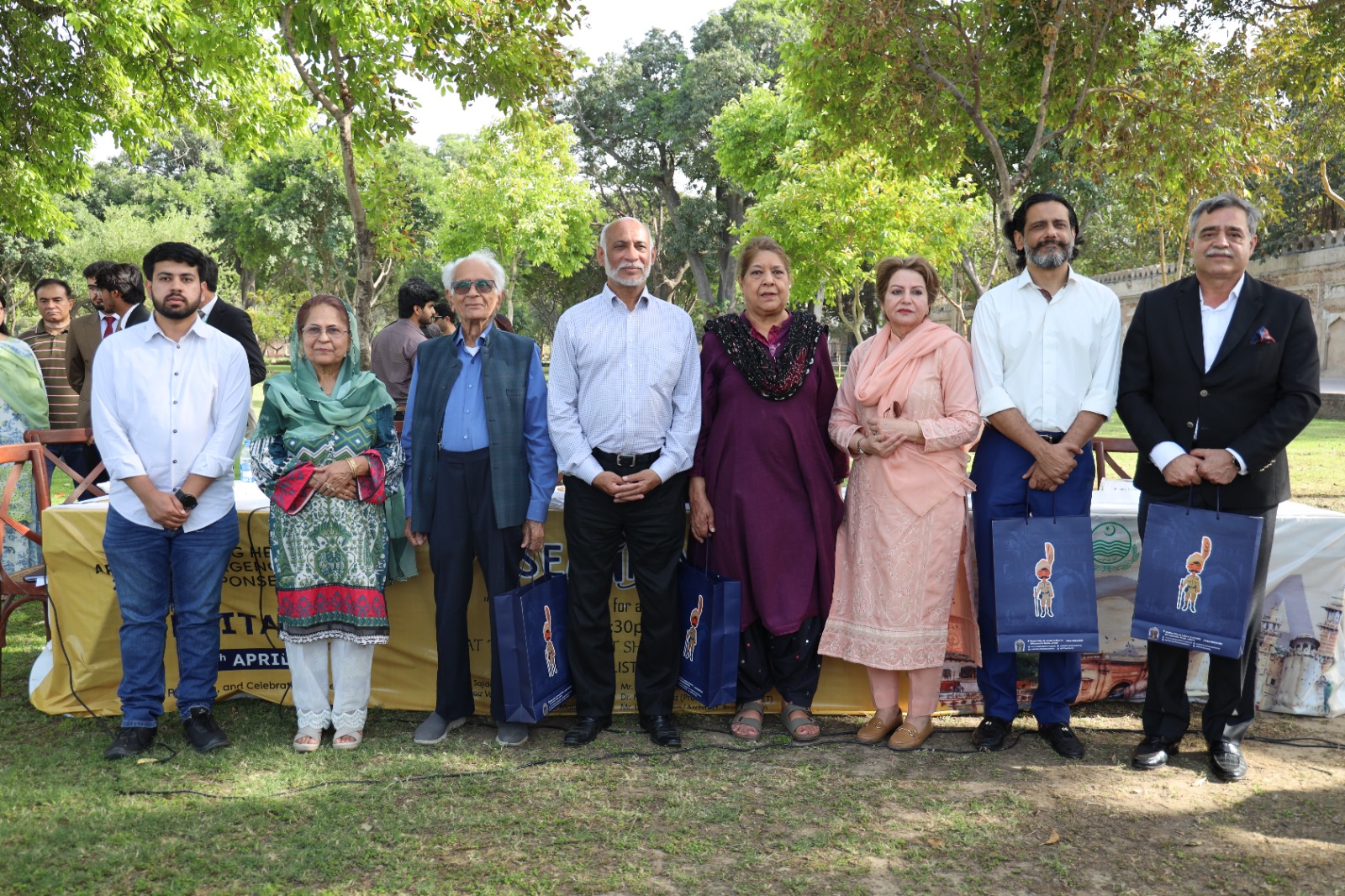
Stakeholders from academia, NGOs, and government institutions gathered at the lush Shalimar Gardens for a vibrant discussion on the importance of preserving cultural heritage through sustainable means. The panel included: Director General (DG) WCLA, Najamus Saqib; CEO THAAP, Sajida Vandal; architect and former Pro Vice Chancellor, Institute for Art and Culture (IAC), Pervaiz Vandal; Member National Assembly (MNA), Shaista Pervaiz Malik; CEO, Aga Khan Cultural Service - Pakistan, Tausif Khawaja; Professor Emeritus, University of Engineering and Technology, Lahore, Neelum Naz; and architect and professor, BNU, Umer Farooq.
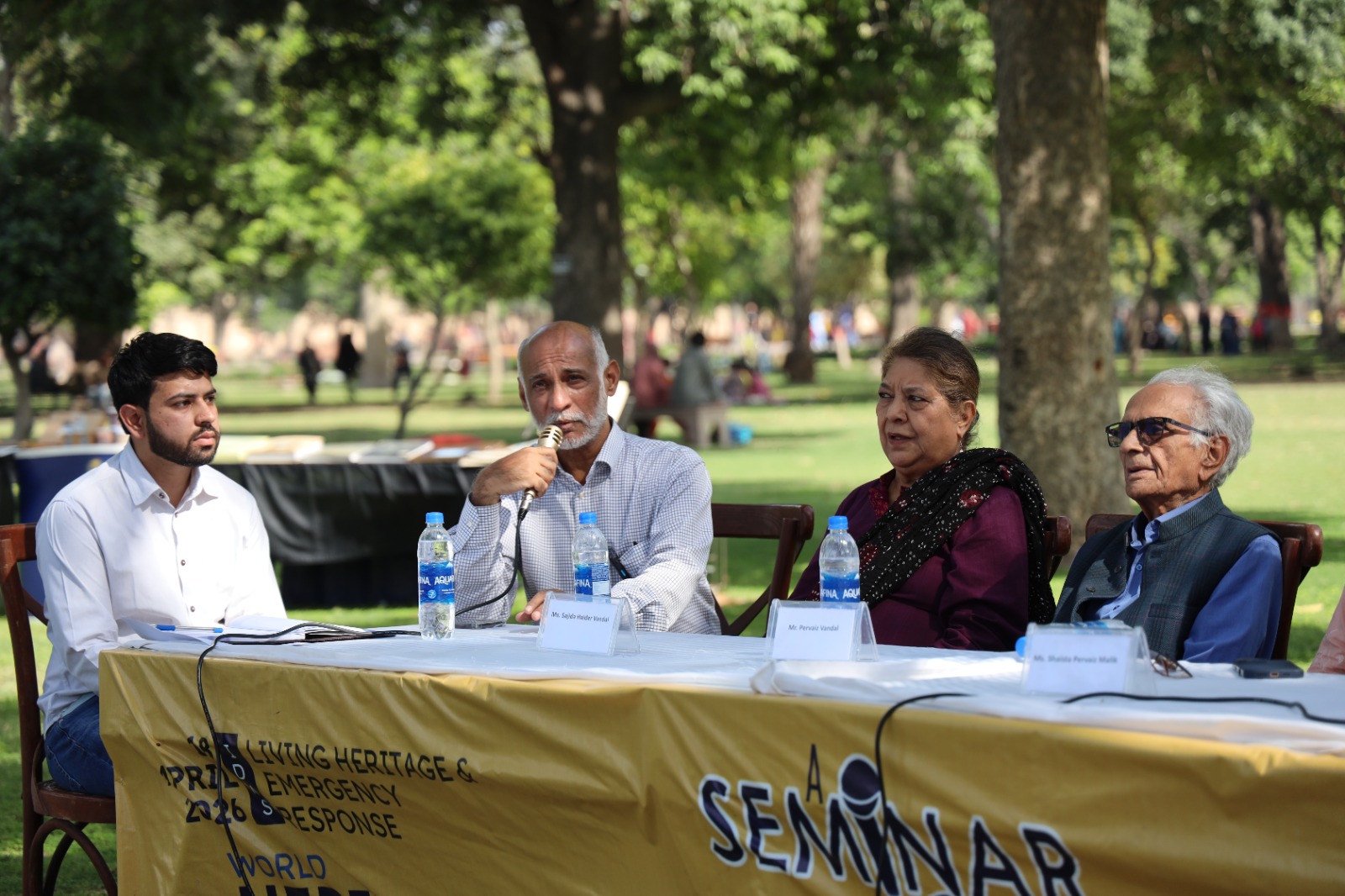
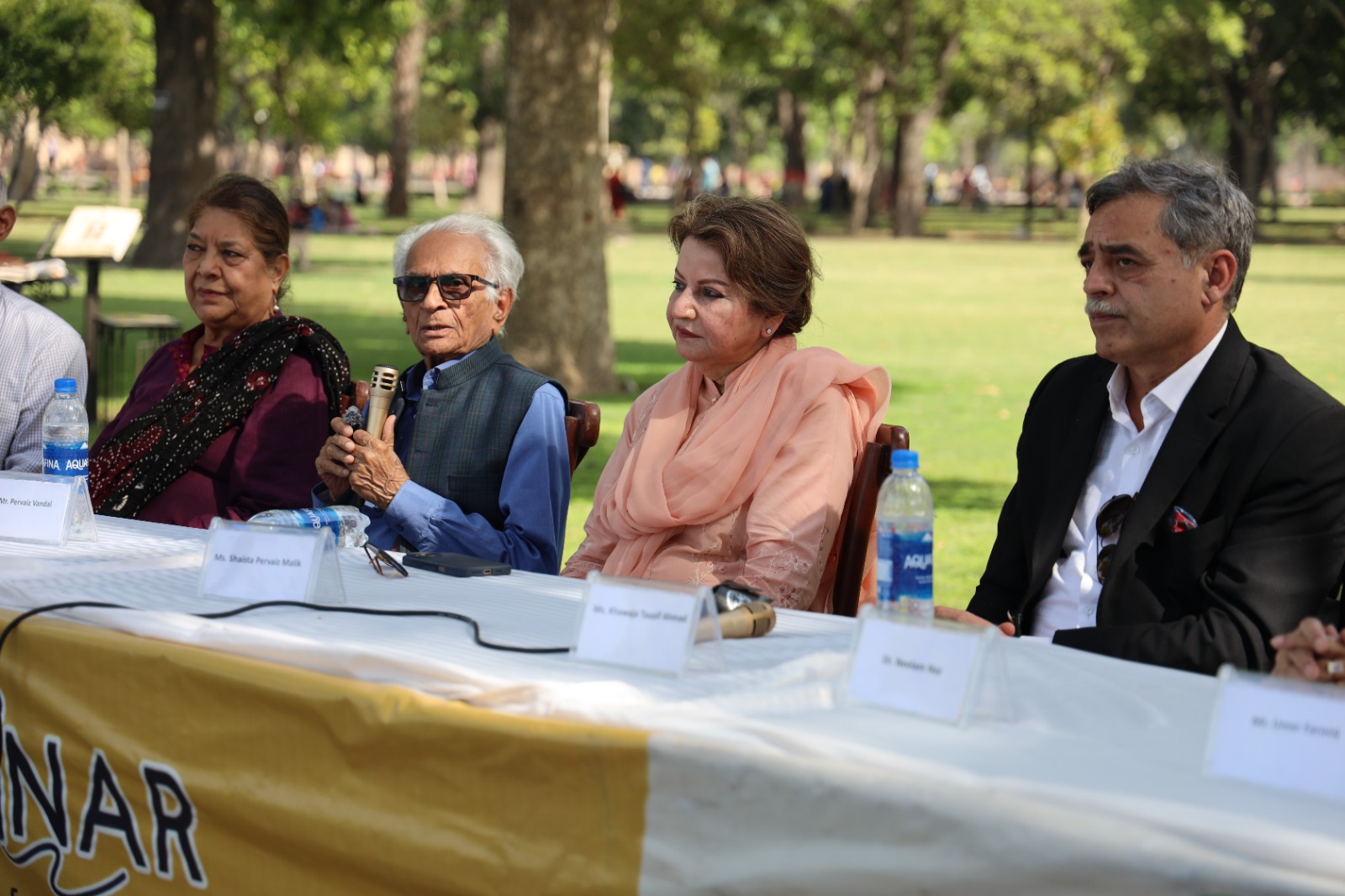
Conversations focused on the need to promote and preserve heritage sites to protect the country’s formidable culture and history, as well as new approaches to doing so.
Dr. Neelum Naaz suggested ways to increase public awareness to mainstream heritage conservation. She recommended introducing cultural heritage at the primary school level so that its importance becomes embedded in people’s consciousness. For sensitization at the grassroots level, she said that images of historical sites should be printed on stamps and matchboxes. CEO THAAP Sajida Vandal reiterated this idea: “We need to change the mindset of people, and present heritage in a language that everyone understands.”
BNU’s Head of Architecture Department, Muhammad Omar Farooq, shared his experience of working extensively with young people, noting that they have numerous recreational options. This pointed to the need for creative interventions to engage the youth. He therefore emphasized that appropriate techniques should be developed to promote awareness of cultural heritage among young people. In this context, DG WCLA Najumus Saqib said that social media is already playing a vital role in bringing Pakistan’s heritage spaces into the limelight and promoting a positive image of the country internationally.
Also speaking on the occasion, MNA Shaista Malik referred to traditional craft as a representation of our culture and identity. “It has a pertinent socio-economic aspect to it and is linked to tourism, and it must be integrated into policy,” she added. She underscored that craft thrived with artisans, and hence offering them lucrative opportunities and treating them with respect and dignity is imperative.
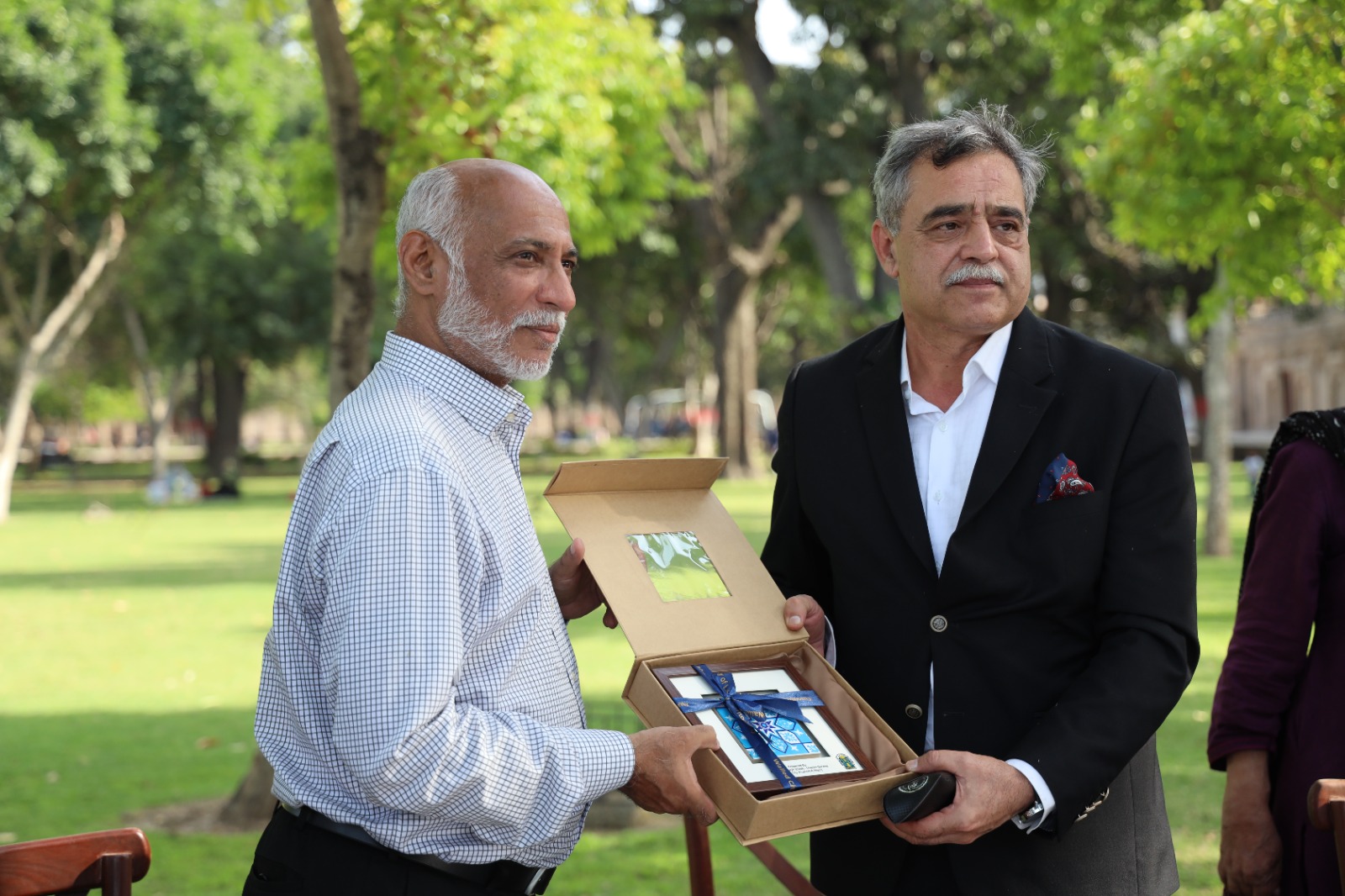
Reflecting on the importance of social mobilization as an integral aspect of heritage conservation, the DG WCLA shared that WCLA engages social mobilization teams in its projects since the end users of all projects are communities. He shared his experience of working overseas on heritage sites where community engagement was at the centre of all conservation work. “Communities were onboarded each time a project was launched, and regular meetings were held with them. Such was their significance that funding was not released without their approval,” he asserted.
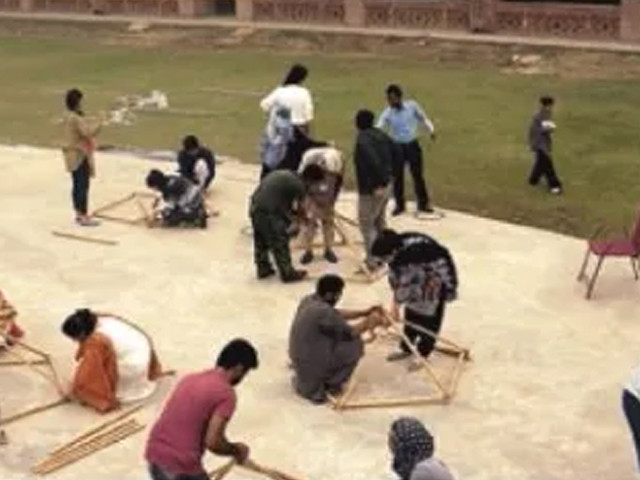
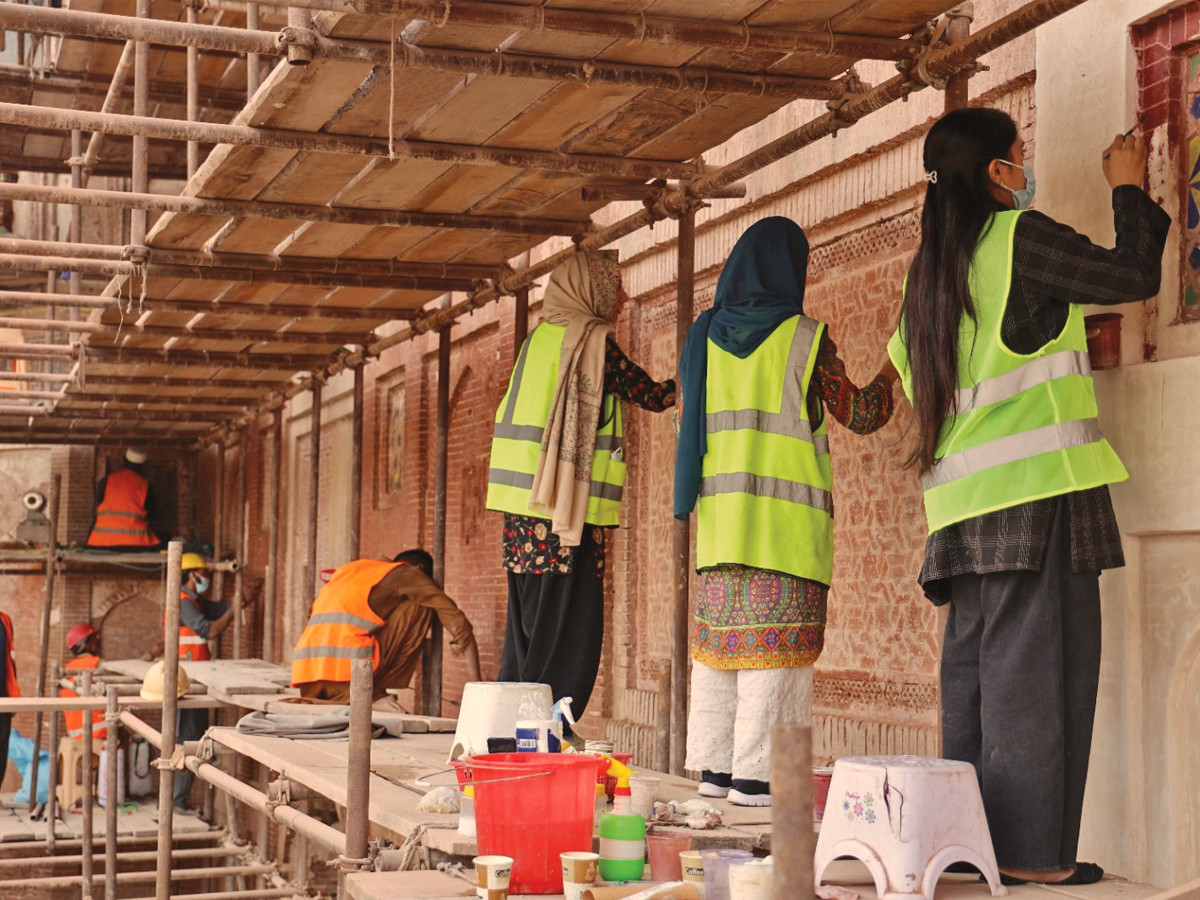
In a similar vein, CEO AKCS-P Tausif Khawaja echoed the words of Prince Karim Aga Khan IV, stating that historic monuments hold value only in connection with the communities they benefit. Therefore, the focus of heritage conservation must be community development and poverty alleviation. Appreciating the Walled City of Lahore Authority’s conservation efforts in Lahore, he made special mention of the Wazir Khan Mosque project—highlighting its engagement with local communities, particularly youth—and described it as ‘transformative’. A key component of the initiative was to build the technical skills of young professionals, offering them training opportunities related to surveying and computer science, among others. Many of the program’s graduates went on to pursue successful careers, such as a senior engineer currently working with AKCS-P.
He spoke of the strong public appetite for history and heritage, noting that many visitors to historic monuments are genuinely interested in exploring their cultural roots rather than merely having a family outing. “Around 6 million people visit the Lahore Fort every year,” he said. “We recently surveyed approximately 700 to 800 visitors over a three-month period to understand their reasons for visiting the site, and over 60% reported that their fascination with the Fort’s history motivated repeat visits.”
The event reaffirmed the need for institutional collaboration, innovative outreach strategies, educational reform, and community engagement to promote a sense of ownership of the country’s rich heritage, thereby contributing to its preservation.
0 Comments
No comments yet. Be the first to join the discussion!