US renews waiver for seaborne Russian oil purchases until May 16
The US has extended a waiver allowing seaborne purchases of Russian oil through May 16 as Washington seeks to ease pressure on global energy markets during the Iran conflict. The move drew criticism from US lawmakers and some Western allies.

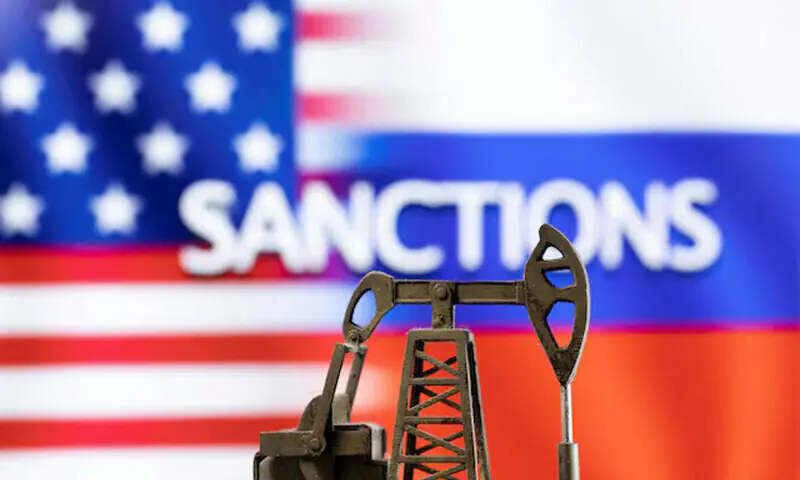
WASHINGTON: The United States has renewed a sanctions waiver allowing countries to buy Russian oil and petroleum products transported by sea for about another month, even after criticism from lawmakers who said Washington was being too lenient toward Moscow as the war in Ukraine continues.
According to the US Treasury Department, the renewed waiver covers purchases of Russian oil and petroleum products loaded on vessels as of Friday and remains in effect through May 16. It replaces an earlier 30-day waiver that expired on April 11. The exemption does not apply to transactions involving Iran, Cuba or North Korea.
The decision comes as the Trump administration seeks to contain global energy prices, which have risen sharply during the US-Israeli war with Iran. Countries in Asia affected by the energy shock had pressed Washington to allow alternative supplies to continue reaching markets.
A Treasury Department spokesperson said, As negotiations (with Iran) accelerate, Treasury wants to ensure oil is available to those who need it.
The move marked a reversal from comments made two days earlier by Treasury Secretary Scott Bessent, who had said the United States would not renew the waiver for Russian oil or another waiver covering Iranian oil that was due to expire on Sunday.
Energy market pressure
Global oil prices fell 9 per cent on Friday to around $90 a barrel after Iran temporarily reopened the Strait of Hormuz, a key oil transit route in the Gulf. Even so, the conflict has already caused what the International Energy Agency described as the worst global energy supply disruption in history.
The war entered its eighth week on Saturday. More than 80 oil and gas facilities in the Middle East have been damaged, while Tehran has warned it could again shut the strait if a recent US Navy blockade of Iranian ports continues.
High oil prices have also become a political concern for President Donald Trump’s Republican Party ahead of the November midterm elections. The administration has also faced pressure from partner countries over the impact of rising oil prices.
A US source said countries on the sidelines of Group of 20, World Bank and International Monetary Fund meetings in Washington this week had asked the United States to extend the waiver. Trump also discussed oil this week in a call with Indian Prime Minister Narendra Modi, whose country is a major buyer of Russian oil.
Bessent said last month that the Iranian oil waiver issued on March 20 had allowed about 140 million barrels of oil to reach global markets and had helped ease pressure on energy supplies.
Political criticism and market impact
Lawmakers from both major US parties criticised the sanctions waivers, saying they could support the economies of Iran, which is at war with the United States, and Russia, which remains at war with Ukraine.
Critics have argued that such waivers could undermine Western efforts to cut off Russian revenue linked to the Ukraine war and place Washington at odds with allies. European Commission President Ursula von der Leyen has said now is not the time to ease sanctions on Russia.
Russian President Vladimir Putin’s special envoy Kirill Dmitriev said the latest US extension would affect another 100 million barrels of Russian oil, bringing the total volume covered by both waivers to 200 million barrels. Dmitriev, who travelled to the United States on April 9 for meetings with members of the Trump administration before the previous waiver expired, said on his Telegram channel that the extension faced active political opposition.
Brett Erickson, a sanctions expert at consulting firm Obsidian Risk Advisors, said Friday’s decision was unlikely to be the last such step by Washington.
“The conflict has done lasting damage to global energy markets, and the tools available to stabilise them are nearly exhausted”, Erickson said.
Comments
No comments yet. Be the first to join the discussion!