Private schools may be withholding over Rs5bn by flouting scholarship quota, IHC told
The Islamabad High Court was told that private schools in the federal capital may be withholding Rs5bn-Rs6bn annually by failing to implement a mandatory 10pc scholarship quota. Peira said at least 38,900 students should be receiving free education under the law.

ISLAMABAD: Private schools in Islamabad have allegedly retained between Rs5 billion and Rs6 billion annually by failing to implement a mandatory 10 per cent scholarship quota, the Islamabad High Court was told during proceedings on private school fee structures.
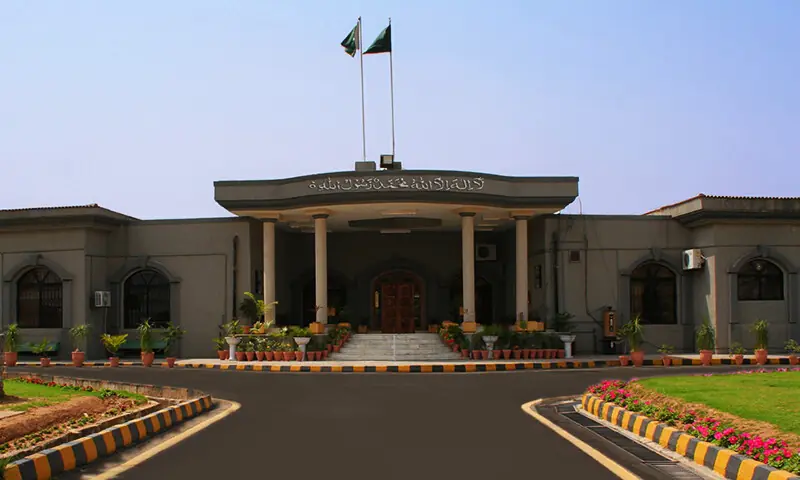
The issue came before Justice Raja Inaam Ameen Mihas during a writ petition hearing, where submissions from the Private Educational Institutions Regulatory Authority (Peira) indicated widespread non-compliance with provisions of the Right to Free and Compulsory Education Act, 2012.
According to documents placed on record, 1,571 registered private institutions are operating across five zones in the Islamabad Capital Territory, with a combined enrolment of around 389,000 students. Under the law, at least 38,900 of these students should be receiving free education under the 10 per cent quota reserved for high-performing students from low-income and disadvantaged backgrounds.
However, the court was informed that most institutions had not implemented the requirement. Legal experts, using average tuition costs in the capital, estimated the value of the unprovided subsidy at between Rs5bn and Rs6bn each year.
In its submission, Peira said it had initiated steps to enforce compliance. A circular issued on September 26, 2025 directed all schools to submit data on scholarship admissions for the 2025–26 academic session. Institutions were asked to provide detailed records by October 2.
The authority told the court that data collection and verification remained ongoing due to the scale of the sector. While some schools had submitted reports, many had yet to comply. Peira added that an internal monitoring committee had been formed to ensure that implementation of the quota was “not merely formal but substantive”.
It also said strict action was being considered against institutions found in violation of the Peira Act and the 2012 education law.
Proceedings took a turn when the petitioner withdrew the case after details of the alleged multi-billion-rupee shortfall became part of the court record. The withdrawal meant the case concluded without a final ruling or directive on recovery or enforcement.
The development has prompted debate among legal observers, some of whom argue that the absence of a court order could allow the status quo to persist and shield institutions from closer scrutiny.
Documents submitted in court also referenced the government’s “No Child Left Behind” initiative, which aims to enrol 25,000 out-of-school children. Observers noted that full enforcement of the existing 10 per cent quota alone could potentially accommodate a larger number of students than the programme’s target.
Although Peira has stated its commitment to enforcing the law, the lack of a conclusive judicial outcome leaves the implementation of the scholarship quota unresolved, with the alleged financial shortfall still unaddressed.
Comments
No comments yet. Be the first to join the discussion!